
Chiropractic Blog
Chiropractic Advice
Welcome to our Chiropractic Advice blog page, brought to you by One Spine Chiropractic Singapore, your trusted source for holistic wellness in Singapore. Led by a team of experienced chiropractors, our mission is to provide expert guidance and empower you on your journey to optimal health.
Explore the world of chiropractic care, as we delve into the benefits of spinal alignment and its profound impact on your well-being. Discover the latest trends, evidence-based insights, and practical tips curated by chiropractors in Singapore who are dedicated to enhancing your quality of life.
Whether you're seeking relief from discomfort, striving for improved posture, or simply aiming for a healthier lifestyle, our Chiropractors Advice blog is your comprehensive resource for making informed decisions and embracing a life in balance. Explore our articles and embark on a transformative path with One Spine Chiropractic Singapore by your side.

by Anthony Musung
•
16 October 2026
Lower back pain when waking up may result from stiffness, sleep position or an underlying condition. Learn the causes, relief tips and warning signs.
by Anthony Musung
•
12 October 2026
Have you ever sat at your desk for several hours and noticed that your lower back starts to ache, feel stiff or uncomfortable? You are not alone. Back discomfort after prolonged sitting is common, particularly among people who spend much of their day working at a computer, studying, driving or watching television. The problem is not always simply that you are "sitting incorrectly." Staying in the same position for too long can place continuous demands on the muscles, joints and other structures involved in supporting your body. Even a relatively comfortable sitting position can become uncomfortable when maintained for hours without enough movement. Understanding why your back hurts after sitting for a long time can help you make practical changes to your daily routine and recognise when it may be worth getting your symptoms assessed. What Happens to Your Back When You Sit for a Long Time? Sitting may seem like a passive activity, but your body is still working to support your head, trunk and pelvis. When you sit for an extended period, some muscles may remain active for a long time while other parts of the body move very little. Your lower back and surrounding muscles may need to maintain your position continuously, especially when you lean forward towards a computer or phone. Over time, remaining in one position can contribute to: Muscle fatigue Stiffness Reduced movement Increased discomfort Tension around the lower back and hips The longer you remain still, the more noticeable these effects may become. This is why your back may feel fine when you first sit down but start hurting after several hours. Is Sitting Bad for Your Back? Sitting itself is not necessarily harmful. The bigger issue for many people is prolonged, uninterrupted sitting . Your body is designed to move. Changing positions, standing, walking and using different muscle groups throughout the day can reduce the amount of time your back spends under the same physical demands. For example, someone may sit for eight hours while working, drive home while sitting for another hour and then spend the evening on the sofa. Even if each individual sitting position feels comfortable, the total amount of time spent sitting can add up quickly. Instead of trying to find one "perfect" sitting posture that you can maintain all day, it is often more useful to focus on regular movement and changing positions . Why Does My Lower Back Hurt More Than the Upper Back? The lower back is responsible for helping support much of the upper body, which is one reason discomfort after prolonged sitting is often felt around the lower-back region. The position of your pelvis can also influence how your lower back feels. For instance, when you slide forward in your chair and lean backwards, or when you lean forward towards your screen for long periods, your body may adopt a position that feels increasingly uncomfortable over time. Your hips may also remain bent for hours while sitting, which can contribute to stiffness when you finally stand up and move around. This can explain why some people experience a combination of: Lower-back discomfort + hip stiffness + difficulty standing upright after sitting. How Your Sitting Position May Contribute There is no single sitting position that is correct for every person. However, certain habits can make prolonged sitting more uncomfortable. Leaning Forward If your monitor is too far away or too low, you may gradually lean forward to see the screen. You might not notice this at first, but after hours of working, your back and neck can begin to feel tired. Slouching When you slouch, your spine and surrounding muscles may be positioned differently compared with sitting upright. Slouching occasionally is not automatically a problem. The issue is spending a large portion of your day in the same position. Sitting at the Edge of the Chair Some people sit very far forward rather than using the backrest. This can make it harder to maintain a comfortable and supported position for long periods. Crossing Your Legs for Hours Crossing your legs from time to time is generally not unusual, but remaining in a twisted or asymmetrical position for long periods may make some people feel stiff or uncomfortable. The key message is not that one position is always bad. It is that staying in one position for too long can be the bigger issue . Your Desk Setup Can Make a Difference If you work at a desk every day, small changes to your workstation may help make prolonged periods of sitting more comfortable. Your screen should be positioned so that you do not have to constantly bend your neck or lean your upper body forward to view it. Your chair should allow you to sit comfortably with your feet supported and your body reasonably close to your desk. Your keyboard and mouse should also be positioned so that you do not have to repeatedly reach forward. However, even an excellent workstation does not eliminate the need to move. A well-designed chair can make sitting more comfortable, but it does not turn eight hours of uninterrupted sitting into eight hours of healthy movement. Take Regular Movement Breaks One of the simplest things you can do is avoid sitting continuously for long periods. You do not necessarily need a complicated exercise programme every time you leave your chair. You can simply: Stand up Walk around the office Get a drink of water Stretch gently Change your sitting position Walk during a phone call Take the stairs when practical These small movements break up long periods of inactivity. For people working at a computer, setting a reminder to stand or move periodically can make this easier to remember. Why Does My Back Hurt When I Stand Up After Sitting? Some people notice that their back feels particularly stiff when they first stand. This can happen because your body has remained in a relatively fixed position for an extended period. Once you stand, the muscles and joints have to transition into a different position and begin moving again. You may notice: Stiffness in the lower back Tightness around the hips Difficulty standing completely upright immediately A few uncomfortable steps before things loosen up If the stiffness disappears quickly after moving around, it may simply be associated with prolonged inactivity. However, recurring or worsening symptoms should not automatically be dismissed as "just sitting." What Can You Do at Home? If prolonged sitting is making your back uncomfortable, start with simple changes. 1. Change Position Regularly Avoid staying in exactly the same position for hours at a time. 2. Walk More During the Day Short walks can help break up long periods of sitting. 3. Check Your Workstation Look at your chair, desk, monitor, keyboard and mouse placement. 4. Avoid Working From the Same Position All Day A combination of sitting, standing and walking can be more practical than trying to maintain one posture continuously. 5. Pay Attention to Your Symptoms Notice when your discomfort appears. Does it happen after 30 minutes, two hours or only at the end of the workday? Does standing make it better? Does walking help? Does the pain occur every day? These details can be useful when discussing your symptoms with a healthcare professional. When Should You Get Your Back Pain Checked? Not every episode of back discomfort means there is a serious problem. However, persistent or recurring symptoms deserve attention, particularly when they begin affecting your normal activities. Consider getting your symptoms professionally assessed if your back pain: Keeps coming back Does not improve with reasonable changes to your routine Interferes with work, exercise or sleep Is becoming more severe Started after an injury Is accompanied by numbness, tingling or weakness Seek urgent medical attention for severe or unusual symptoms such as significant weakness, loss of bladder or bowel control, numbness around the groin or symptoms associated with serious injury or illness. A professional assessment can help determine whether your symptoms may be related to mechanical, muscular, joint or other factors and whether further medical evaluation is appropriate. Sitting Less Does Not Mean You Have to Stop Working at a Desk For many people, sitting is unavoidable. Office workers need to use computers, students need to study, and drivers need to spend time behind the wheel. The goal is therefore not necessarily to eliminate sitting completely. Instead, think about creating more movement throughout your day . Rather than sitting continuously for several hours and only moving when work ends, build small periods of movement into your routine. Stand while taking a phone call. Walk to speak to a colleague instead of sending a message when practical. Take a short walk during a break. Change your position regularly. These habits may seem insignificant, but they can make your day less physically repetitive. Why Does My Back Keep Hurting Even After I Change My Chair? A new chair may help, but it may not address every factor contributing to your symptoms. Your daily routine, physical activity, movement patterns, previous injuries, sleep habits and the amount of time you spend sitting can all be relevant. This is why changing one piece of equipment does not necessarily solve recurring back discomfort. If the problem continues despite changes to your workstation and routine, a proper assessment can provide a more personalised understanding of what may be contributing to your symptoms. Final Thoughts Back pain after sitting for a long time can be frustrating, especially when your work or lifestyle requires many hours at a desk. In many cases, the issue is not simply whether you are sitting "right" or "wrong." Prolonged, uninterrupted sitting can leave the body in a relatively fixed position for too long, contributing to stiffness, muscle fatigue and discomfort. Start with practical changes: move regularly, vary your positions, review your workstation and pay attention to when your symptoms occur. When back discomfort becomes persistent, recurring or disruptive to your daily life, it is worth having the problem assessed rather than repeatedly working around it. Looking for Professional Help for Back Pain in Singapore? At One Spine , we provide chiropractic care for people dealing with back, neck and other musculoskeletal concerns. We take the time to understand your symptoms, lifestyle and physical condition before recommending an appropriate approach to care. If your back regularly hurts after long periods of sitting, One Spine can assess your condition and help you better understand what may be contributing to your discomfort. Contact One Spine to arrange a consultation at one of our Singapore clinics.

by Anthony Musung
•
3 July 2026
Learn why pregnancy back pain is so common, its causes, symptoms and safe treatment options. Discover how chiropractic care may help relieve discomfort.

by Anthony Musung
•
26 June 2026
Children and adults experience scoliosis differently. Learn the signs, causes, progression, and how One Spine Chiropractic Singapore supports spinal health.

by Anthony Musung
•
19 June 2026
Discover how poor posture may contribute to headaches among working adults in Singapore. Learn the link between forward head posture, neck strain, and chronic headaches, and explore practical strategies and chiropractic care options for relief and prevention.

by Anthony Musung
•
10 June 2026
Many adults in Singapore discover scoliosis years too late. Learn the warning signs, causes, and how early assessment may support long-term spinal health.

by Anthony Musung
•
5 June 2026
Chronic neck pain is increasingly common in Singapore’s office workers. Explore the causes, symptoms, and how posture, ergonomics, and lifestyle changes can help prevent long-term strain.
by Anthony Mu Sung
•
17 February 2026
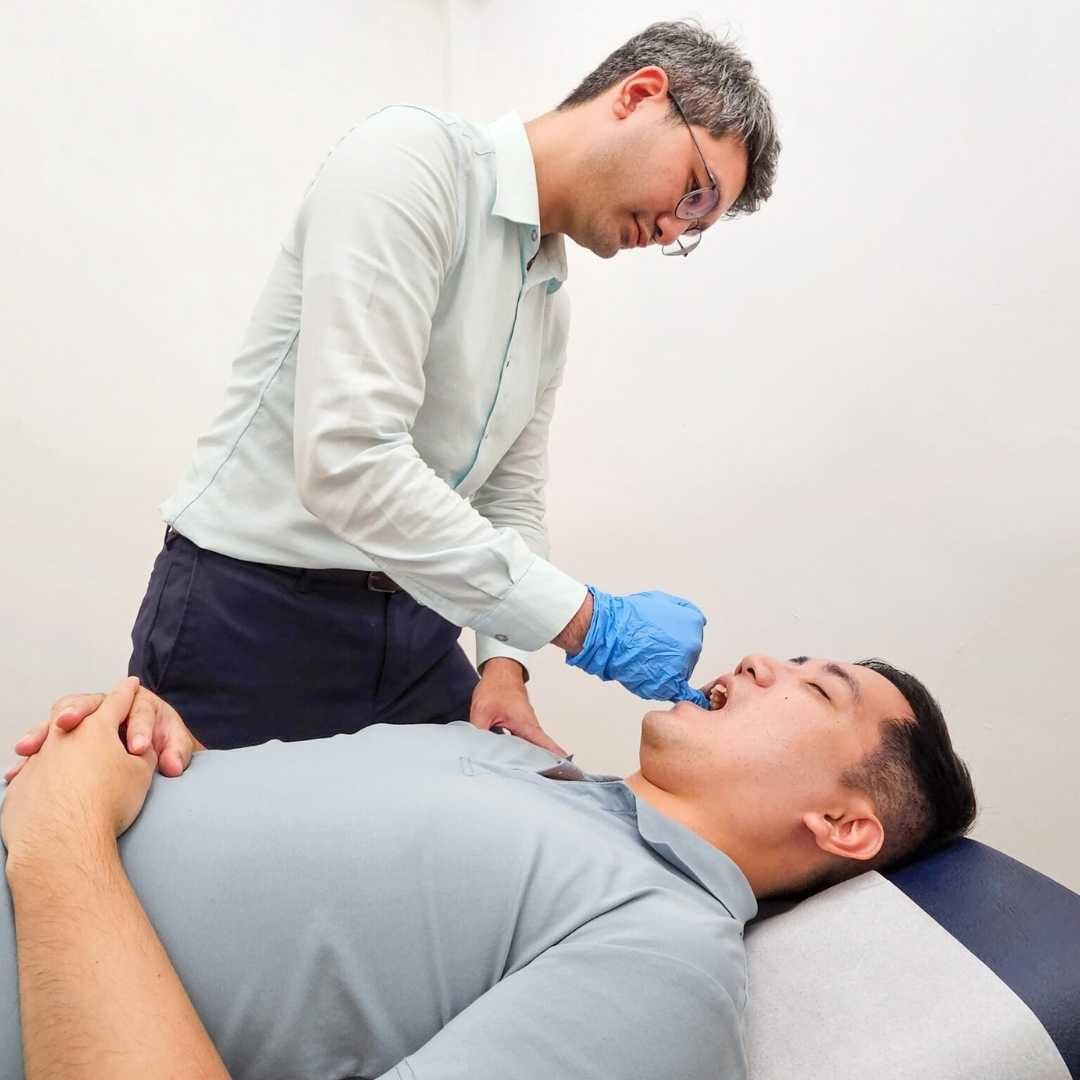
Learn how chiropractors in Singapore assess and support TMJ disorder (TMD), jaw pain, headaches, and neck tension. Discover evidence-based, conservative care options and when to seek dental or medical evaluation.

by Anthony Mu Sung
•
21 January 2026
Growth spurts are an exciting milestone in a child’s development, but they are also a period when the spine is under heightened physical stress . During rapid growth, children and teenagers in Singapore are more vulnerable to back pain, posture changes, and scoliosis progression , especially during school years when sitting time, screen use, and school bag loads are high. Research shows that rapid growth itself is a higher risk factor for spinal discomfort, even in healthy children . Understanding what happens to the spine during growth spurts allows parents in Singapore to spot early warning signs and protect long-term spinal health . What Is a Growth Spurt and Why Does It Affect the Spine? A growth spurt is a short period of rapid height increase , most commonly between ages 10 and 16 , coinciding with puberty. During this phase: Bones lengthen quickly Muscles and ligaments adapt to new loads Intervertebral discs experience changing mechanical stress Body’s centre of gravity shifts Longitudinal studies show that adolescents who grow faster than their peers, especially during puberty, have a higher risk of developing spinal pain , particularly in their mid and lower back. This confirms that growth itself places additional strain on the spine. Common Spinal Issues During Growth Spurts 1. Back and Neck Pain in Growing Children Back and neck pain are increasingly reported in children in Singapore aged 6 to 18, with puberty identified as a critical onset period . Pain often affects the lower back, mid-back, or neck and may worsen with: Prolonged sitting and screen use Rapid height changes Weak core and postural muscles Heavy or poorly fitted school bags Sports without adequate recovery Public health data confirms that spinal pain in youth is no longer rare and often begins during adolescence rather than adulthood . 2. Posture Changes During Growth Spurts (Tech Neck) Also, during rapid growth, many teenagers develop: Forward-head posture Rounded shoulders Slouching when seated When growth spurts combine with prolonged screen use, the neck and upper back are placed under sustained strain. While bad posture alone does not cause scoliosis , it can increase pain, fatigue, and muscular imbalance in developing teenagers' spines. 3. Scoliosis and Curve Progression During Puberty Adolescent idiopathic scoliosis (AIS) most commonly appears between ages 10 and 18 , aligning closely with peak growth velocity. Research shows that: Rapid growth significantly increases the risk of curve progression Up to 50% of adolescents with scoliosis may experience worsening during growth spurts Risk is highest before skeletal maturity This is why monitoring height changes, posture, and spinal symmetry during puberty is strongly recommended by chiropractors in Singapore. Warning Signs Parents Should Watch For Parents in Singapore should seek professional assessment if their child experiences: Persistent back or neck pain lasting more than a few weeks Pain that worsens with activity or disrupts sleep Uneven shoulders or hips, or a rib hump when bending forward Frequent headaches linked to posture or screen time Reduced participation in sports or physical activity Chiropractic and physiotherapy clinics in Singapore commonly report these patterns in children during growth spurts, especially when school bag loads and sitting time are high. How Chiropractic Care Supports Spinal Health During Growth Spurts Chiropractic care does not alter growth, but it helps the spine adapt more comfortably and safely to rapid physical changes. 1. Posture and Spinal Monitoring Chiropractors in Singapore assess: Posture and spinal alignment Movement patterns and muscle balance Changes over time using posture photos and functional tests This is particularly important for adolescents with pain, posture concerns, or scoliosis risk. 2. Gentle Adjustments and Joint Mobility When appropriate, gentle manual therapy may help: Improve spinal and joint mobility Reduce muscle tension Relieve mechanical stress on growing joints Paediatric and adolescent spine research from research papers supports the careful use of conservative manual therapy to reduce pain and improve function when clinically indicated. 3. Exercise, Strengthening, and Movement Guidance Evidence consistently shows that moderate, regular physical activity protects against back pain in adolescents. Chiropractors in Singapore often recommend: Core and hip strengthening Postural correction exercises Sport-specific advice during rapid growth phases This helps the spine cope better with sudden height and weight changes. Practical Tips for Parents in Singapore To protect your child’s spine during growth spurts: Encourage daily movement: Walking, swimming, cycling, and light strength work are ideal Limit prolonged sitting: Take posture breaks every 30–45 minutes Manage school bag weight: Keep bags within 10–15% of body weight and ensure ergonomic fit Promote good sleep posture: Use an age-appropriate pillow and avoid extreme twisting Schedule regular spinal checks: Especially between ages 10–16, during rapid height changes, or with a family history of scoliosis School bag weight and poor ergonomics are frequently cited contributors to spinal strain during growth spurts in Singaporean children. When to Seek Professional Help Consult a chiropractor, paediatrician, or spine specialist if: Pain is persistent, severe, or worsening Visible spinal asymmetry Family history of scoliosis Your child’s posture or activity level changes significantly Early assessment allows conservative strategies (i.e. posture correction, exercise, monitoring, or referral for bracing or specialist care), to be implemented at the most effective time. Supporting Healthy Growth, Safely Growth spurts place unique demands on a child’s spine. With awareness, early monitoring, and appropriate support, most spinal issues during adolescence can be managed conservatively and effectively . By understanding how growth affects spinal health and addressing posture, movement, school bag habits, and early symptoms, parents in Singapore can help their children grow taller, stronger, and more comfortable, with healthier posture into adulthood. Discover the natural benefits of chiropractic care in Singapore today, and give your child the foundation for lifelong wellness. Book your appointment with our team of experienced chiropractors at One Spine Chiropractic Singapore today: https://clinic.platomedical.com/book/b25lY2hpcm8=/ec3986fdbb7f42129bb8d835822ea7c6

by Anthony Mu Sung
•
9 January 2026
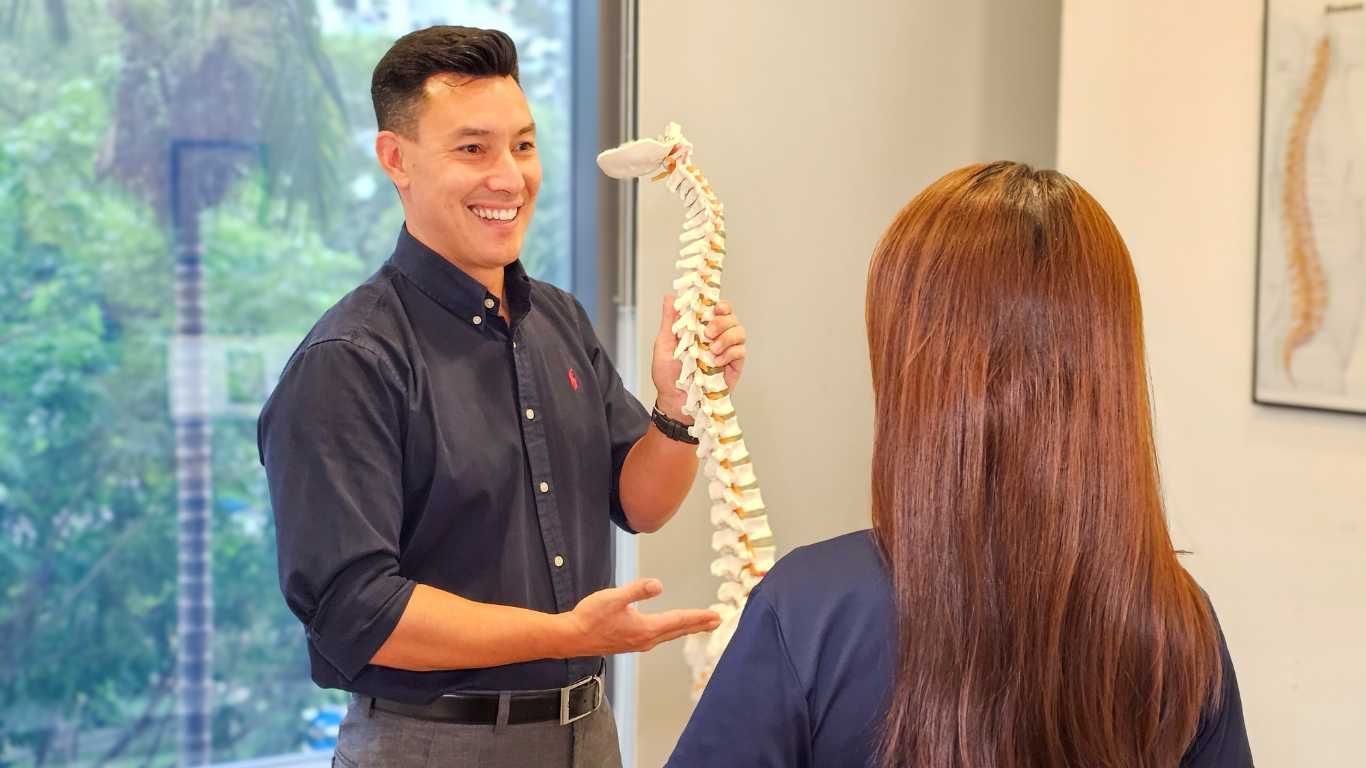
Carrying heavy school bags is one of the most common contributors to back and shoulder discomfort among children in Singapore. With long school days, full timetables, and daily commutes, kids often carry more than their growing spines can comfortably handle. Over time, this can lead to pain, rounded posture, and strain on developing spinal joints . Why School Bags Matter for Your Child’s Posture and Spinal Health Both research and local clinical data show a clear link between heavy school bags and: Neck and shoulder pain Mid and lower-back pain Fatigue and rounded shoulders Increased stress on spinal discs and joints Health professionals in Singapore commonly suggest that students should carry no more than 10–15% of their body weight . For example, a child weighing 25 kg should generally keep their bag within 2.5–3.5 kg. When this limit is exceeded, children often lean forward or sideways to compensate, a habit that can contribute to posture changes over time . How Heavy Is Too Heavy? A Quick At-Home Method A simple, accurate way to check: Weigh your child. Weigh again with the school bag. Ensure the bag falls within 10–15% of their body weight . This guideline is widely supported by Singaporean schools, chiropractors and ergonomic bag companies. If your child’s bag regularly exceeds this limit, consider lighter books, lockers, digital textbooks, or weight-reduction strategies. Parents who search “best ergonomic school bag Singapore” are essentially asking: which bag best protects my child’s spine? Our experienced chiropractors in Singapore, as well as ergonomic experts, typically recommend evaluating these four features: 1. Choose the Right Size and Fit A good bag should: Match your child’s height (not wider than the torso) Sit from shoulders to the top of the pelvis Oversized bags can increase shoulder pull, neck strain, and slouching. 2. Look for Wide, Padded Shoulder Straps They help distribute pressure and reduce discomfort. Adjustable straps ensure the load stays close to the spine . Narrow straps can dig into the shoulders and contribute to muscle tension. 3. Opt for Chest and Waist Straps These straps help distribute the load evenly across the body and keep the bag secure during walking or commuting. They are particularly helpful for kids who walk long distances or carry heavier items. 4. Opt for Chest and Waist Straps A firm, padded back panel prevents objects from poking into the spine and keeps the weight closer to the body. Multiple compartments can help distribute items evenly and maintain balance. How to Pack a School Bag Correctly 1. Place Heavy Items Closest to the Spine This reduces the pulling force on the shoulders and back. 2. Balance Left and Right Avoid one-sided loading that causes the bag to tilt. 3. D eclutter Weekly Many s chools encourage regular bag checks as extra items can add unnecessary strain. 4. Always Use Both Straps One-strap carrying creates muscle imbalance and spinal rotation. Correct Carrying Technique: What Chiropractors Teach Kids Chiropractors and schools in Singapore usually recommend these techniques: Adjust straps so the bag stays close to the body Use chest/waist straps if available Stand tall and avoid leaning forward excessively For lifting: Place the bag on a table before wearing it If lifting from the floor, bend the knees, keep the bag close, and avoid twisting Warning Signs Parents Should Not Ignore You may want to consult a professional if your child shows: Recurring neck, shoulder or back pain Red marks or deep shoulder grooves Noticeable slouching or leaning Headaches after school Difficulty carrying the bag without support Here at One Spine Chiropractic Singapore , we often see such symptoms in children who are carrying loads beyond safe limits. How Chiropractors in Singapore Help Protect Children’s Spinal Health A paediatric-trained chiropractor can: Assess posture, spine alignment and mobility Review school bag fit and load Recommend ergonomic adjustments Provide age-appropriate strengthening exercises Monitor spinal health during growth spurts Combining an ergonomic bag, smart packing habits and periodic spinal checks is one of the most reliable ways to support your child’s posture long-term. For a customised ergonomic assessment or posture check for your child, book a consultation with our experienced team of chiropractors at One Spine Chiropractic Singapore today: https://clinic.platomedical.com/book/b25lY2hpcm8=/ec3986fdbb7f42129bb8d835822ea7c6
by Anthony Mu Sung
•
30 December 2025
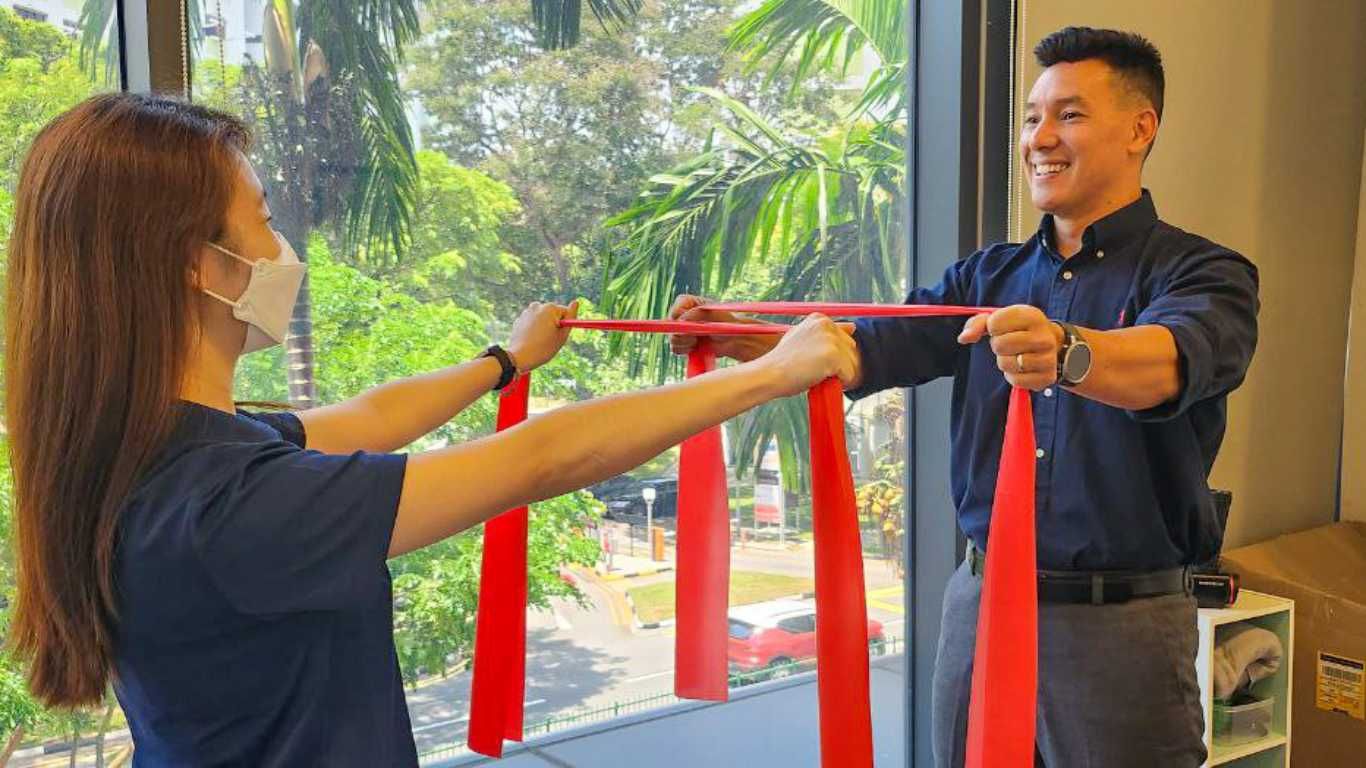
Simple, chiropractor-approved spine exercises to reduce back and neck pain, improve posture, and support chiropractic care. Trusted Singapore chiropractic clinic.
by Anthony Mu Sung
•
8 December 2025
Learn how chiropractors in Singapore track progress using tests, scans, posture assessments, and evidence-based tools.

by Anthony Mu Sung
•
30 November 2025
Improve your sleep naturally. Learn how chiropractic care in Singapore helps with insomnia, chronic pain, stress, and sleep regulation.

by Anthony Mu Sung
•
18 November 2025
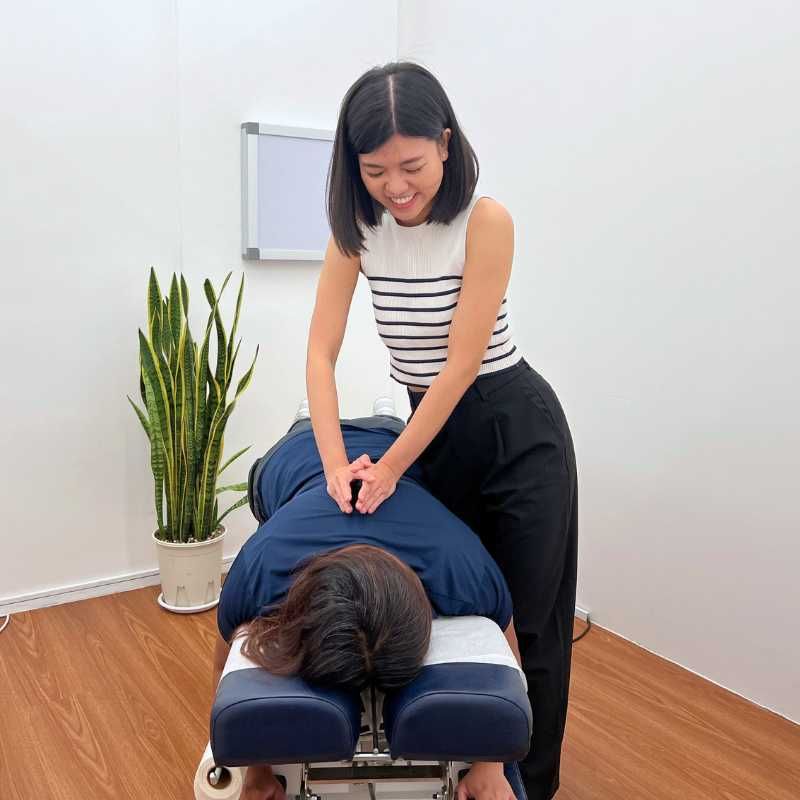
Discover how chiropractic care supports students in Singapore, from posture correction and exam stress relief to better sleep and injury prevention.
by Anthony Mu Sung
•
3 November 2025
Discover whether regular chiropractic care can prevent pain and improve wellness. Learn what research says about maintenance from One Spine Chiropractic Singapore.

by Anthony Mu Sung
•
29 October 2025
Discover how healthy habits and proper nutrition enhance chiropractic results. Learn holistic ways to support spinal health and long-term wellness in Singapore.

by Anthony Mu Sung
•
23 October 2025
Discover gentle and effective chiropractic care for kids and teens in Singapore. Our experienced family chiropractors help support better posture and healthy growth.

by Anthony Mu Sung
•
20 October 2025
Discover gentle chiropractic care that helps seniors move freely, reduce pain, and improve balance, naturally and safely in Singapore.
by Anthony Mu Sung
•
3 October 2025
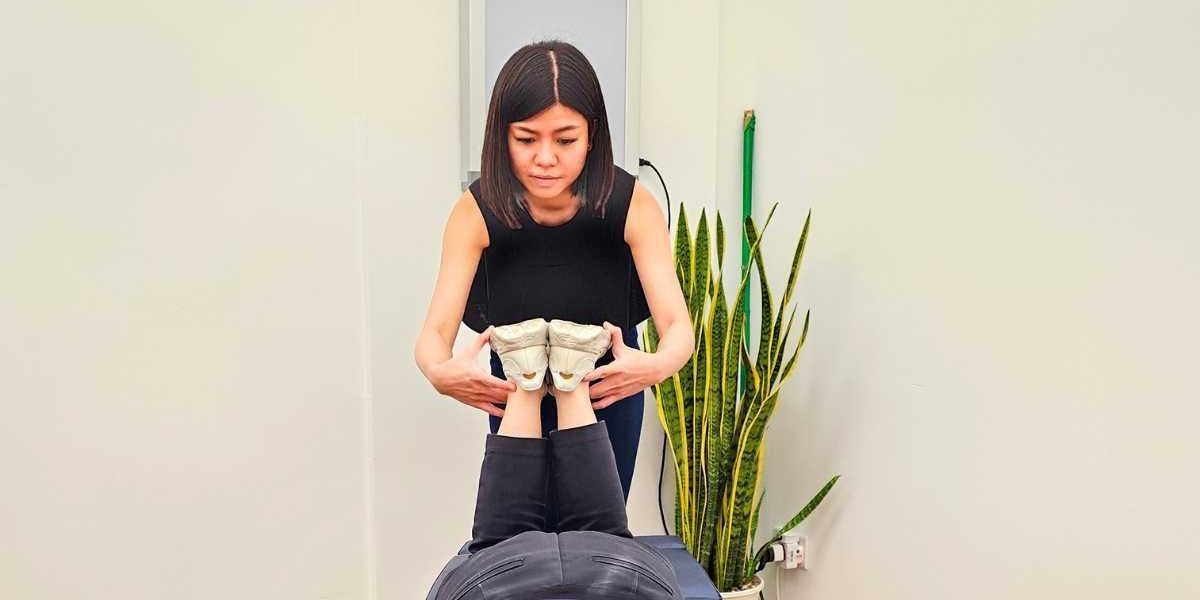
Struggling with neck pain or poor posture? Learn how to restore your cervical curve naturally through chiropractic care with our chiropractors in Singapore.
by Anthony Mu Sung
•
27 September 2025
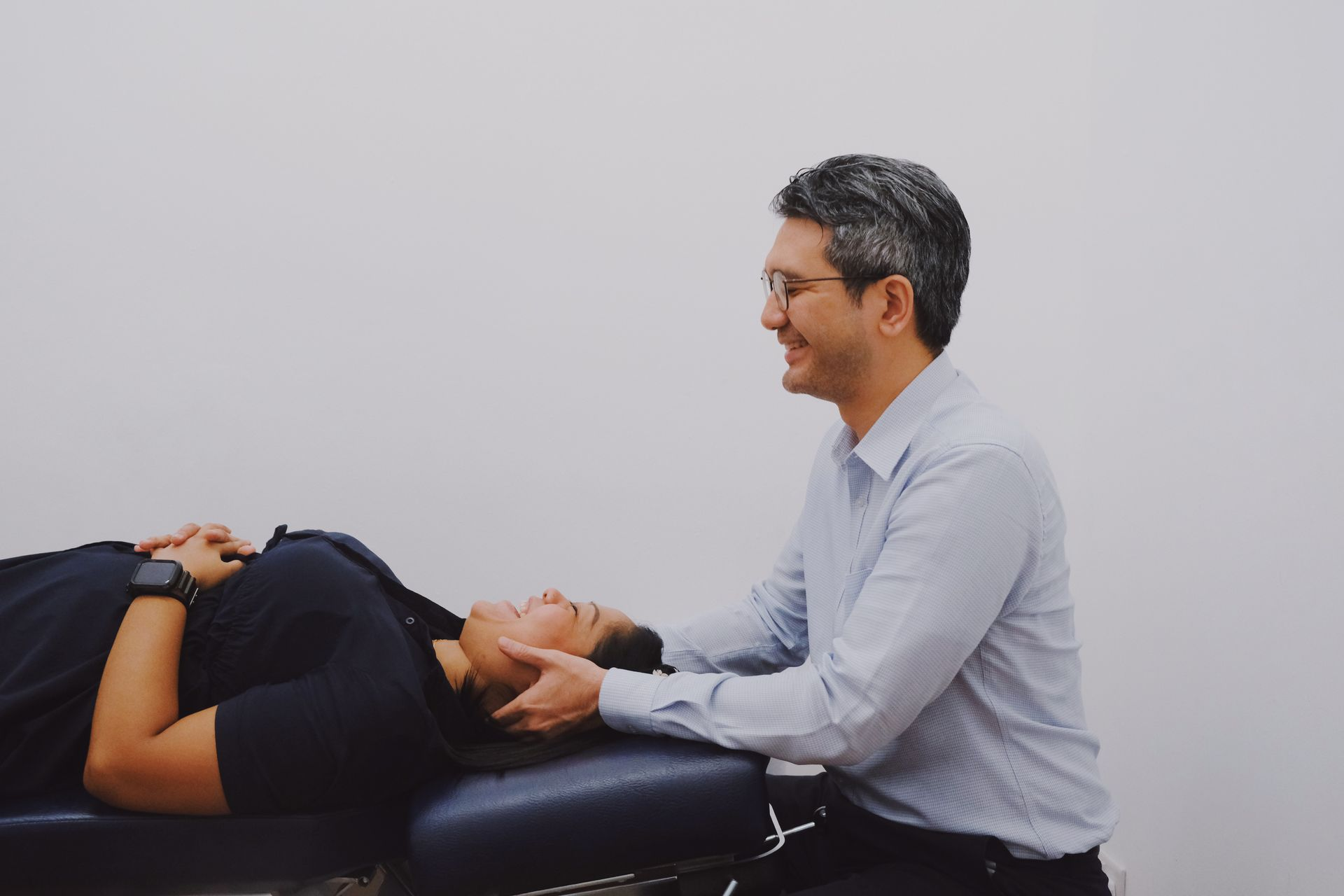
How often you should visit a chiropractor? Learn the typical chiropractic visit frequency and tailored care plans at One Spine Chiropractic Singapore.
by Anthony Mu Sung
•
25 September 2025
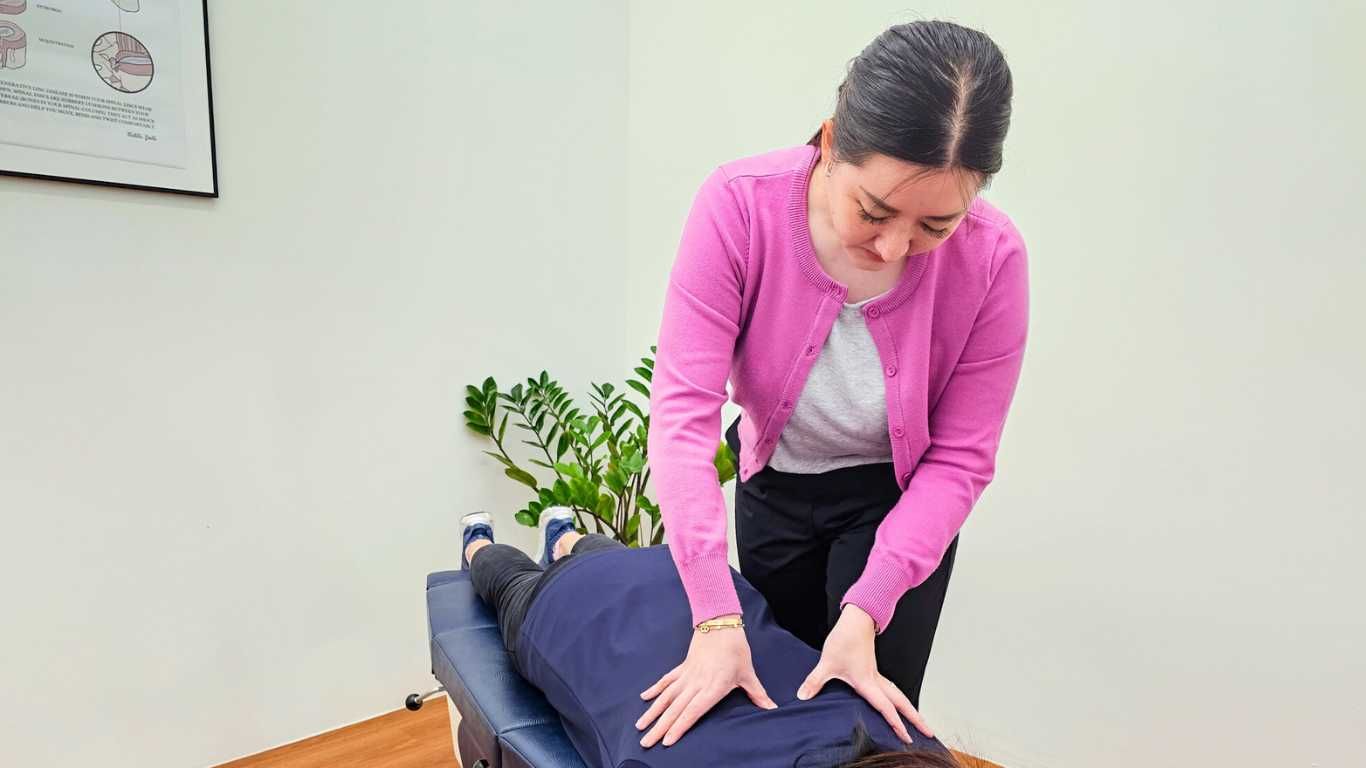
Looking for a female chiropractor in Singapore? Our ICPA Webster certified chiropractors provide expert prenatal, postpartum, and women’s health chiropractic care.
by Dan Tjahjadi
•
20 September 2025
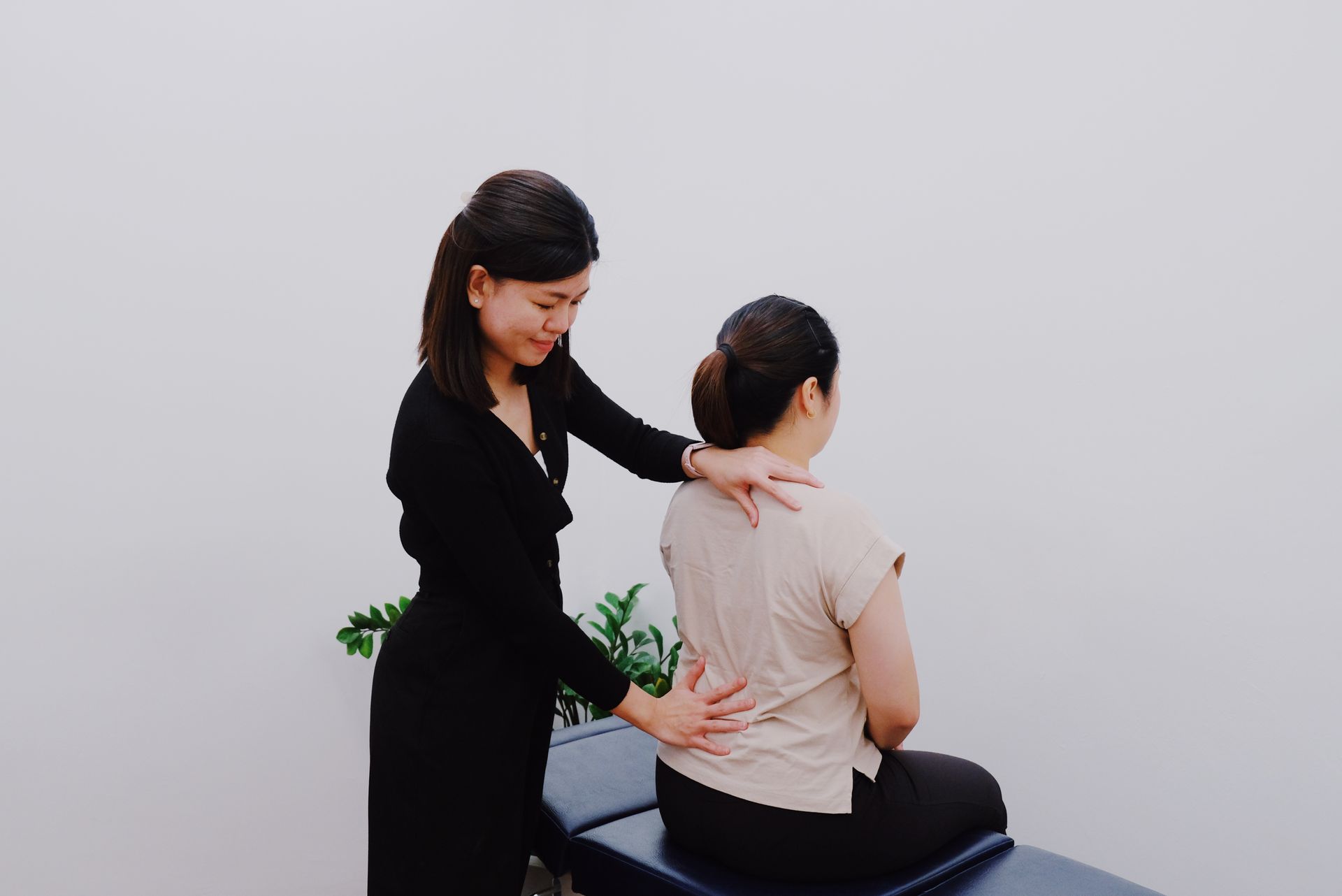
Chiropractic sessions in Singapore range from $80–200. At One Spine, treatments start from just SGD 80. Discover factors that affect costs and why value matters more than price.
by Dan Tjahjadi
•
18 September 2025
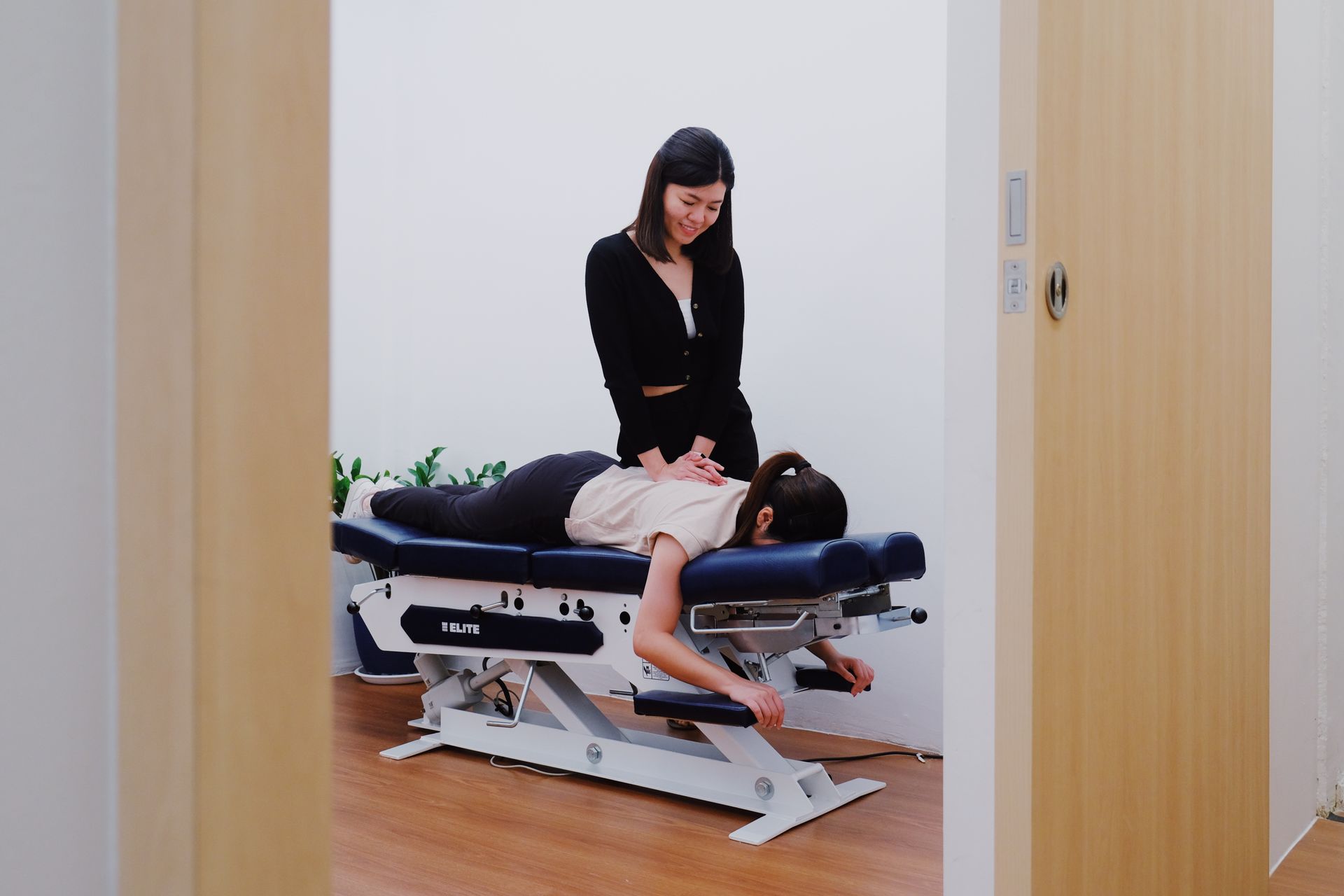
Looking for a chiropractor in Bedok or the east of Singapore? Get safe, effective care for back pain, slipped discs & posture issues at One Spine Chiropractic.

by Anthony Mu Sung
•
13 September 2025
Discover why combining chiropractic care with exercise in Singapore helps you recover faster, prevent injuries, and stay pain-free. Book your appointment today.

by Anthony Mu Sung
•
2 September 2025
Struggling with slipped disc in Singapore? Our chiropractors at One Spine Chiropractic outline treatment options and how to find lasting relief.

by Anthony Mu Sung
•
27 August 2025
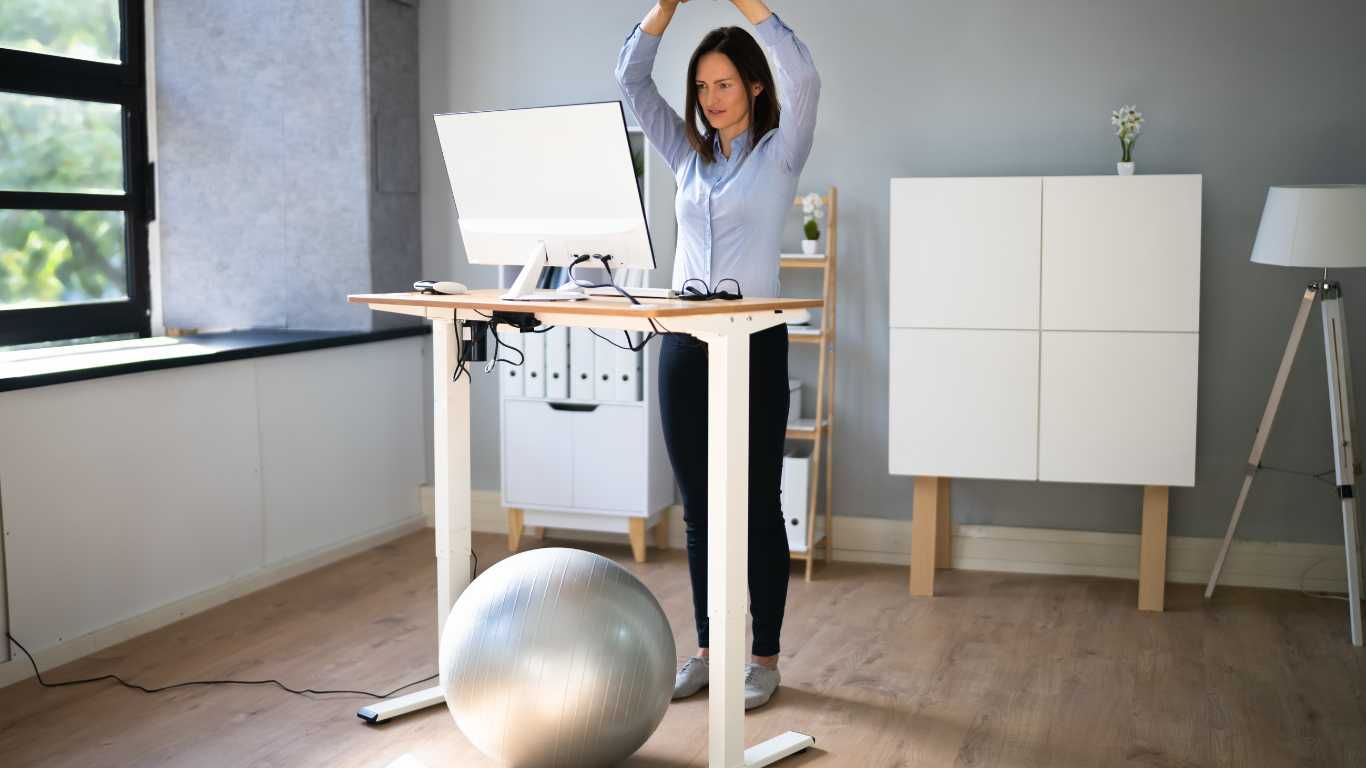
Chiropractic adjustments can help pregnant women restore pelvic balance and spinal alignment, supporting both comfort and their body’s ability to adapt to pregnancy.
by Anthony Mu Sung
•
17 August 2025
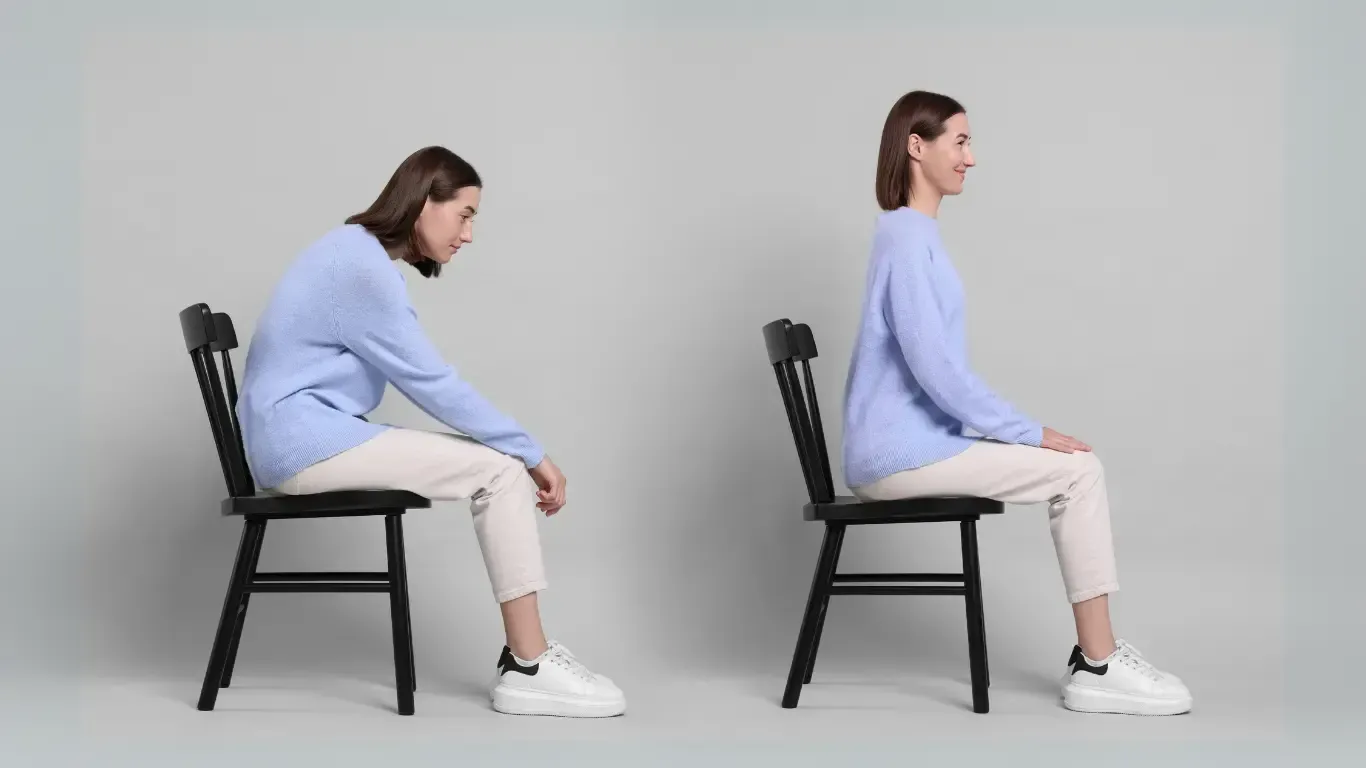
Poor posture is common in Singapore due to desk jobs and phone use. Find out the daily habits behind back pain and how chiropractic care can help.
by Anthony Mu Sung
•
12 August 2025
Struggling with hunchback posture? Find out what causes it, why it’s harmful, and how chiropractic treatment in Singapore can restore alignment.
by Anthony Musung
•
16 October 2026
Lower back pain when waking up may result from stiffness, sleep position or an underlying condition. Learn the causes, relief tips and warning signs.
by Anthony Musung
•
12 October 2026
Have you ever sat at your desk for several hours and noticed that your lower back starts to ache, feel stiff or uncomfortable? You are not alone. Back discomfort after prolonged sitting is common, particularly among people who spend much of their day working at a computer, studying, driving or watching television. The problem is not always simply that you are "sitting incorrectly." Staying in the same position for too long can place continuous demands on the muscles, joints and other structures involved in supporting your body. Even a relatively comfortable sitting position can become uncomfortable when maintained for hours without enough movement. Understanding why your back hurts after sitting for a long time can help you make practical changes to your daily routine and recognise when it may be worth getting your symptoms assessed. What Happens to Your Back When You Sit for a Long Time? Sitting may seem like a passive activity, but your body is still working to support your head, trunk and pelvis. When you sit for an extended period, some muscles may remain active for a long time while other parts of the body move very little. Your lower back and surrounding muscles may need to maintain your position continuously, especially when you lean forward towards a computer or phone. Over time, remaining in one position can contribute to: Muscle fatigue Stiffness Reduced movement Increased discomfort Tension around the lower back and hips The longer you remain still, the more noticeable these effects may become. This is why your back may feel fine when you first sit down but start hurting after several hours. Is Sitting Bad for Your Back? Sitting itself is not necessarily harmful. The bigger issue for many people is prolonged, uninterrupted sitting . Your body is designed to move. Changing positions, standing, walking and using different muscle groups throughout the day can reduce the amount of time your back spends under the same physical demands. For example, someone may sit for eight hours while working, drive home while sitting for another hour and then spend the evening on the sofa. Even if each individual sitting position feels comfortable, the total amount of time spent sitting can add up quickly. Instead of trying to find one "perfect" sitting posture that you can maintain all day, it is often more useful to focus on regular movement and changing positions . Why Does My Lower Back Hurt More Than the Upper Back? The lower back is responsible for helping support much of the upper body, which is one reason discomfort after prolonged sitting is often felt around the lower-back region. The position of your pelvis can also influence how your lower back feels. For instance, when you slide forward in your chair and lean backwards, or when you lean forward towards your screen for long periods, your body may adopt a position that feels increasingly uncomfortable over time. Your hips may also remain bent for hours while sitting, which can contribute to stiffness when you finally stand up and move around. This can explain why some people experience a combination of: Lower-back discomfort + hip stiffness + difficulty standing upright after sitting. How Your Sitting Position May Contribute There is no single sitting position that is correct for every person. However, certain habits can make prolonged sitting more uncomfortable. Leaning Forward If your monitor is too far away or too low, you may gradually lean forward to see the screen. You might not notice this at first, but after hours of working, your back and neck can begin to feel tired. Slouching When you slouch, your spine and surrounding muscles may be positioned differently compared with sitting upright. Slouching occasionally is not automatically a problem. The issue is spending a large portion of your day in the same position. Sitting at the Edge of the Chair Some people sit very far forward rather than using the backrest. This can make it harder to maintain a comfortable and supported position for long periods. Crossing Your Legs for Hours Crossing your legs from time to time is generally not unusual, but remaining in a twisted or asymmetrical position for long periods may make some people feel stiff or uncomfortable. The key message is not that one position is always bad. It is that staying in one position for too long can be the bigger issue . Your Desk Setup Can Make a Difference If you work at a desk every day, small changes to your workstation may help make prolonged periods of sitting more comfortable. Your screen should be positioned so that you do not have to constantly bend your neck or lean your upper body forward to view it. Your chair should allow you to sit comfortably with your feet supported and your body reasonably close to your desk. Your keyboard and mouse should also be positioned so that you do not have to repeatedly reach forward. However, even an excellent workstation does not eliminate the need to move. A well-designed chair can make sitting more comfortable, but it does not turn eight hours of uninterrupted sitting into eight hours of healthy movement. Take Regular Movement Breaks One of the simplest things you can do is avoid sitting continuously for long periods. You do not necessarily need a complicated exercise programme every time you leave your chair. You can simply: Stand up Walk around the office Get a drink of water Stretch gently Change your sitting position Walk during a phone call Take the stairs when practical These small movements break up long periods of inactivity. For people working at a computer, setting a reminder to stand or move periodically can make this easier to remember. Why Does My Back Hurt When I Stand Up After Sitting? Some people notice that their back feels particularly stiff when they first stand. This can happen because your body has remained in a relatively fixed position for an extended period. Once you stand, the muscles and joints have to transition into a different position and begin moving again. You may notice: Stiffness in the lower back Tightness around the hips Difficulty standing completely upright immediately A few uncomfortable steps before things loosen up If the stiffness disappears quickly after moving around, it may simply be associated with prolonged inactivity. However, recurring or worsening symptoms should not automatically be dismissed as "just sitting." What Can You Do at Home? If prolonged sitting is making your back uncomfortable, start with simple changes. 1. Change Position Regularly Avoid staying in exactly the same position for hours at a time. 2. Walk More During the Day Short walks can help break up long periods of sitting. 3. Check Your Workstation Look at your chair, desk, monitor, keyboard and mouse placement. 4. Avoid Working From the Same Position All Day A combination of sitting, standing and walking can be more practical than trying to maintain one posture continuously. 5. Pay Attention to Your Symptoms Notice when your discomfort appears. Does it happen after 30 minutes, two hours or only at the end of the workday? Does standing make it better? Does walking help? Does the pain occur every day? These details can be useful when discussing your symptoms with a healthcare professional. When Should You Get Your Back Pain Checked? Not every episode of back discomfort means there is a serious problem. However, persistent or recurring symptoms deserve attention, particularly when they begin affecting your normal activities. Consider getting your symptoms professionally assessed if your back pain: Keeps coming back Does not improve with reasonable changes to your routine Interferes with work, exercise or sleep Is becoming more severe Started after an injury Is accompanied by numbness, tingling or weakness Seek urgent medical attention for severe or unusual symptoms such as significant weakness, loss of bladder or bowel control, numbness around the groin or symptoms associated with serious injury or illness. A professional assessment can help determine whether your symptoms may be related to mechanical, muscular, joint or other factors and whether further medical evaluation is appropriate. Sitting Less Does Not Mean You Have to Stop Working at a Desk For many people, sitting is unavoidable. Office workers need to use computers, students need to study, and drivers need to spend time behind the wheel. The goal is therefore not necessarily to eliminate sitting completely. Instead, think about creating more movement throughout your day . Rather than sitting continuously for several hours and only moving when work ends, build small periods of movement into your routine. Stand while taking a phone call. Walk to speak to a colleague instead of sending a message when practical. Take a short walk during a break. Change your position regularly. These habits may seem insignificant, but they can make your day less physically repetitive. Why Does My Back Keep Hurting Even After I Change My Chair? A new chair may help, but it may not address every factor contributing to your symptoms. Your daily routine, physical activity, movement patterns, previous injuries, sleep habits and the amount of time you spend sitting can all be relevant. This is why changing one piece of equipment does not necessarily solve recurring back discomfort. If the problem continues despite changes to your workstation and routine, a proper assessment can provide a more personalised understanding of what may be contributing to your symptoms. Final Thoughts Back pain after sitting for a long time can be frustrating, especially when your work or lifestyle requires many hours at a desk. In many cases, the issue is not simply whether you are sitting "right" or "wrong." Prolonged, uninterrupted sitting can leave the body in a relatively fixed position for too long, contributing to stiffness, muscle fatigue and discomfort. Start with practical changes: move regularly, vary your positions, review your workstation and pay attention to when your symptoms occur. When back discomfort becomes persistent, recurring or disruptive to your daily life, it is worth having the problem assessed rather than repeatedly working around it. Looking for Professional Help for Back Pain in Singapore? At One Spine , we provide chiropractic care for people dealing with back, neck and other musculoskeletal concerns. We take the time to understand your symptoms, lifestyle and physical condition before recommending an appropriate approach to care. If your back regularly hurts after long periods of sitting, One Spine can assess your condition and help you better understand what may be contributing to your discomfort. Contact One Spine to arrange a consultation at one of our Singapore clinics.
by Anthony Musung
•
3 July 2026
Learn why pregnancy back pain is so common, its causes, symptoms and safe treatment options. Discover how chiropractic care may help relieve discomfort.
by Anthony Musung
•
26 June 2026
Children and adults experience scoliosis differently. Learn the signs, causes, progression, and how One Spine Chiropractic Singapore supports spinal health.
by Anthony Musung
•
19 June 2026
Discover how poor posture may contribute to headaches among working adults in Singapore. Learn the link between forward head posture, neck strain, and chronic headaches, and explore practical strategies and chiropractic care options for relief and prevention.
by Anthony Musung
•
10 June 2026
Many adults in Singapore discover scoliosis years too late. Learn the warning signs, causes, and how early assessment may support long-term spinal health.
by Anthony Musung
•
5 June 2026
Chronic neck pain is increasingly common in Singapore’s office workers. Explore the causes, symptoms, and how posture, ergonomics, and lifestyle changes can help prevent long-term strain.
by Anthony Mu Sung
•
17 February 2026
Learn how chiropractors in Singapore assess and support TMJ disorder (TMD), jaw pain, headaches, and neck tension. Discover evidence-based, conservative care options and when to seek dental or medical evaluation.
by Anthony Mu Sung
•
21 January 2026
Growth spurts are an exciting milestone in a child’s development, but they are also a period when the spine is under heightened physical stress . During rapid growth, children and teenagers in Singapore are more vulnerable to back pain, posture changes, and scoliosis progression , especially during school years when sitting time, screen use, and school bag loads are high. Research shows that rapid growth itself is a higher risk factor for spinal discomfort, even in healthy children . Understanding what happens to the spine during growth spurts allows parents in Singapore to spot early warning signs and protect long-term spinal health . What Is a Growth Spurt and Why Does It Affect the Spine? A growth spurt is a short period of rapid height increase , most commonly between ages 10 and 16 , coinciding with puberty. During this phase: Bones lengthen quickly Muscles and ligaments adapt to new loads Intervertebral discs experience changing mechanical stress Body’s centre of gravity shifts Longitudinal studies show that adolescents who grow faster than their peers, especially during puberty, have a higher risk of developing spinal pain , particularly in their mid and lower back. This confirms that growth itself places additional strain on the spine. Common Spinal Issues During Growth Spurts 1. Back and Neck Pain in Growing Children Back and neck pain are increasingly reported in children in Singapore aged 6 to 18, with puberty identified as a critical onset period . Pain often affects the lower back, mid-back, or neck and may worsen with: Prolonged sitting and screen use Rapid height changes Weak core and postural muscles Heavy or poorly fitted school bags Sports without adequate recovery Public health data confirms that spinal pain in youth is no longer rare and often begins during adolescence rather than adulthood . 2. Posture Changes During Growth Spurts (Tech Neck) Also, during rapid growth, many teenagers develop: Forward-head posture Rounded shoulders Slouching when seated When growth spurts combine with prolonged screen use, the neck and upper back are placed under sustained strain. While bad posture alone does not cause scoliosis , it can increase pain, fatigue, and muscular imbalance in developing teenagers' spines. 3. Scoliosis and Curve Progression During Puberty Adolescent idiopathic scoliosis (AIS) most commonly appears between ages 10 and 18 , aligning closely with peak growth velocity. Research shows that: Rapid growth significantly increases the risk of curve progression Up to 50% of adolescents with scoliosis may experience worsening during growth spurts Risk is highest before skeletal maturity This is why monitoring height changes, posture, and spinal symmetry during puberty is strongly recommended by chiropractors in Singapore. Warning Signs Parents Should Watch For Parents in Singapore should seek professional assessment if their child experiences: Persistent back or neck pain lasting more than a few weeks Pain that worsens with activity or disrupts sleep Uneven shoulders or hips, or a rib hump when bending forward Frequent headaches linked to posture or screen time Reduced participation in sports or physical activity Chiropractic and physiotherapy clinics in Singapore commonly report these patterns in children during growth spurts, especially when school bag loads and sitting time are high. How Chiropractic Care Supports Spinal Health During Growth Spurts Chiropractic care does not alter growth, but it helps the spine adapt more comfortably and safely to rapid physical changes. 1. Posture and Spinal Monitoring Chiropractors in Singapore assess: Posture and spinal alignment Movement patterns and muscle balance Changes over time using posture photos and functional tests This is particularly important for adolescents with pain, posture concerns, or scoliosis risk. 2. Gentle Adjustments and Joint Mobility When appropriate, gentle manual therapy may help: Improve spinal and joint mobility Reduce muscle tension Relieve mechanical stress on growing joints Paediatric and adolescent spine research from research papers supports the careful use of conservative manual therapy to reduce pain and improve function when clinically indicated. 3. Exercise, Strengthening, and Movement Guidance Evidence consistently shows that moderate, regular physical activity protects against back pain in adolescents. Chiropractors in Singapore often recommend: Core and hip strengthening Postural correction exercises Sport-specific advice during rapid growth phases This helps the spine cope better with sudden height and weight changes. Practical Tips for Parents in Singapore To protect your child’s spine during growth spurts: Encourage daily movement: Walking, swimming, cycling, and light strength work are ideal Limit prolonged sitting: Take posture breaks every 30–45 minutes Manage school bag weight: Keep bags within 10–15% of body weight and ensure ergonomic fit Promote good sleep posture: Use an age-appropriate pillow and avoid extreme twisting Schedule regular spinal checks: Especially between ages 10–16, during rapid height changes, or with a family history of scoliosis School bag weight and poor ergonomics are frequently cited contributors to spinal strain during growth spurts in Singaporean children. When to Seek Professional Help Consult a chiropractor, paediatrician, or spine specialist if: Pain is persistent, severe, or worsening Visible spinal asymmetry Family history of scoliosis Your child’s posture or activity level changes significantly Early assessment allows conservative strategies (i.e. posture correction, exercise, monitoring, or referral for bracing or specialist care), to be implemented at the most effective time. Supporting Healthy Growth, Safely Growth spurts place unique demands on a child’s spine. With awareness, early monitoring, and appropriate support, most spinal issues during adolescence can be managed conservatively and effectively . By understanding how growth affects spinal health and addressing posture, movement, school bag habits, and early symptoms, parents in Singapore can help their children grow taller, stronger, and more comfortable, with healthier posture into adulthood. Discover the natural benefits of chiropractic care in Singapore today, and give your child the foundation for lifelong wellness. Book your appointment with our team of experienced chiropractors at One Spine Chiropractic Singapore today: https://clinic.platomedical.com/book/b25lY2hpcm8=/ec3986fdbb7f42129bb8d835822ea7c6
by Anthony Mu Sung
•
9 January 2026
Carrying heavy school bags is one of the most common contributors to back and shoulder discomfort among children in Singapore. With long school days, full timetables, and daily commutes, kids often carry more than their growing spines can comfortably handle. Over time, this can lead to pain, rounded posture, and strain on developing spinal joints . Why School Bags Matter for Your Child’s Posture and Spinal Health Both research and local clinical data show a clear link between heavy school bags and: Neck and shoulder pain Mid and lower-back pain Fatigue and rounded shoulders Increased stress on spinal discs and joints Health professionals in Singapore commonly suggest that students should carry no more than 10–15% of their body weight . For example, a child weighing 25 kg should generally keep their bag within 2.5–3.5 kg. When this limit is exceeded, children often lean forward or sideways to compensate, a habit that can contribute to posture changes over time . How Heavy Is Too Heavy? A Quick At-Home Method A simple, accurate way to check: Weigh your child. Weigh again with the school bag. Ensure the bag falls within 10–15% of their body weight . This guideline is widely supported by Singaporean schools, chiropractors and ergonomic bag companies. If your child’s bag regularly exceeds this limit, consider lighter books, lockers, digital textbooks, or weight-reduction strategies. Parents who search “best ergonomic school bag Singapore” are essentially asking: which bag best protects my child’s spine? Our experienced chiropractors in Singapore, as well as ergonomic experts, typically recommend evaluating these four features: 1. Choose the Right Size and Fit A good bag should: Match your child’s height (not wider than the torso) Sit from shoulders to the top of the pelvis Oversized bags can increase shoulder pull, neck strain, and slouching. 2. Look for Wide, Padded Shoulder Straps They help distribute pressure and reduce discomfort. Adjustable straps ensure the load stays close to the spine . Narrow straps can dig into the shoulders and contribute to muscle tension. 3. Opt for Chest and Waist Straps These straps help distribute the load evenly across the body and keep the bag secure during walking or commuting. They are particularly helpful for kids who walk long distances or carry heavier items. 4. Opt for Chest and Waist Straps A firm, padded back panel prevents objects from poking into the spine and keeps the weight closer to the body. Multiple compartments can help distribute items evenly and maintain balance. How to Pack a School Bag Correctly 1. Place Heavy Items Closest to the Spine This reduces the pulling force on the shoulders and back. 2. Balance Left and Right Avoid one-sided loading that causes the bag to tilt. 3. D eclutter Weekly Many s chools encourage regular bag checks as extra items can add unnecessary strain. 4. Always Use Both Straps One-strap carrying creates muscle imbalance and spinal rotation. Correct Carrying Technique: What Chiropractors Teach Kids Chiropractors and schools in Singapore usually recommend these techniques: Adjust straps so the bag stays close to the body Use chest/waist straps if available Stand tall and avoid leaning forward excessively For lifting: Place the bag on a table before wearing it If lifting from the floor, bend the knees, keep the bag close, and avoid twisting Warning Signs Parents Should Not Ignore You may want to consult a professional if your child shows: Recurring neck, shoulder or back pain Red marks or deep shoulder grooves Noticeable slouching or leaning Headaches after school Difficulty carrying the bag without support Here at One Spine Chiropractic Singapore , we often see such symptoms in children who are carrying loads beyond safe limits. How Chiropractors in Singapore Help Protect Children’s Spinal Health A paediatric-trained chiropractor can: Assess posture, spine alignment and mobility Review school bag fit and load Recommend ergonomic adjustments Provide age-appropriate strengthening exercises Monitor spinal health during growth spurts Combining an ergonomic bag, smart packing habits and periodic spinal checks is one of the most reliable ways to support your child’s posture long-term. For a customised ergonomic assessment or posture check for your child, book a consultation with our experienced team of chiropractors at One Spine Chiropractic Singapore today: https://clinic.platomedical.com/book/b25lY2hpcm8=/ec3986fdbb7f42129bb8d835822ea7c6
by Anthony Mu Sung
•
30 December 2025
Simple, chiropractor-approved spine exercises to reduce back and neck pain, improve posture, and support chiropractic care. Trusted Singapore chiropractic clinic.
by Anthony Mu Sung
•
8 December 2025
Learn how chiropractors in Singapore track progress using tests, scans, posture assessments, and evidence-based tools.
by Anthony Mu Sung
•
30 November 2025
Improve your sleep naturally. Learn how chiropractic care in Singapore helps with insomnia, chronic pain, stress, and sleep regulation.
by Anthony Mu Sung
•
18 November 2025
Discover how chiropractic care supports students in Singapore, from posture correction and exam stress relief to better sleep and injury prevention.
by Anthony Mu Sung
•
3 November 2025
Discover whether regular chiropractic care can prevent pain and improve wellness. Learn what research says about maintenance from One Spine Chiropractic Singapore.
by Anthony Mu Sung
•
29 October 2025
Discover how healthy habits and proper nutrition enhance chiropractic results. Learn holistic ways to support spinal health and long-term wellness in Singapore.
by Anthony Mu Sung
•
23 October 2025
Discover gentle and effective chiropractic care for kids and teens in Singapore. Our experienced family chiropractors help support better posture and healthy growth.
by Anthony Mu Sung
•
20 October 2025
Discover gentle chiropractic care that helps seniors move freely, reduce pain, and improve balance, naturally and safely in Singapore.
by Anthony Mu Sung
•
3 October 2025
Struggling with neck pain or poor posture? Learn how to restore your cervical curve naturally through chiropractic care with our chiropractors in Singapore.
by Anthony Mu Sung
•
27 September 2025
How often you should visit a chiropractor? Learn the typical chiropractic visit frequency and tailored care plans at One Spine Chiropractic Singapore.
by Anthony Mu Sung
•
25 September 2025
Looking for a female chiropractor in Singapore? Our ICPA Webster certified chiropractors provide expert prenatal, postpartum, and women’s health chiropractic care.
by Dan Tjahjadi
•
20 September 2025
Chiropractic sessions in Singapore range from $80–200. At One Spine, treatments start from just SGD 80. Discover factors that affect costs and why value matters more than price.
by Dan Tjahjadi
•
18 September 2025
Looking for a chiropractor in Bedok or the east of Singapore? Get safe, effective care for back pain, slipped discs & posture issues at One Spine Chiropractic.
by Anthony Mu Sung
•
13 September 2025
Discover why combining chiropractic care with exercise in Singapore helps you recover faster, prevent injuries, and stay pain-free. Book your appointment today.
by Anthony Mu Sung
•
2 September 2025
Struggling with slipped disc in Singapore? Our chiropractors at One Spine Chiropractic outline treatment options and how to find lasting relief.
by Anthony Mu Sung
•
27 August 2025
Chiropractic adjustments can help pregnant women restore pelvic balance and spinal alignment, supporting both comfort and their body’s ability to adapt to pregnancy.
by Anthony Mu Sung
•
17 August 2025
Poor posture is common in Singapore due to desk jobs and phone use. Find out the daily habits behind back pain and how chiropractic care can help.
by Anthony Mu Sung
•
12 August 2025
Struggling with hunchback posture? Find out what causes it, why it’s harmful, and how chiropractic treatment in Singapore can restore alignment.