How Chiropractors in Singapore Track Your Progress: Tests, Scans & Evidence-Based Assessments

Keeping track of your improvement is a key part of modern chiropractic care in Singapore. Instead of relying only on how you feel, many chiropractic clinics in Singapore use a combination of objective tests, posture technology, movement assessments, and your X-rays to monitor how your spine and nervous system are responding over time. This helps create a structured, evidence-informed plan, and ensures you’re not over or under-treated.


Baseline Assessment: Establishing Your Starting Point

During your first visit at  One Spine Chiropractic Singapore, our chiropractors will help you to build clear health profiles so they can measure changes later. With enough baseline data, we can help you to set realistic goals and track progress with accuracy.

Common baseline tools include:

  • Detailed health history and symptom questionnaires
  • Posture evaluation (visual or posture-photo analysis)
  • Neurological and orthopaedic tests (reflexes, muscle strength, nerve tension)
  • Range of motion measurements for the neck, mid-back, and lower back
  • Digital scans or X-rays, when clinically indicated

These findings are important in creating a personalised care plan. For example, improving neck rotation by 20 degrees in eight weeks or reducing headaches by half in 2025.

Objective Tools Chiropractors Use to Track Progress

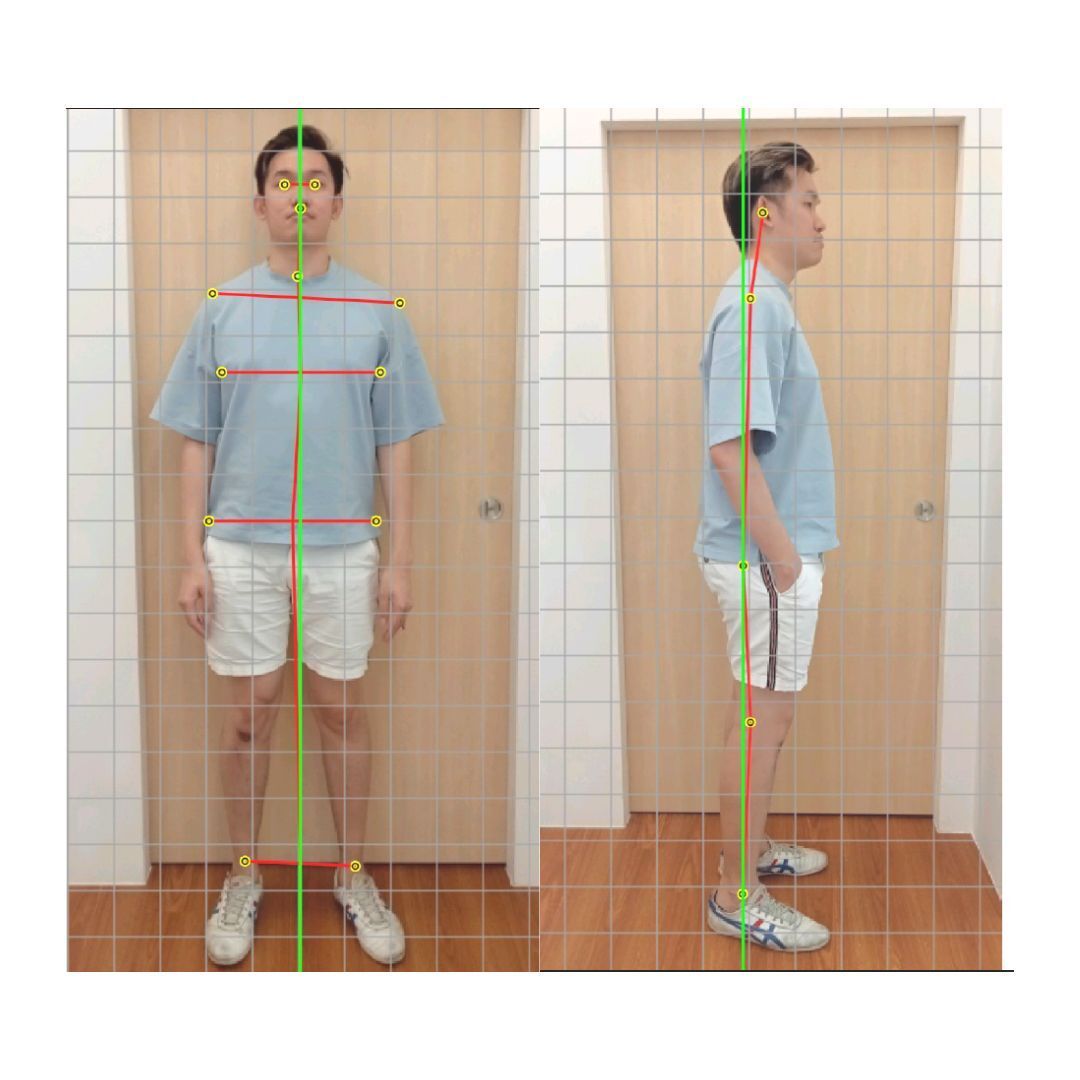
1. Posture Scan
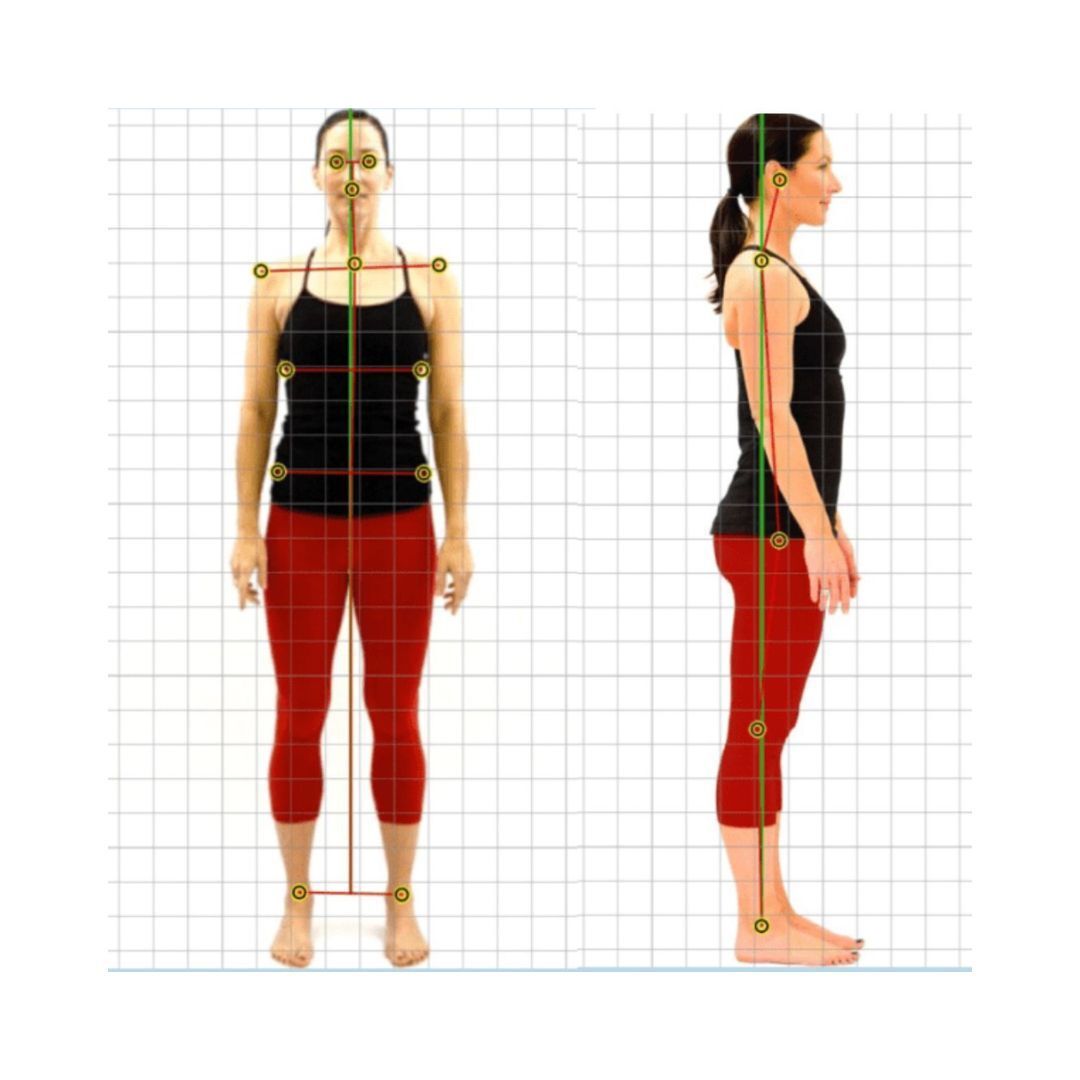
Many chiropractic clinics in Singapore use posture photos taken from the front and side. These images are repeated every few months to compare alignment changes over time.

A posture scan helps chiropractors to detect:

  • Forward head posture (tech neck)
  • Shoulder height imbalance
  • Spinal curvatures
  • Hip and pelvic imbalances
  • Upper-back rounding


2. Range of Motion & Functional Movement Tests

Chiropractors in Singapore regularly reassess how far you can turn, bend, or move without discomfort. Improvements in mobility, combined with reduced pain, are strong indicators that your spine and nervous system are functioning better.

We may measure:

  • Neck rotation
  • Forward/backward bending
  • Side-bending
  • Hip or shoulder mobility, depending on your case

Some chiropractic clinics in Singapore use apps or computerised devices to record movement angles for accurate comparisons.


3. Advanced Posture Technologies

To improve precision, many chiropractic clinics in Singapore use advanced tools such as:

  • Computerised balance or weight-distribution analysis: Identifies postural instability and how your body compensates. These tests are typically repeated every 8–12 weeks to track trends over time.


Regular Re-Exams & Structured Progress Reporting

Most chiropractic programmes in Singapore schedule structured re-exams, not just ongoing adjustments. A re-exam may include:

  • Updated symptom scores
  • Posture scans
  • Range-of-motion measurements
  • Repeat scans or neurological tests


Our chiropractor then modifies the treatment to address:

  • What still needs work
  • Whether the treatment plan should stay the same, taper, or include new rehab or techniques


Patient Feedback & Standardised Outcome Questionnaires

Your daily experience is an essential part of tracking improvement. Our chiropractors will regularly ask about:

- Pain levels and frequency

- Sleep quality

- Ability to work or exercise

- Headaches, dizziness, or numbness

- Stress and overall wellbeing


Benefits for Chiropractic Patients in Singapore

A structured progress-tracking system offers major advantages:

1. Transparency

You can see measurable improvements in posture, mobility, and symptoms.

2. Efficacy

If you’re not improving as expected, our chiropractors will adjust your care plan or refers you appropriately.

3. Motivation

Visual before-and-after comparisons help you stay committed.

4. Long-Term Planning

Once your initial goals are met, our chiropractors can guide you into a maintenance schedule and identify lifestyle changes that support long-term spinal health.


For a personalised care plan, book a consultation with our team at One Spine Chiropractic Singapore today: https://clinic.platomedical.com/book/b25lY2hpcm8=/ec3986fdbb7f42129bb8d835822ea7c6. We’ll help you understand exactly where you are, how your spine is improving, and what steps will keep you feeling better for the long term!
Begin Your Journey: First Consultation at One Spine Chiropractic

Posture Screening

We measure the angles and linear distances of posture displacements from the head down to the ankles for our chiropractors to identify your overall posture alignment. 

1-on-1 Chiropractor's Consultation

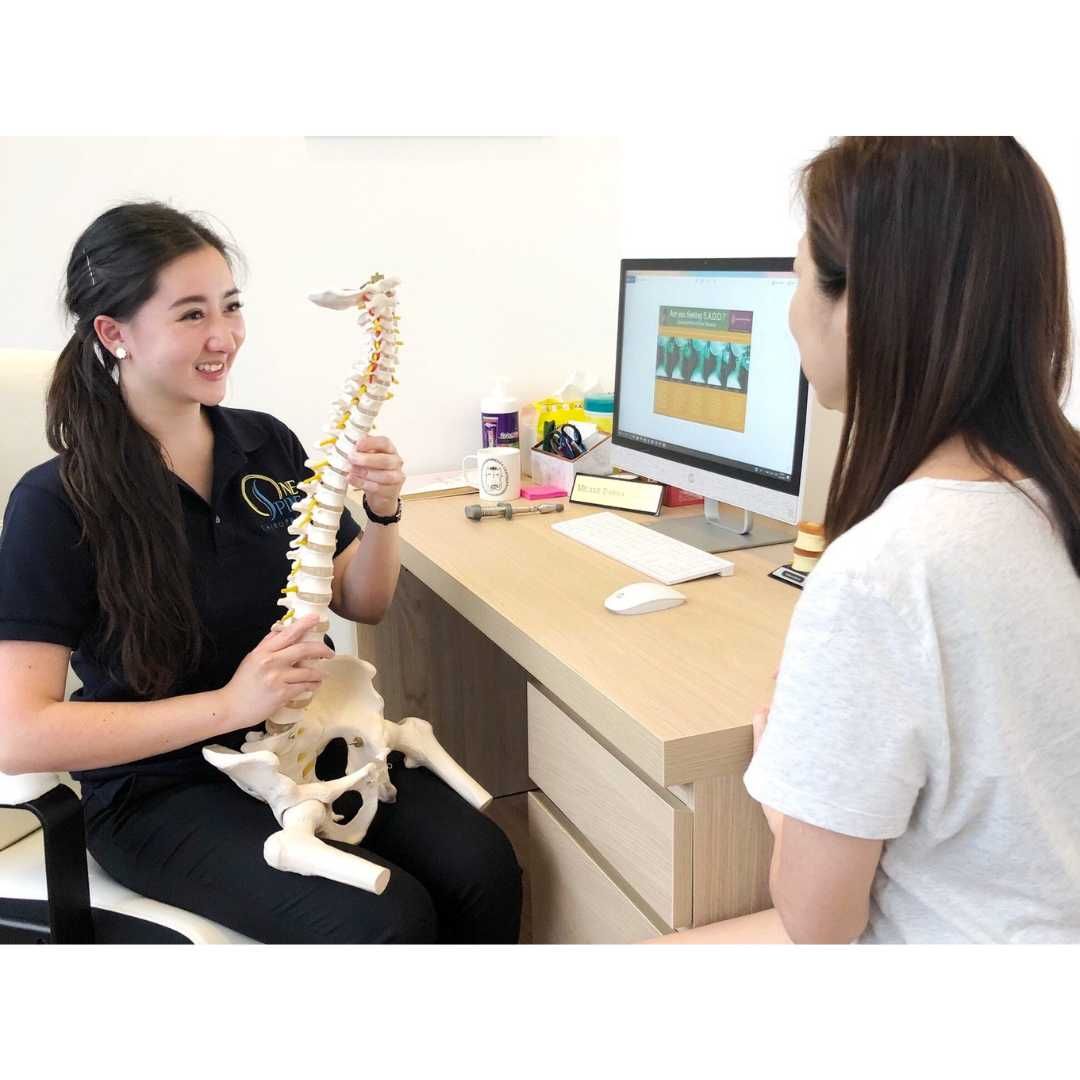
1 on 1 consultation with our chiropractor to perform a comprehensive review of your health history as well as understand your day-to-day lifestyle activities. 

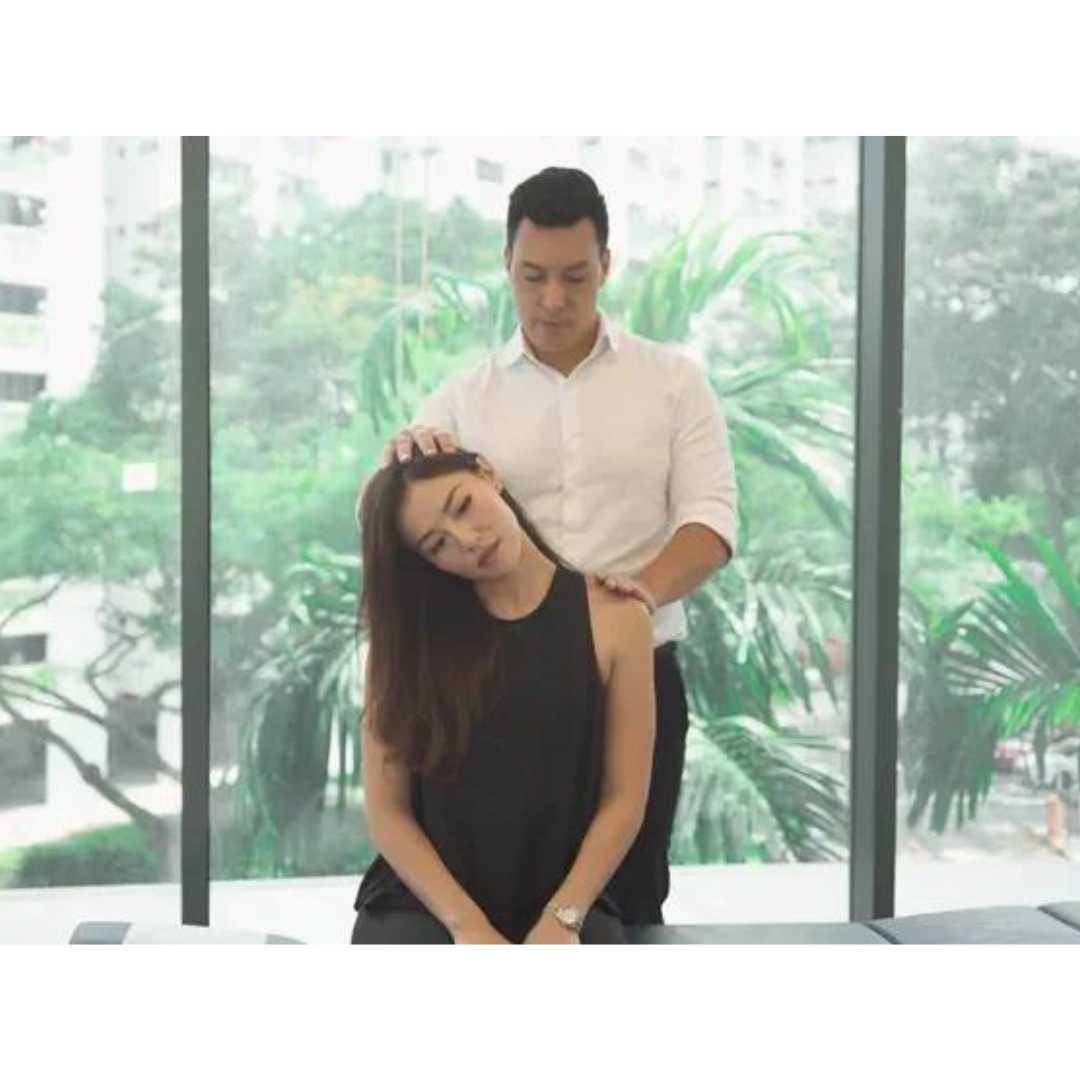
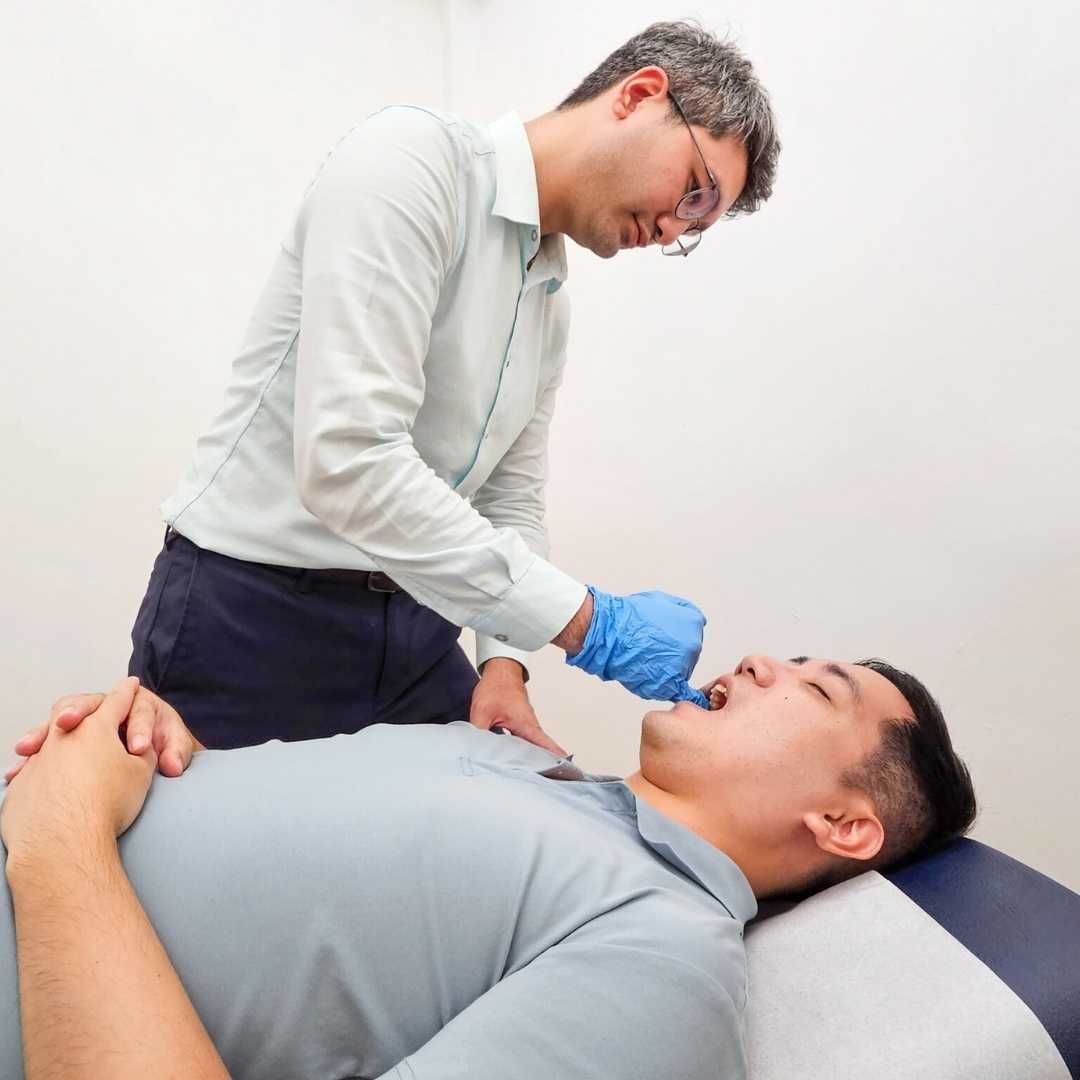
Physical Examination

Our chiropractors will perform physical examinations which usually include different assessments such as comparison of muscle strengths, testing range of motion, testing reflexes, carrying out palpation, and conducting orthopedic and neurological tests based on the complaint.

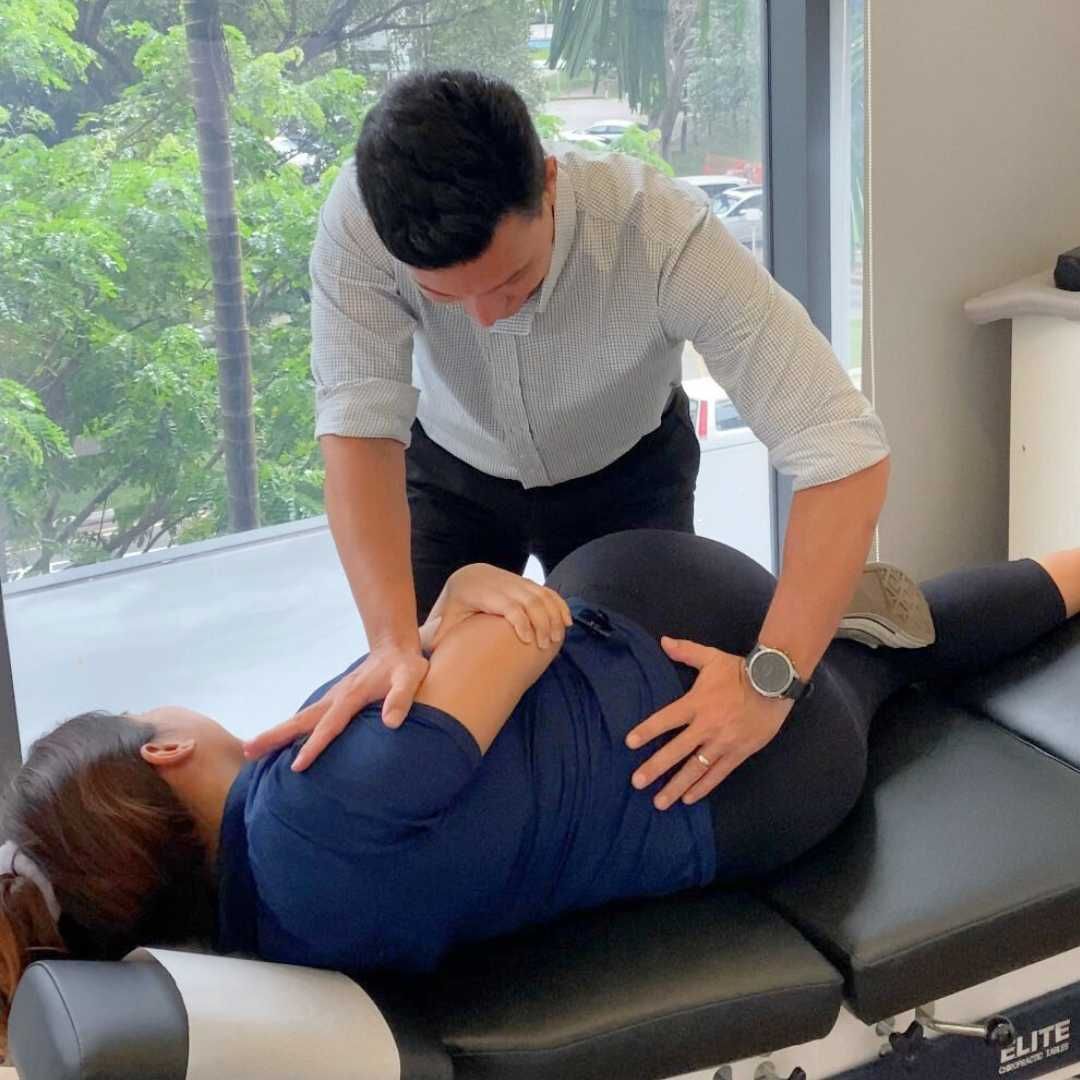
Chiropractic Treatment

Our chiropractors will use their hands or a small instrument to apply a controlled, sudden force to a spinal joint. The goal of this procedure, also known as spinal manipulation, is to improve spinal motion and improve your body's physical function.

Related Articles

Begin Your Journey: First Consultation at One Spine Chiropractic

Posture Screening

We measure the angles and linear distances of posture displacements from the head all the way down to the ankles for our chiropractors in Clementi to identify your overall posture alignment. 

1-on-1 Doctor Consultation

1 on 1 consultation with our Clementi Chiropractor to perform a comprehensive review of your health history as well as understand your day-to-day lifestyle activities. 

Physical Examination

Our Clementi Chiropractor will perform physical examinations which usually include different assessments such as comparison of muscle strengths, testing range of motion, testing reflexes, carrying out palpation, and conducting orthopedic and neurological tests based on the complaint.

Chiropractic Treatment

Our Clementi Chiropractor will use their hands or a small instrument to apply a controlled, sudden force to a spinal joint. The goal of this procedure, also known as spinal manipulation, is to improve spinal motion and improve your body's physical function.

by Anthony Mu Sung 21 January 2026
Growth spurts are an exciting milestone in a child’s development, but they are also a period when the spine is under heightened physical stress . During rapid growth, children and teenagers in Singapore are more vulnerable to back pain, posture changes, and scoliosis progression , especially during school years when sitting time, screen use, and school bag loads are high. Research shows that rapid growth itself is a higher risk factor for spinal discomfort, even in healthy children . Understanding what happens to the spine during growth spurts allows parents in Singapore to spot early warning signs and protect long-term spinal health . What Is a Growth Spurt and Why Does It Affect the Spine? A growth spurt is a short period of rapid height increase , most commonly between ages 10 and 16 , coinciding with puberty. During this phase: Bones lengthen quickly Muscles and ligaments adapt to new loads Intervertebral discs experience changing mechanical stress Body’s centre of gravity shifts Longitudinal studies show that adolescents who grow faster than their peers, especially during puberty, have a higher risk of developing spinal pain , particularly in their mid and lower back. This confirms that growth itself places additional strain on the spine. Common Spinal Issues During Growth Spurts 1. Back and Neck Pain in Growing Children Back and neck pain are increasingly reported in children in Singapore aged 6 to 18, with puberty identified as a critical onset period . Pain often affects the lower back, mid-back, or neck and may worsen with: Prolonged sitting and screen use Rapid height changes Weak core and postural muscles Heavy or poorly fitted school bags Sports without adequate recovery Public health data confirms that spinal pain in youth is no longer rare and often begins during adolescence rather than adulthood . 2. Posture Changes During Growth Spurts (Tech Neck) Also, during rapid growth, many teenagers develop: Forward-head posture Rounded shoulders Slouching when seated When growth spurts combine with prolonged screen use, the neck and upper back are placed under sustained strain. While bad posture alone does not cause scoliosis , it can increase pain, fatigue, and muscular imbalance in developing teenagers' spines. 3. Scoliosis and Curve Progression During Puberty Adolescent idiopathic scoliosis (AIS) most commonly appears between ages 10 and 18 , aligning closely with peak growth velocity. Research shows that: Rapid growth significantly increases the risk of curve progression Up to 50% of adolescents with scoliosis may experience worsening during growth spurts Risk is highest before skeletal maturity This is why monitoring height changes, posture, and spinal symmetry during puberty is strongly recommended by chiropractors in Singapore. Warning Signs Parents Should Watch For Parents in Singapore should seek professional assessment if their child experiences: Persistent back or neck pain lasting more than a few weeks Pain that worsens with activity or disrupts sleep Uneven shoulders or hips, or a rib hump when bending forward Frequent headaches linked to posture or screen time Reduced participation in sports or physical activity Chiropractic and physiotherapy clinics in Singapore commonly report these patterns in children during growth spurts, especially when school bag loads and sitting time are high. How Chiropractic Care Supports Spinal Health During Growth Spurts Chiropractic care does not alter growth, but it helps the spine adapt more comfortably and safely to rapid physical changes. 1. Posture and Spinal Monitoring Chiropractors in Singapore assess: Posture and spinal alignment Movement patterns and muscle balance Changes over time using posture photos and functional tests This is particularly important for adolescents with pain, posture concerns, or scoliosis risk. 2. Gentle Adjustments and Joint Mobility When appropriate, gentle manual therapy may help: Improve spinal and joint mobility Reduce muscle tension Relieve mechanical stress on growing joints Paediatric and adolescent spine research from research papers supports the careful use of conservative manual therapy to reduce pain and improve function when clinically indicated. 3. Exercise, Strengthening, and Movement Guidance Evidence consistently shows that moderate, regular physical activity protects against back pain in adolescents. Chiropractors in Singapore often recommend: Core and hip strengthening Postural correction exercises Sport-specific advice during rapid growth phases This helps the spine cope better with sudden height and weight changes. Practical Tips for Parents in Singapore To protect your child’s spine during growth spurts: Encourage daily movement: Walking, swimming, cycling, and light strength work are ideal Limit prolonged sitting: Take posture breaks every 30–45 minutes Manage school bag weight: Keep bags within 10–15% of body weight and ensure ergonomic fit Promote good sleep posture: Use an age-appropriate pillow and avoid extreme twisting Schedule regular spinal checks: Especially between ages 10–16, during rapid height changes, or with a family history of scoliosis School bag weight and poor ergonomics are frequently cited contributors to spinal strain during growth spurts in Singaporean children. When to Seek Professional Help Consult a chiropractor, paediatrician, or spine specialist if: Pain is persistent, severe, or worsening Visible spinal asymmetry Family history of scoliosis Your child’s posture or activity level changes significantly Early assessment allows conservative strategies (i.e. posture correction, exercise, monitoring, or referral for bracing or specialist care), to be implemented at the most effective time. Supporting Healthy Growth, Safely Growth spurts place unique demands on a child’s spine. With awareness, early monitoring, and appropriate support, most spinal issues during adolescence can be managed conservatively and effectively . By understanding how growth affects spinal health and addressing posture, movement, school bag habits, and early symptoms, parents in Singapore can help their children grow taller, stronger, and more comfortable, with healthier posture into adulthood. Discover the natural benefits of chiropractic care in Singapore today, and give your child the foundation for lifelong wellness. Book your appointment with our team of experienced chiropractors at One Spine Chiropractic Singapore today: https://clinic.platomedical.com/book/b25lY2hpcm8=/ec3986fdbb7f42129bb8d835822ea7c6
by Anthony Mu Sung 9 January 2026
Carrying heavy school bags is one of the most common contributors to back and shoulder discomfort among children in Singapore. With long school days, full timetables, and daily commutes, kids often carry more than their growing spines can comfortably handle. Over time, this can lead to pain, rounded posture, and strain on developing spinal joints . Why School Bags Matter for Your Child’s Posture and Spinal Health Both research and local clinical data show a clear link between heavy school bags and: Neck and shoulder pain Mid and lower-back pain Fatigue and rounded shoulders Increased stress on spinal discs and joints Health professionals in Singapore commonly suggest that students should carry no more than 10–15% of their body weight . For example, a child weighing 25 kg should generally keep their bag within 2.5–3.5 kg. When this limit is exceeded, children often lean forward or sideways to compensate, a habit that can contribute to posture changes over time . How Heavy Is Too Heavy? A Quick At-Home Method A simple, accurate way to check: Weigh your child. Weigh again with the school bag. Ensure the bag falls within 10–15% of their body weight . This guideline is widely supported by Singaporean schools, chiropractors and ergonomic bag companies. If your child’s bag regularly exceeds this limit, consider lighter books, lockers, digital textbooks, or weight-reduction strategies. Parents who search “best ergonomic school bag Singapore” are essentially asking: which bag best protects my child’s spine? Our experienced chiropractors in Singapore, as well as ergonomic experts, typically recommend evaluating these four features: 1. Choose the Right Size and Fit A goo d bag should: Match your child’s height (not wider than the torso) Sit from shoulders to the top of the pelvis Oversized bags can increase shoulder pull, neck strain, and slouching. 2. Look for Wide, Padded Shoulder Straps They help distribute pressure and reduce discomfort. Adjustable straps ensure the load stays close to the spine . Narrow straps can dig into the shoulders and contribute to muscle tension. 3. Opt for Chest and Waist Straps These straps help distribute the load evenly across the body and keep the bag secure during walking or commuting. They are particularly helpful for kids who walk long d istances or carry heavier items. 4. Opt for Chest and Waist Straps A firm, padded back panel prevents objects from poking into the spine and keeps the weight closer to the body. Multiple compartments can help distribute items evenly and maintain balance. How to Pack a School Bag Correctly Daily mobility work prevents the lower back and hips from tightening up, especially after long hours sitting. Studies show that simple movement routines combined with education are more effective than rest alone . 1. Cat-Cow On hands and knees, slowly arch your back (cat), then gently lower it (cow). Repeat 8–10 times. 2. Pelvic Tilts Lie on your back with bent knees. Flatten your lower back into the floor, hold 3–5 seconds. Repeat 10–15 times. 3. Hamstring Stretch (Using a Towel) Lie on your back. Loop a towel behind one thigh and gently straighten the knee. Hold 15–20 seconds per side. Flexible hips and legs reduce strain on the lower back. How Often Should You Do These Exercises? Studies emphasise consistency over intensity for long-term spinal health . Here's a simple guideline: 10–20 minutes a day Split into short sessions (morning, mid-day, evening) Move gently Stop if you experience numbness or tingling Why Your Chiropractor Wants You to Keep Exercising at Home Studies emphasise consistency over intensity for long-term spinal health . Here's a simple guideline: 10–20 minutes a day Split into short sessions (morning, mid-day, evening) Move gently Stop if you experience numbness or tingling While chiropractic adjustments in Singapore can help realign your spine and restore optimal nervous system function, your muscles and joints need ongoing support between visits. Home exercises help you: Support and maintain your chiropractic adjustments Reduce flare-ups Improve posture and daily movement Strengthen weak areas contributing to pain Long-term studies show that patients who continue simple exercises experience less pain, fewer relapses, and better spinal function over time . For a personalised exercise plan or a guided demonstration, book a consultation with our team of experienced chiropractors at One Spine Chiropractic Singapore today: https://www.onespine.sg/contact-us
Chiropractic clinic in Singapore.
by Anthony Mu Sung 30 December 2025
Simple, chiropractor-approved spine exercises to reduce back and neck pain, improve posture, and support chiropractic care. Trusted Singapore chiropractic clinic.
woman sleeping in Singapore
by Anthony Mu Sung 30 November 2025
Improve your sleep naturally. Learn how chiropractic care in Singapore helps with insomnia, chronic pain, stress, and sleep regulation.
More posts