Carrying School Bags: A Chiropractor’s Guide for Parents in Singapore
Carrying heavy school bags is one of the most common contributors to back and shoulder discomfort among children in Singapore. With long school days, full timetables, and daily commutes, kids often carry more than their growing spines can comfortably handle.
Over time, this can lead to pain, rounded posture, and strain on developing spinal joints.
Why School Bags Matter for Your Child’s Posture and Spinal Health
Both research and local clinical data show a clear link between heavy school bags and:
- Neck and shoulder pain
- Mid and lower-back pain
- Fatigue and rounded shoulders
- Increased stress on spinal discs and joints
Health professionals in Singapore commonly suggest that students should carry no more than 10–15% of their body weight.
For example, a child weighing 25 kg should generally keep their bag within 2.5–3.5 kg. When this limit is exceeded, children often lean forward or sideways to compensate, a habit that can contribute to posture changes over time.
How Heavy Is Too Heavy? A Quick At-Home Method
A simple, accurate way to check:
- Weigh your child.
- Weigh again with the school bag.
- Ensure the bag falls within 10–15% of their body weight.
This guideline is widely supported by Singaporean schools, chiropractors and ergonomic bag companies. If your child’s bag regularly exceeds this limit, consider lighter books, lockers, digital textbooks, or weight-reduction strategies.
Parents who search “best ergonomic school bag Singapore” are essentially asking: which bag best protects my child’s spine?
Our experienced chiropractors in Singapore, as well as ergonomic experts, typically recommend evaluating these four features:
1. Choose the Right Size and Fit
A good bag should:
- Match your child’s height (not wider than the torso)
- Sit from shoulders to the top of the pelvis
Oversized bags can increase shoulder pull, neck strain, and slouching.
2. Look for Wide, Padded Shoulder Straps
They help distribute pressure and reduce discomfort. Adjustable straps ensure the load stays close to the spine. Narrow straps can dig into the shoulders and contribute to muscle tension.
3. Opt for Chest and Waist Straps
These straps help distribute the load evenly across the body and keep the bag secure during walking or commuting. They are particularly helpful for kids who walk long distances or carry heavier items.
4. Opt for Chest and Waist Straps
A firm, padded back panel prevents objects from poking into the spine and keeps the weight closer to the body. Multiple compartments can help distribute items evenly and maintain balance.
How to Pack a School Bag Correctly
1. Place Heavy Items Closest to the Spine
This reduces the pulling force on the shoulders and back.
2. Balance Left and Right
Avoid one-sided loading that causes the bag to tilt.
3. Declutter Weekly
Many schools encourage regular bag checks as extra items can add unnecessary strain.
4. Always Use Both Straps
One-strap carrying creates muscle imbalance and spinal rotation.
Correct Carrying Technique: What Chiropractors Teach Kids
Chiropractors and schools in Singapore usually recommend these techniques:
- Adjust straps so the bag stays close to the body
- Use chest/waist straps if available
- Stand tall and avoid leaning forward excessively
For lifting:
- Place the bag on a table before wearing it
- If lifting from the floor, bend the knees, keep the bag close, and avoid twisting
Warning Signs Parents Should Not Ignore
You may want to consult a professional if your child shows:
- Recurring neck, shoulder or back pain
- Red marks or deep shoulder grooves
- Noticeable slouching or leaning
- Headaches after school
- Difficulty carrying the bag without support
Here at One Spine Chiropractic Singapore, we often see such symptoms in children who are carrying loads beyond safe limits.
How Chiropractors in Singapore Help Protect Children’s Spinal Health
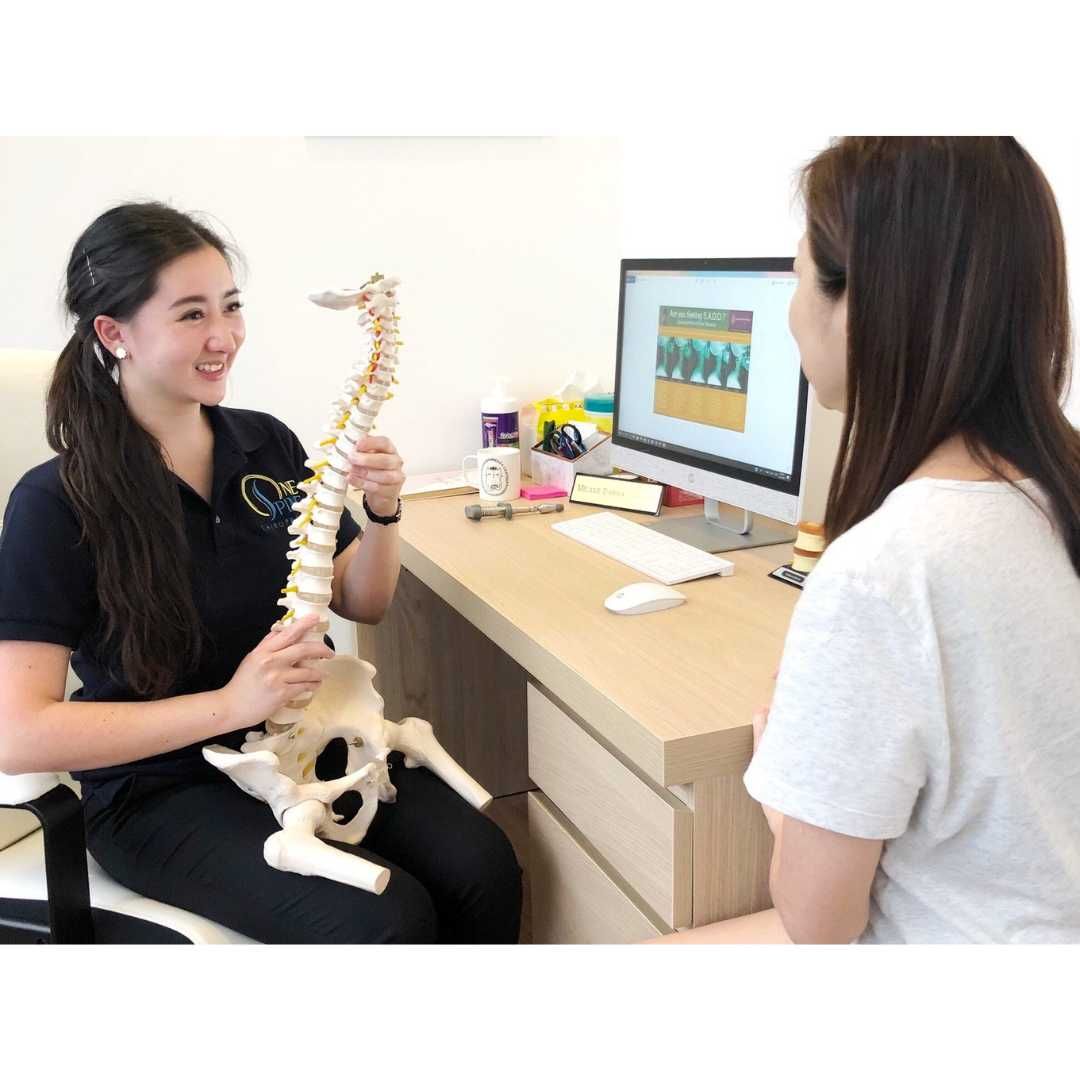
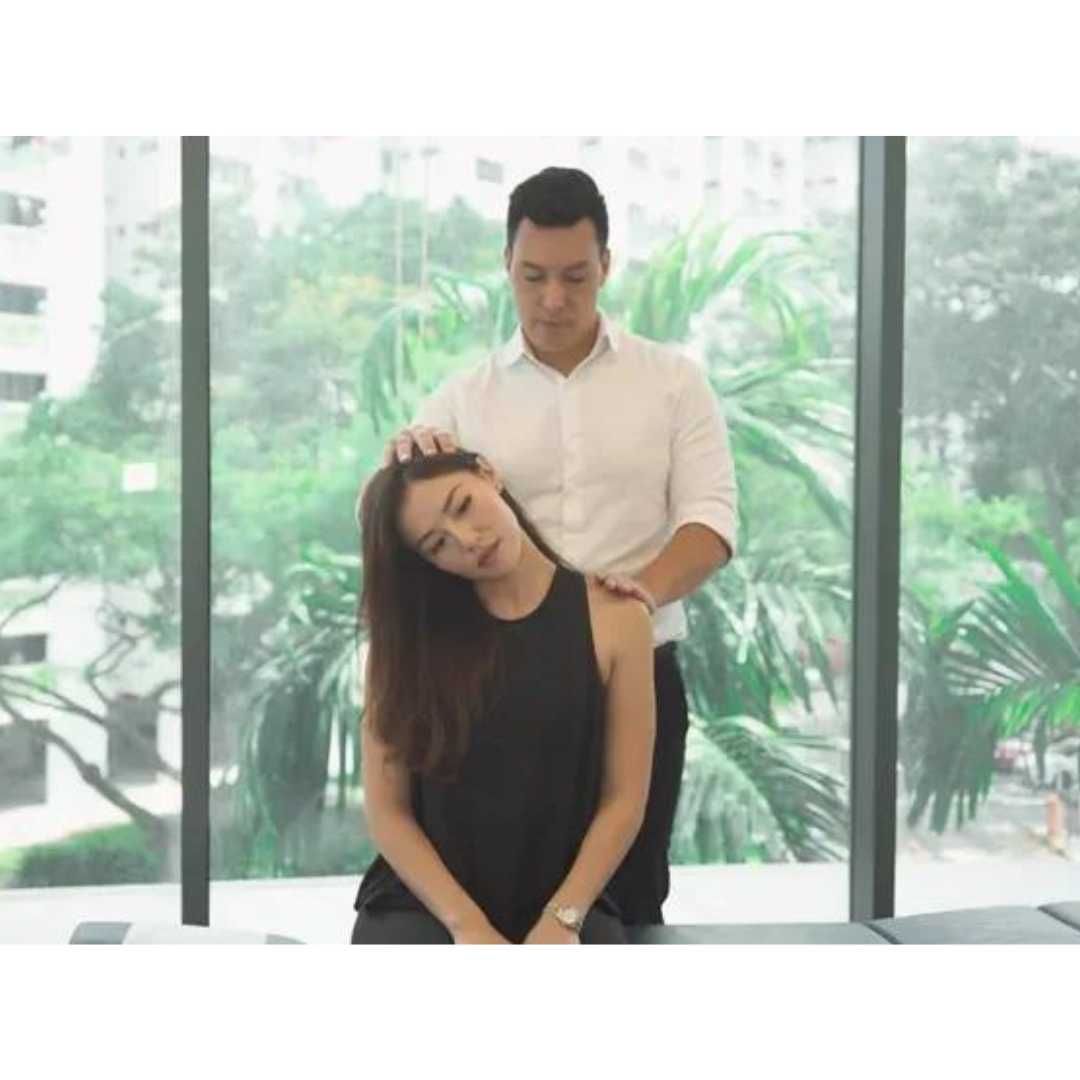
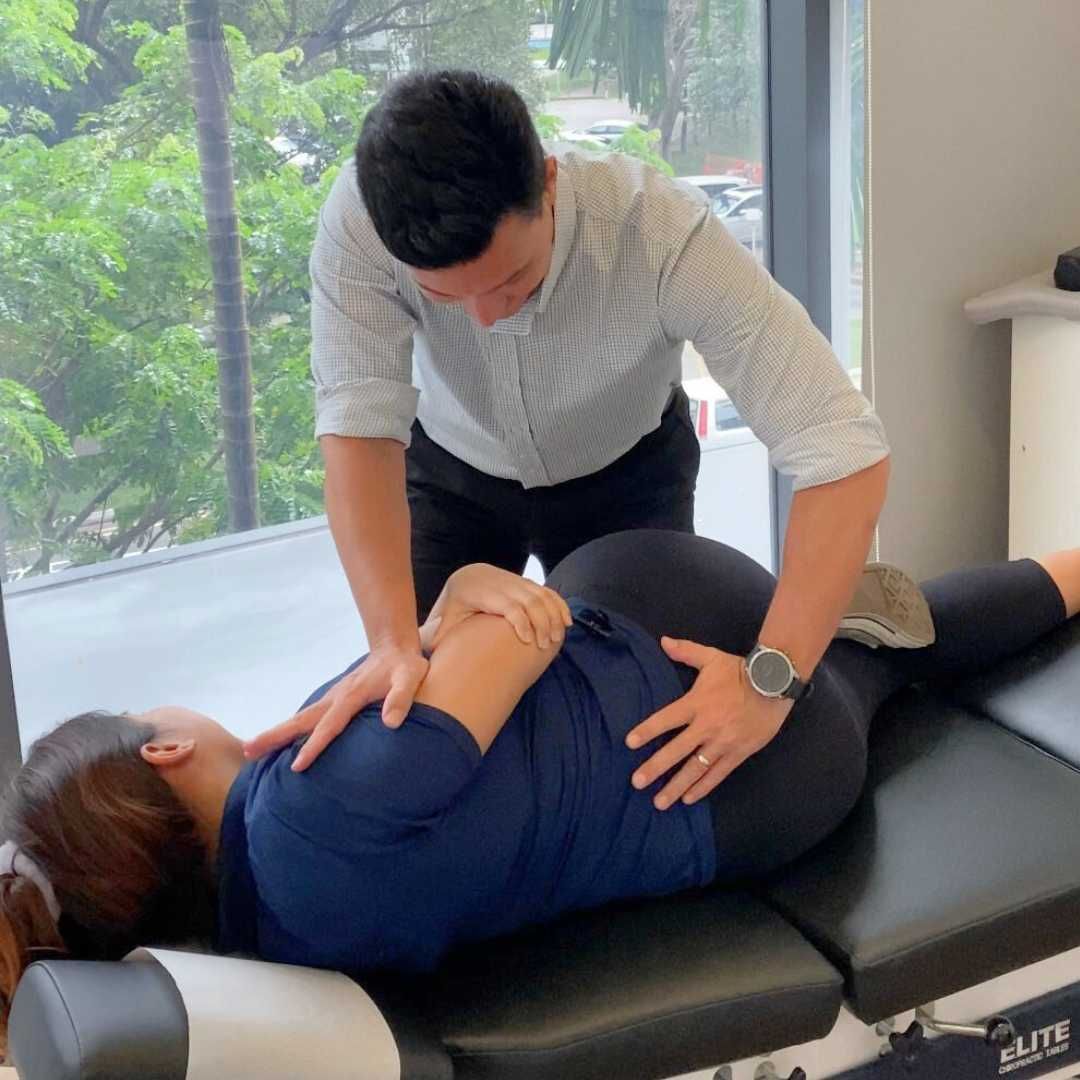
A paediatric-trained chiropractor can:
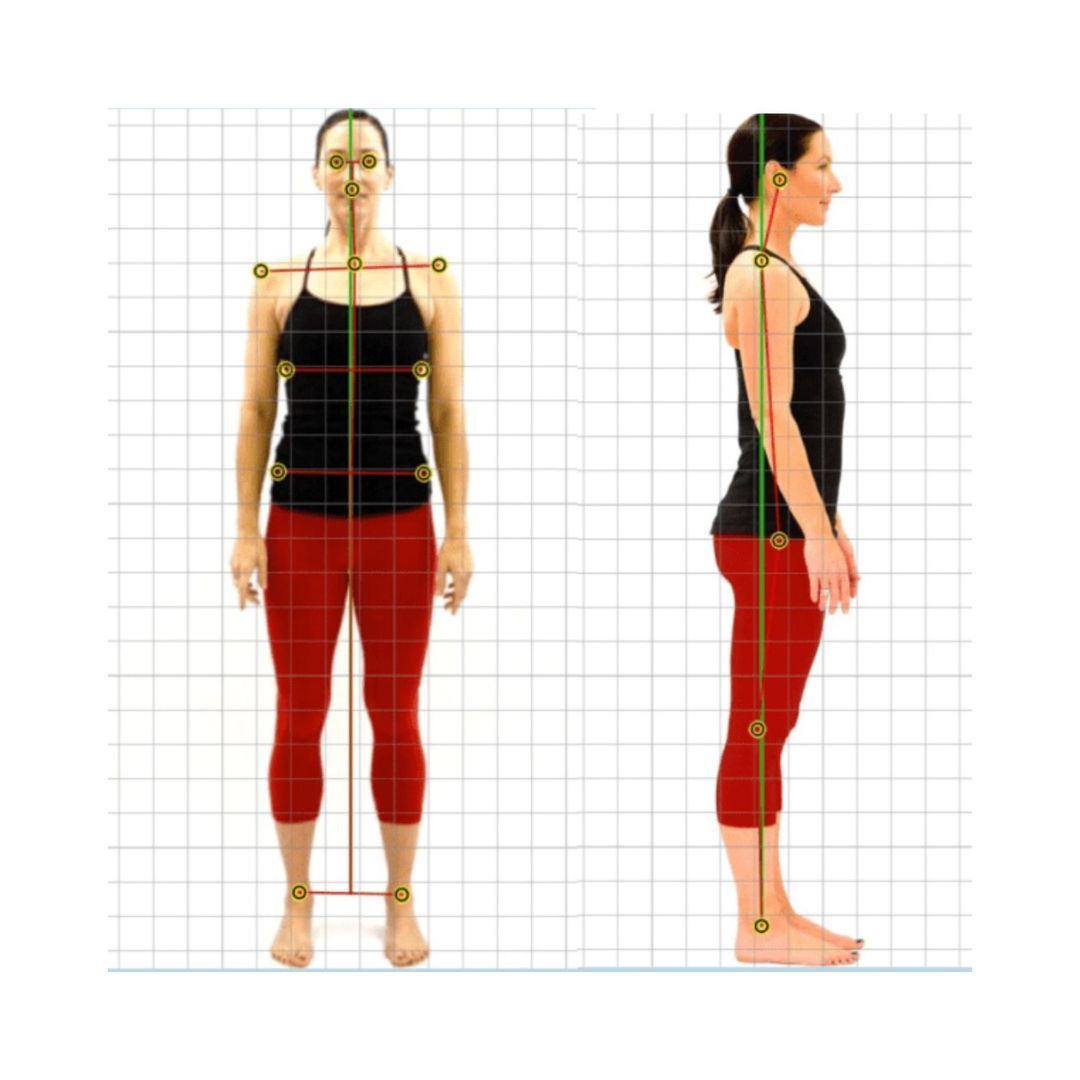
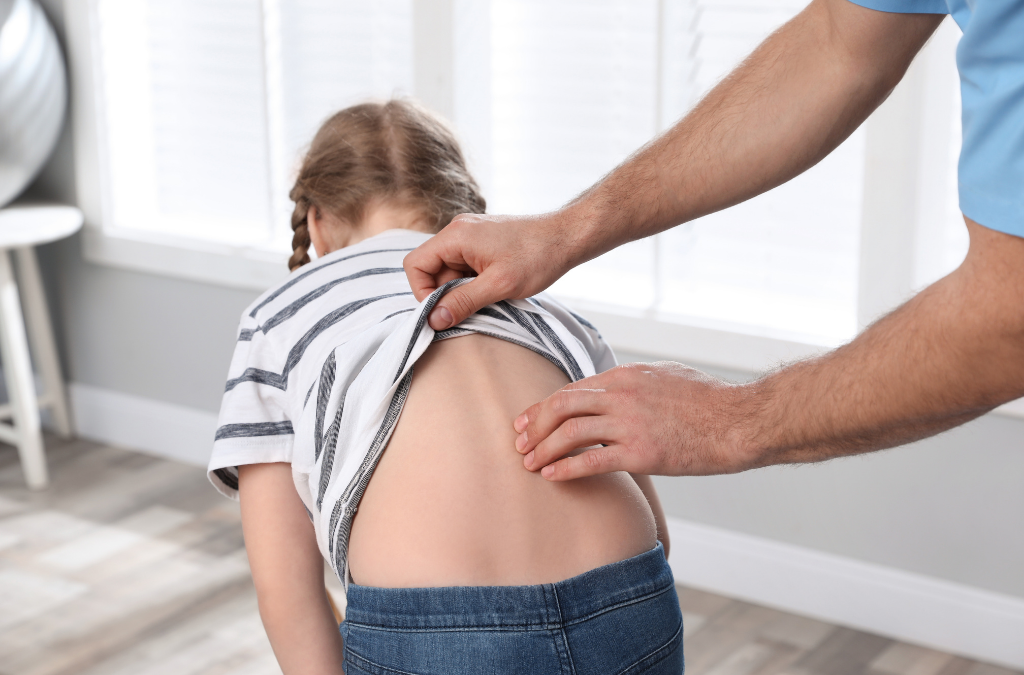
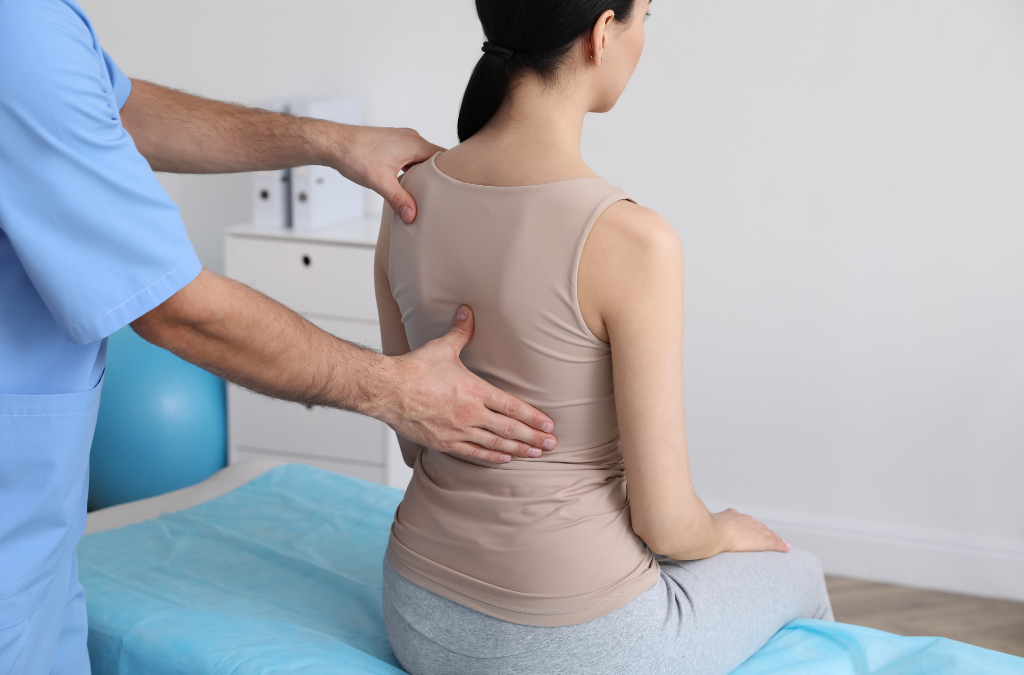
- Assess posture, spine alignment and mobility
- Review school bag fit and load
- Recommend ergonomic adjustments
- Provide age-appropriate strengthening exercises
- Monitor spinal health during growth spurts
Combining an ergonomic bag, smart packing habits and periodic spinal checks is one of the most reliable ways to support your child’s posture long-term.
For a customised ergonomic assessment or posture check for your child, book a consultation with our experienced team of chiropractors at One Spine Chiropractic Singapore today: https://clinic.platomedical.com/book/b25lY2hpcm8=/ec3986fdbb7f42129bb8d835822ea7c6