TMJ Chiropractor Singapore: Can Chiropractic Help Jaw Pain, Headaches & TMD?
Jaw pain, clicking, headaches, and neck tension are common symptoms of temporomandibular joint (TMJ) disorders in Singapore. For many people living in Singapore, these symptoms interfere with eating, speaking, sleep, and daily comfort.
While chiropractic care does not treat everything TMJ, research and clinical guidelines suggest it can play a supportive role for selected patients by addressing jaw mechanics, neck alignment, posture, and muscle tension as part of a conservative, multidisciplinary approach alongside dental or medical care in Singapore
Understanding what TMJ disorders are and how chiropractic care in Singapore can help is important, so patients can make informed decisions rather than chasing quick or temporary relief.
What Is TMJ Disorder (TMD)?
The temporomandibular joint connects the lower jaw to the skull just in front of the ear. It allows complex movements such as opening, closing, and side-to-side motion required for chewing and speaking.
Temporomandibular disorders (TMD) refer to a group of conditions affecting:
- The TMJ joint itself (bone, cartilage, disc)
- The muscles that control jaw movement
- Related structures in the face, head, and neck
Common TMJ Symptoms
- Jaw pain or tenderness, especially with chewing or talking
- Pain in front of the ear, face, temples, or neck
- Changes in bite or jaw movement
- Clicking, popping, or grinding sounds
- Locking or difficulty opening/closing the mouth
- Headaches, earaches, or tinnitus
What Causes TMJ Disorders?
TMJ disorders in Singapore are widely recognised as multifactorial, meaning there is rarely a single cause. Common contributing factors include:
- Jaw clenching or teeth grinding (bruxism), often stress-related
- Joint degeneration or arthritis (i.e. osteoarthritis or inflammatory arthritis)
- Trauma to the jaw, face, or neck (including whiplash)
- Disc displacement or degeneration within the TMJ
- Muscle overuse and tension in the jaw, neck, and upper shoulders
- Temporary bite changes, such as after dental procedures
Standard Medical & Dental Care for TMJ
Clinical guidelines consistently recommend reversible, conservative management as first-line care.
This may include:
- Education and reassurance
- Soft diet and avoiding excessive jaw opening
- Heat or cold therapy
- Short-term pain relief
- Stress management and sleep hygiene
- Dentist-made night guards for bruxism
- Physiotherapy and jaw exercises
Surgery may be required for rare, severe structural joint problems that fail extensive conservative treatment.
How Chiropractic Care Fits Into TMJ Management
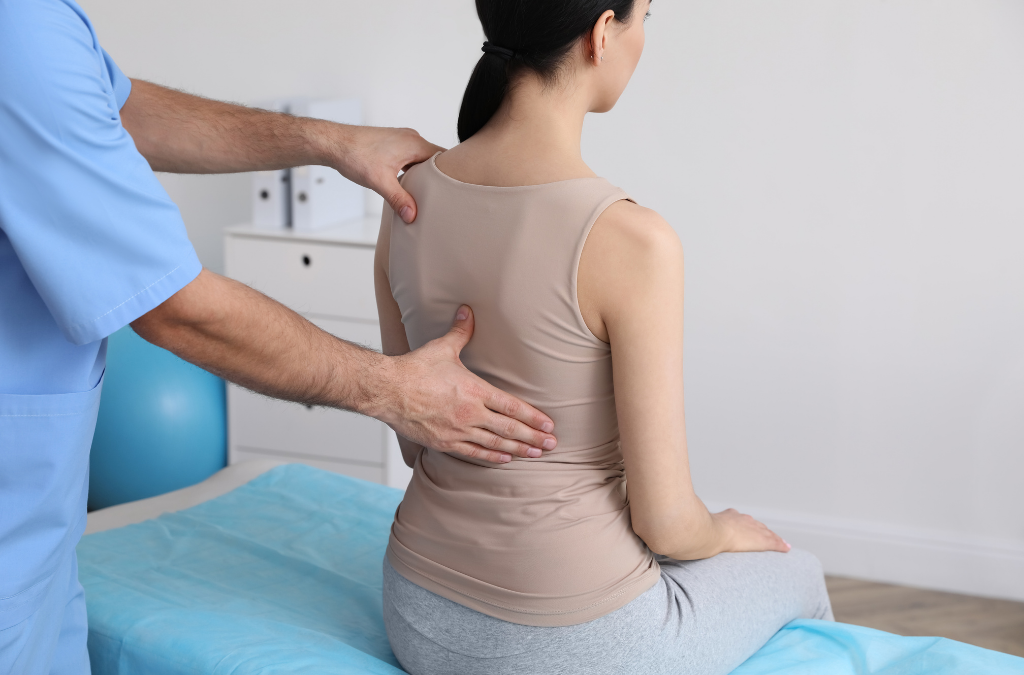
Chiropractors in Singapore focus on the musculoskeletal and nervous systems. For TMJ disorders, care is typically aimed at improving jaw-neck coordination rather than treating the jaw in isolation.
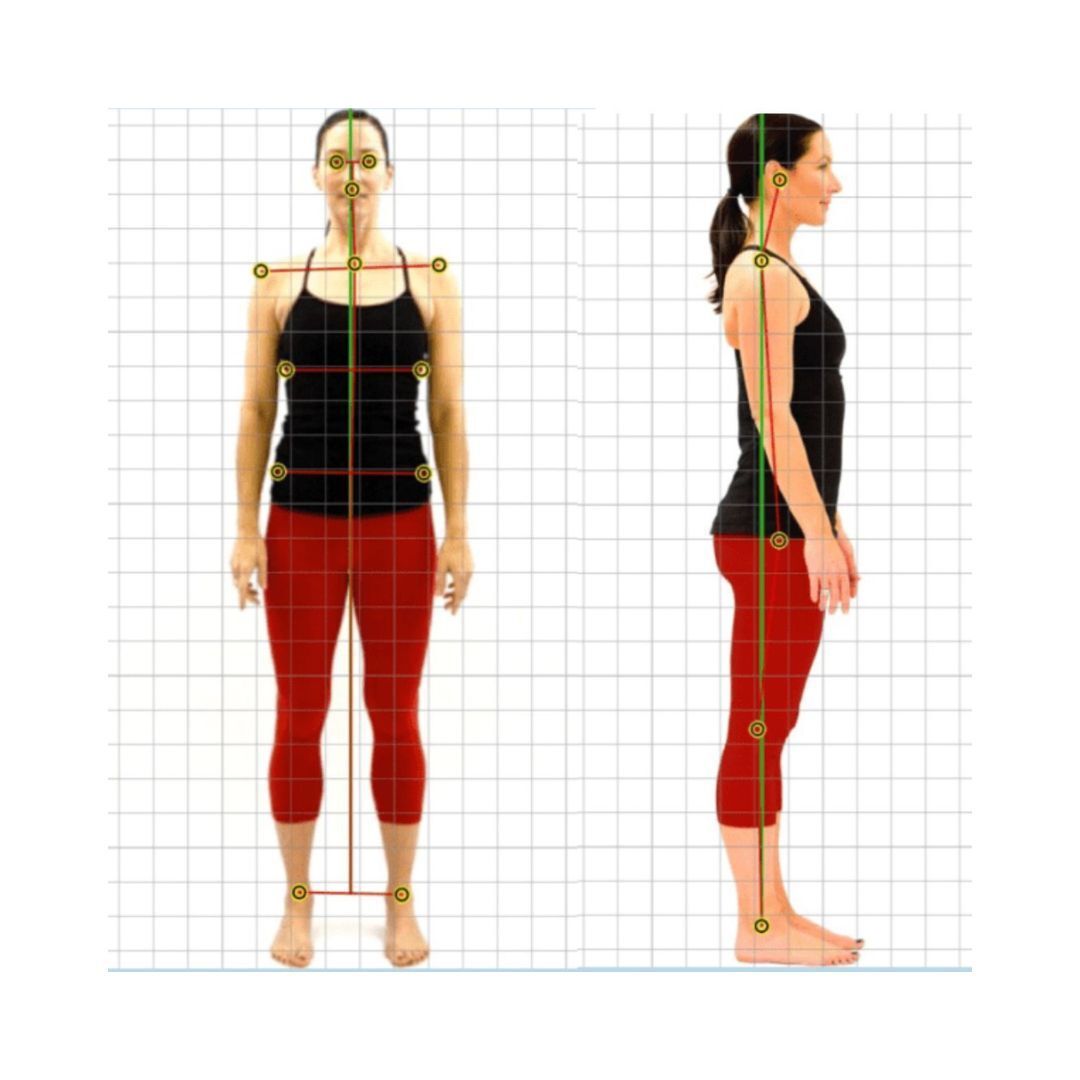
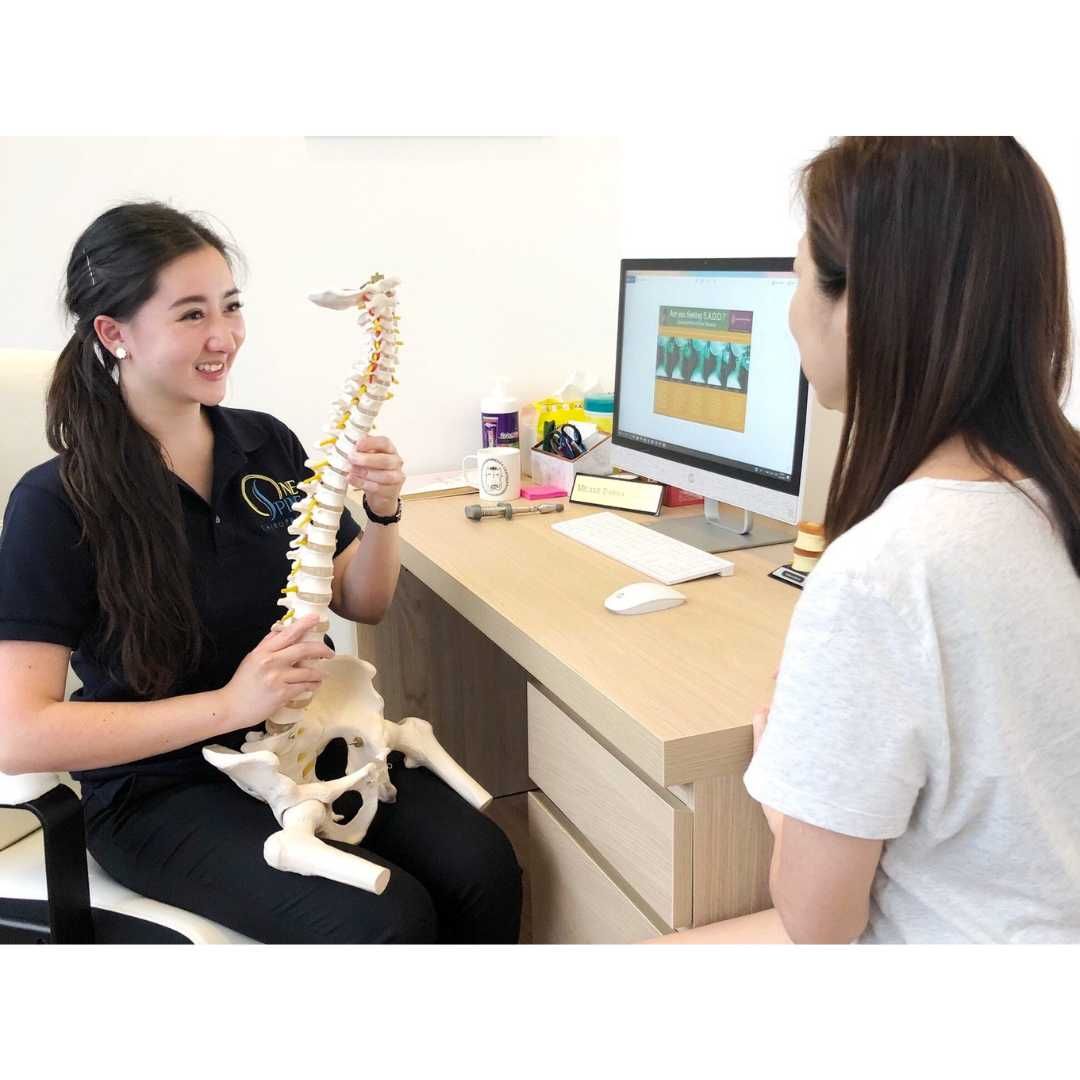
1. Comprehensive Assessment: Jaw + Neck + Posture
A chiropractic evaluation in Singapore usually includes:
- Detailed symptom history (jaw pain triggers, clenching, stress, trauma, headaches, neck pain)
- Jaw movement assessment (opening range, deviation, clicking, locking)
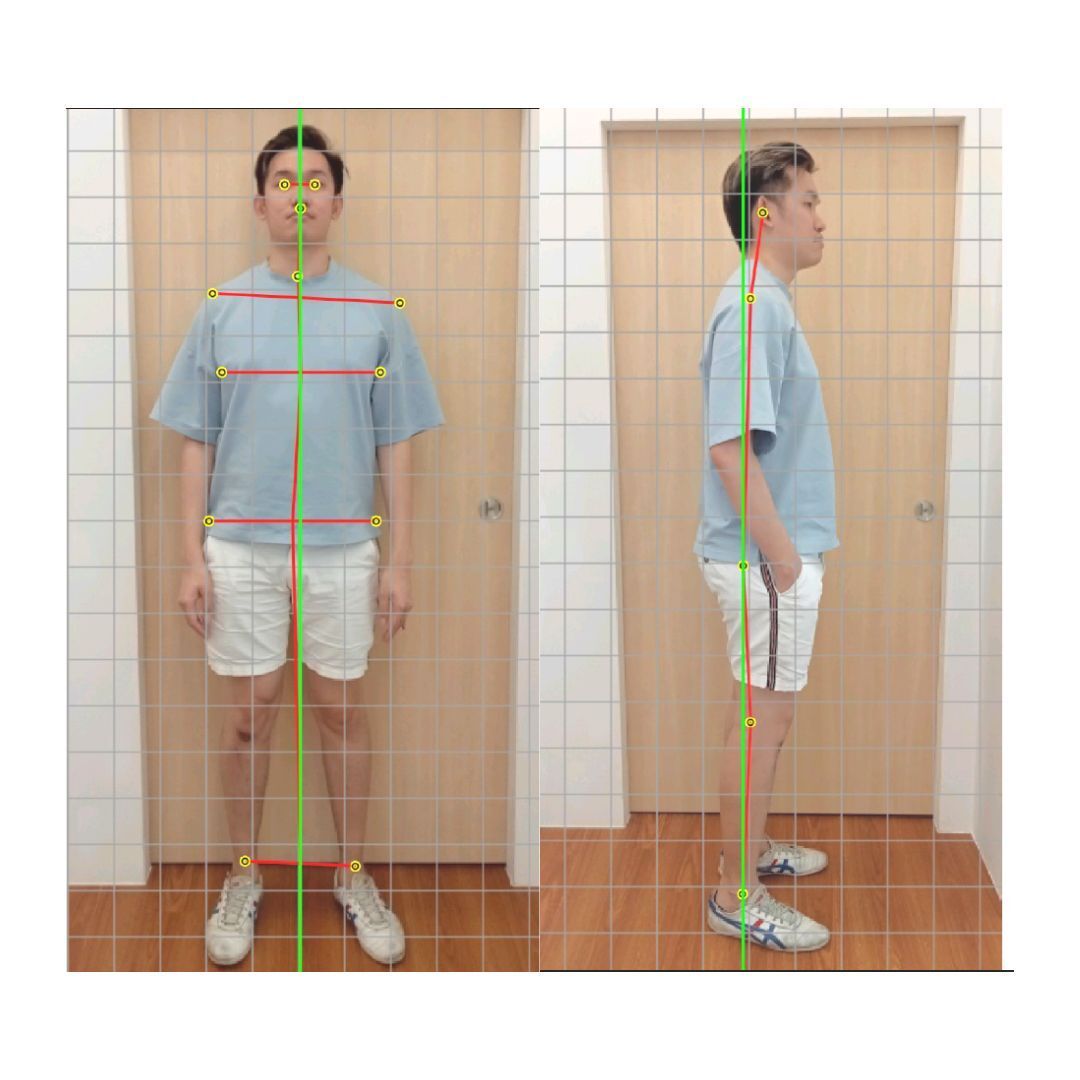
- Cervical spine and upper-back examination, including posture and muscle tension
This aligns with major health resources that categorise TMD into joint-based, muscle-based, and headache-related subtypes, which often overlap. Red flags (i.e. significant trauma, infection, suspected fracture, or systemic disease) often require referral to dental or medical specialists.
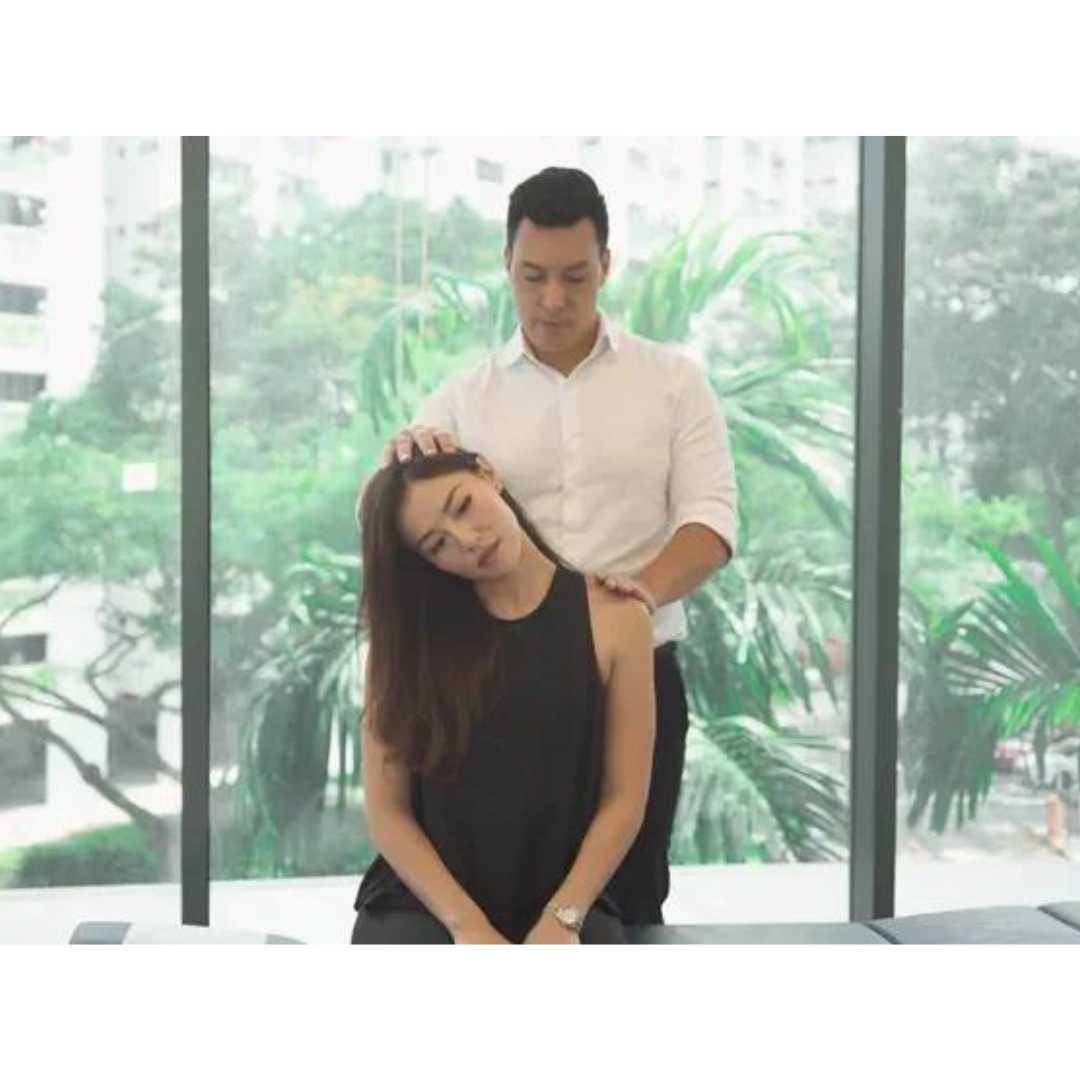
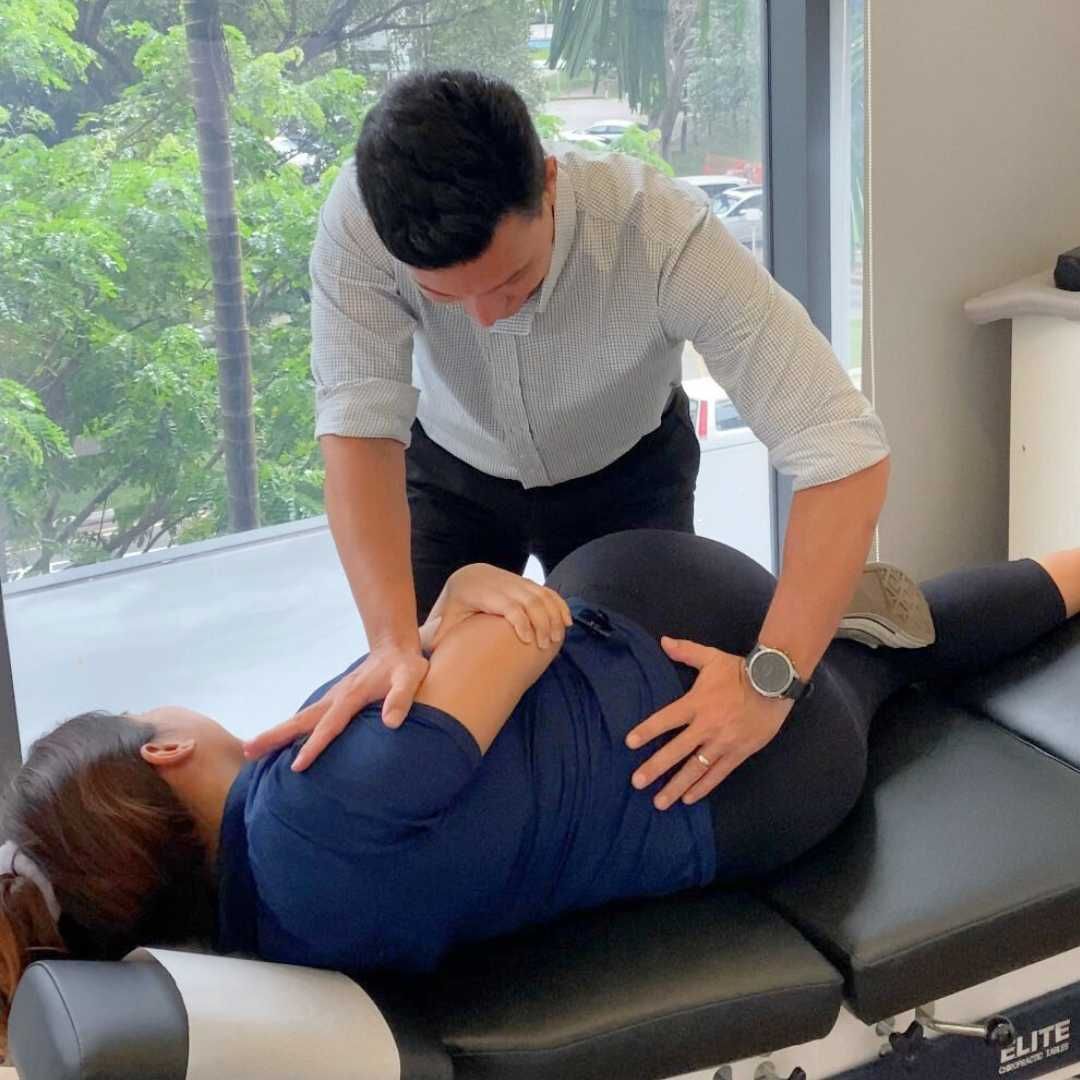
2. Manual Therapy for Jaw and Cervical Spine
Clinical trials and systematic reviews suggest that manual therapy (including jaw and cervical mobilisation or manipulation) can improve pain and function in some TMD patients, particularly when combined with exercise and self-care.
Chiropractic treatment for TMJ pain may include:
- Gentle cervical and upper thoracic joint mobilisation
- Soft-tissue techniques for jaw and neck muscles
- Selected TMJ mobilisation techniques within comfortable ranges
- Proposed mechanisms include reduced muscle hyperactivity, improved biomechanics, and modulation of pain processing.
3. Posture & Ergonomic Guidance
Forward-head posture and prolonged screen use are commonly seen in people with TMJ pain. Major health resources note that neck posture and muscle tension can worsen jaw symptoms.
Our team of experienced chiropractors in Singapore will address:
- Head and neck posture at desks and mobile devices
- Upper-crossed muscle patterns
- Education on how sustained slouching increases jaw and neck load
4. Exercises & Self-Management
Consistent with physiotherapy and dental guidelines, chiropractic care in Singapore often includes:
- Gentle jaw mobility and control exercises
- Relaxation and breathing strategies to reduce clenching
- Neck mobility and strengthening exercises
- Advice on habits that overload the jaw
Active self-management is a key predictor of better long-term outcomes in TMJ.
When Chiropractic Care May Help And When to See Someone Else First
Chiropractic care in Singapore may be helpful if:
- Jaw pain is associated with neck pain, headaches, or posture issues
- Symptoms appear muscle- or movement-related
- You prefer conservative, non-surgical care alongside dental guidance
Seek dental or medical evaluation first if:
- There is severe jaw locking or major limitation of opening
- Significant trauma, infection, or inflammatory arthritis is suspected
- Symptoms are accompanied by systemic red flags
A responsible chiropractor in Singapore will explain these boundaries clearly and refer when appropriate. TMJ disorders are common and often manageable with conservative care. Chiropractic treatment does not replace dental or medical management, but for many patients in Singapore, it can support jaw pain relief by improving neck mechanics, posture, muscle tension, and movement patterns as part of an evidence-informed, team-based approach.
Discover the natural benefits of chiropractic care in Singapore and book your appointment with our team of experienced chiropractors at One Spine Chiropractic Singapore today: https://clinic.platomedical.com/book/b25lY2hpcm8=/ec3986fdbb7f42129bb8d835822ea7c6