The Best Mattress for Back Pain Relief and Restful Nights

Are you one of the millions who struggle with back pain, longing for a restful night's sleep? You're not alone. Back pain can disrupt our lives, affecting everything from our daily activities to our overall well-being. If so, we have some valuable information for you.


As a chiropractor, we understand the crucial role that sleep plays in spinal health and overall well-being. Yet, with the myriad of mattress options available, navigating the landscape can be overwhelming.


In this brief guide, we'll explore the intersection of back pain, sleeping position, and mattress selection, offering insights to help you find the ideal mattress tailored to your needs. Let's embark on this journey toward a restful, pain-free slumber.
Understanding+Back+Pain+and+its+Impact+on+Sleep

Understanding Back Pain and its Impact on Sleep Quality

Back pain can make it tough to sleep well. Knowing why it happens and the effect it has on our health helps us see why picking the right mattress is so important.


Causes of back pain

Causes of back pain can vary, ranging from muscular tightness or ligamentous strains to misalignment or degeneration of the vertebrae in the spine. Additionally, factors such as improper lifting techniques, prolonged periods of sitting, or using a mattress that doesn't adequately support the spine can contribute to back discomfort.


Our backs are vital for almost every aspect of daily life, emphasising the importance of maintaining spinal health for overall well-being. Considering factors like sleeping position, mattress quality, and pillow support becomes crucial in preventing or alleviating back pain and ensuring a restful night's sleep.


Effects on sleep quality

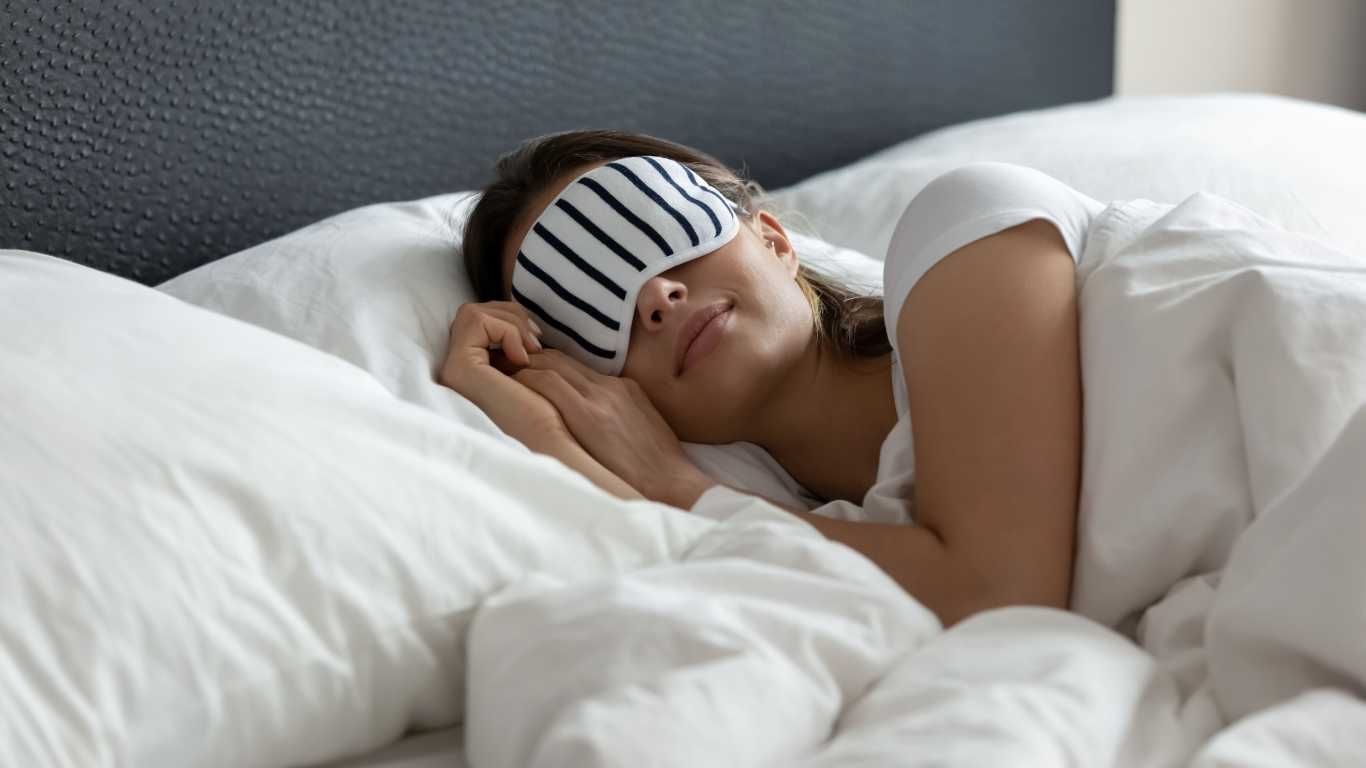
Having back pain can make it tough to get a good night's sleep. Our bodies try to heal and refresh while we're asleep, but if your mattress doesn't give you the right support, this process gets harder.


A bad mattress might let our spine stay in awkward positions for too long. This can lead to muscle tension and worsen our pain.

We all need deep sleep so we feel rested when we wake up. If a mattress is too soft or too firm, it can press on sensitive spots like our shoulders or cause rotation in our spine or pelvis. This pressure stops us from moving freely in our sleep and reaching the restful stages of sleep that allow our body to properly rest and recover.


Choosing a supportive mattress is vital for quality rest and reducing discomfort at night.
Bedok Chiropractor

The Chiropractic Approach to Treating Lower Back Pain and its Role in Sleep

At our chiropractic clinic in Singapore, we understand the crucial relationship between a restful night's sleep and effective lower back pain management. Our holistic approach not only includes precise adjustments to alleviate discomfort but also emphasises the importance of adopting a supportive sleeping position and using a mattress that maintains healthy spinal alignment throughout the night.

Benefits of chiropractic care for back pain relief

Back pain can make everyday tasks feel like a challenge and disrupt your sleep. That's where chiropractic care comes in. By making adjustments to your spine, chiropractors can help ease your pain and improve your overall well-being.


While chiropractic adjustments might seem daunting at first, they're safe and gentle. Unlike simply masking the pain, these treatments target the root cause of your back issues.


Additionally, spinal decompression therapy is another valuable tool in our arsenal for combating back pain. This non-invasive treatment gently stretches the spine to relieve pressure on the spinal discs, alleviating pain and promoting healing.


After visiting a chiropractor, many of our patients experience significant improvements. They find that they move more freely and sleep better without the constant ache in their backs. So, if you're tired of living with back pain, consider giving chiropractic care a try.


Importance of a supportive mattress for back pain

A good mattress does wonders for back pain. It helps keep the spine in line while we sleep. If our backs are happy, we can rest well and wake up feeling great. A firm mattress often gives the right balance of support and comfort.


But not all firm mattresses do the trick. We need to find one that fits just right with our bodies. Some people might need a bit more cushioning, like a medium firm feel, especially if they have certain sore spots or curves in their body shape.


Whatever choice we make, it’s about getting that sweet spot where our muscles can relax but our back doesn't sag.


Having the right mattress means less twisting and turning at night too. This is because there's less pressure on places that can cause pain, like hips or shoulders. Every part of the body should be supported without being pushed into an odd angle which could interfere with our spine's neutral alignment.


So let's choose wisely for peaceful nights and happier mornings because a supportive bed is key to easing back pain!

Type+of+Mattress+For+Back+Pain+Relief

Choosing the Best Mattress for Back Pain

In our quest for blissful slumber, selecting the ideal mattress becomes pivotal for alleviating back pain; dive deeper with us to uncover how the right choice can transform your nights and nurture your spine.


Types of mattresses to consider

We know back pain can make nights tough. Choosing the right mattress plays a big role in how you feel every morning.

  • Memory foam mattresses: These cradle your body and relieve pressure points. They're good for keeping your spine straight while you sleep.
  • Latex mattresses: They give firm support and are great for people who move a lot in their sleep. Plus, they often last longer than memory foam ones.
  • Hybrid mattresses: These mix springs with foam layers. You get both support and comfort, which helps spread your weight evenly.
  • Traditional spring mattresses: A firmer option, these can be good if you need sturdy support. But they might not be as good at easing pressure where it hurts.
  • Medium firm mattresses: Often called the best for back pain, they balance softness and support to help keep your back happy.


Pros and cons of memory foam, latex, and hybrid mattresses

When choosing a mattress for back pain relief, it's critical to consider the unique advantages and drawbacks of memory foam, latex, and hybrid types. We've broken down the essentials in a concise table format to simplify your decision process.

Type Pros Cons
Memory Foam Contours to body shape Reduces pressure points Supports spinal alignment Good motion isolation Can retain heat Initial off-gassing odour May feel too soft for some Can sag over time
Latex Natural material option Responsive surface feel Durable and long-lasting Antimicrobial properties Typically more expensive Heavier to move Firmer feel may not suit all Less contouring than memory foam
Hybrid Combines foam and coils Balances support and comfort Offers good airflow Edge support for getting in and out of bed Can be pricey May have motion transfer Heavier and more difficult to move Varies greatly in quality and support

Durability and warranty

Knowing your sleep position and body weight is just the start. Now, let's talk about how long a mattress will last and the promise that comes with it. A good mattress should hold up well for several years.


We always say, look for something that can keep its shape and support for at least 7-10 years.


Warranties are important too since they protect you if something goes wrong with your new mattress. Many have warranties lasting 10 years or more, but always read them closely! It's smart to choose a mattress that has both strong durability and a solid warranty – this means less worry about having to find a replacement any time soon.

Bedok chiropractor

Chiropractor-Recommended Mattresses for Back Pain Relief

In our pursuit of offering relief for those enduring back pain, we've meticulously selected mattresses that align with chiropractic principles, ensuring your nocturnal haven supports and soothes in equal measure—dive deeper to discover the choices tailored to rejuvenate and realign.


Best mattresses for different body types and sleeping positions

We know choosing the right mattress can make a big difference in your back pain relief. Here's our list of best mattresses that could help you find comfort and support:

Orthopaedic Mattress for Firm Support

  • Good for people with lower back pain.
  • Offers strong spinal support to help keep your back straight.


Memory Foam Mattress for Contouring Comfort

  • Good for side sleepers needing cushion pressure points.
  • Traditional memory foam provides superior motion isolation.


Hybrid Mattress with Pocketed Coils

  • Combines foam layers with pocketed coils for a balance of comfort and support.
  • Works well for hot sleepers and those wanting a mix of softness and firmness.


Latex Mattress for Natural Cooling

  • Good option if you move around a lot in your sleep.
  • Provides good weight distribution while keeping you cool.


Benefits of testing mattresses in-store before buying

Testing mattresses in-store gives you the chance to lie down and feel if the mattress supports your body just right. You can roll around and check how it feels on your back, sides, and stomach.


This way, you make sure it's not too hard or soft for your comfort. It's important because everyone has their own idea of what feels good.


You also see how well the mattress handles movement. If you share a bed, this is key so you don't wake each other up when moving. Plus, lying on a mattress helps you understand if it will ease your back pain by giving enough pressure relief where needed.

Next up is exploring other ways to reduce back pain beyond choosing the perfect mattress.


Conclusion

In conclusion, finding the right mattress is crucial for alleviating back pain and improving sleep quality.


Take your time to explore different options and consider factors like mattress type, firmness, and durability. Remember, a supportive mattress tailored to your needs can make a significant difference in your overall well-being.


Combine this with chiropractic care for comprehensive back pain relief and a pathway to peaceful nights and energized mornings. Don't delay; invest in your sleep health today!

Book An Appointment Now


Ready to say goodbye to sleepless nights?


Book your chiropractor appointment now and start your journey towards back pain relief and better sleep!
BOOK APPOINTMENT

Begin Your Journey: First Consultation at One Spine Chiropractic

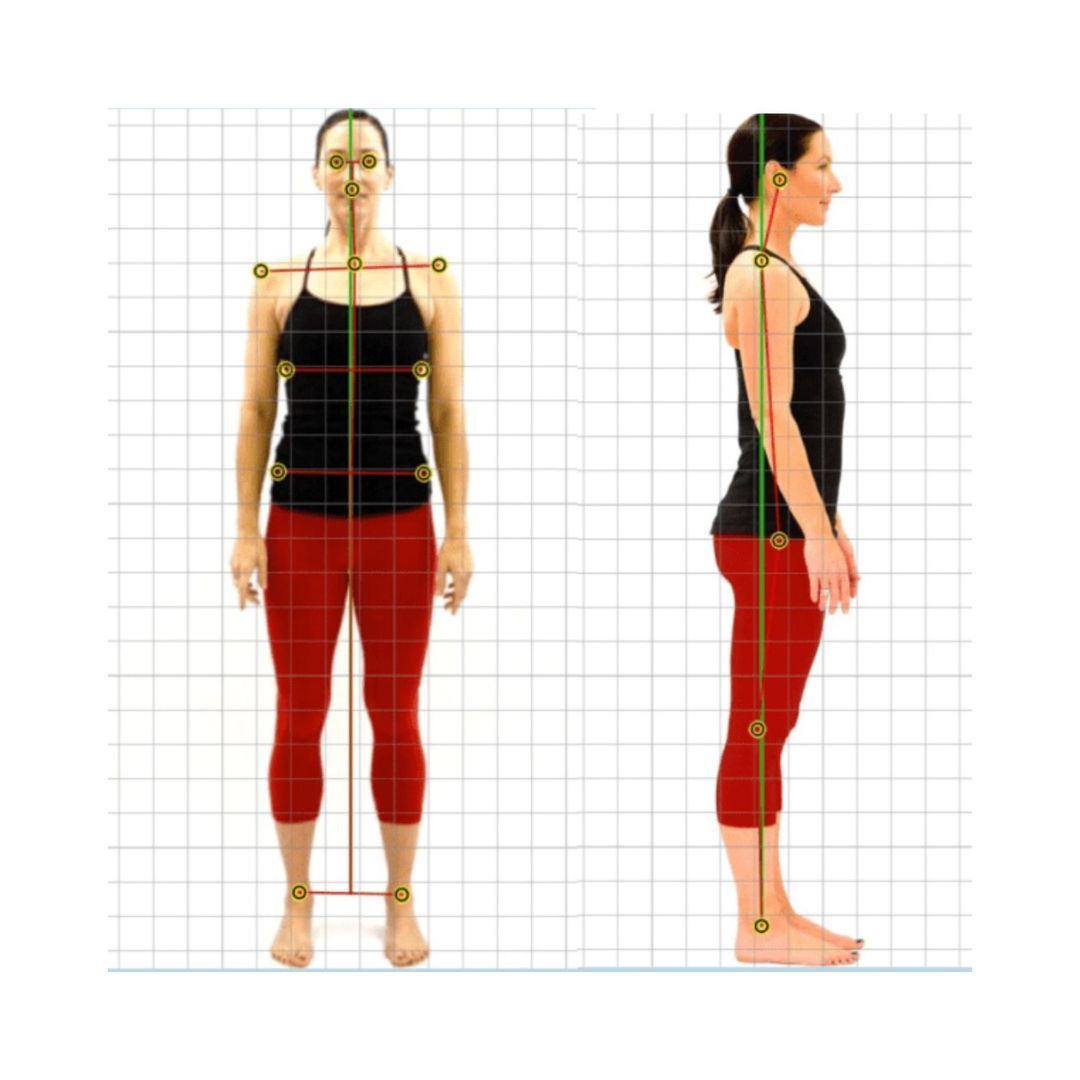
Posture Screening

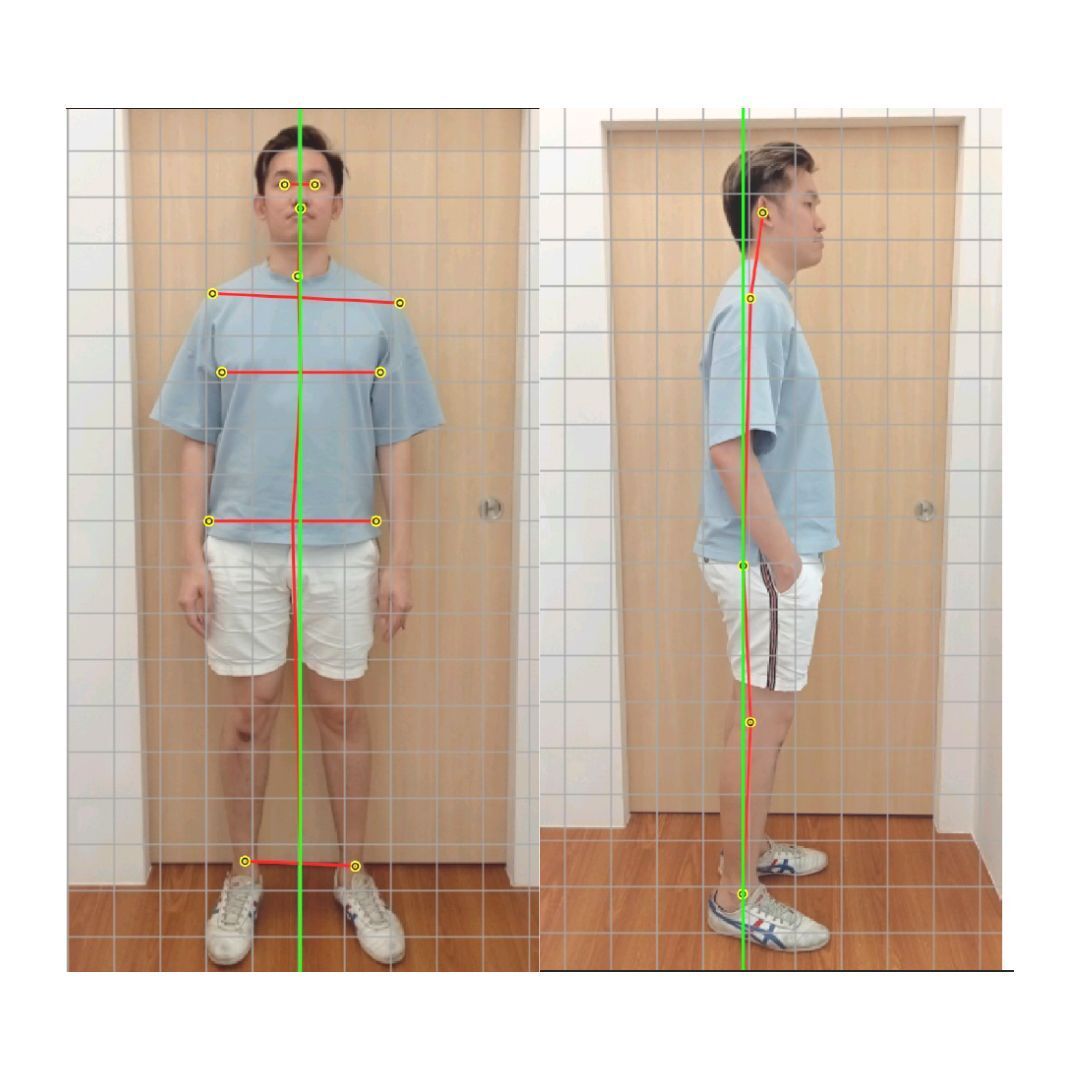
We measure the angles and linear distances of posture displacements from the head down to the ankles for our chiropractors to identify your overall posture alignment. 

1-on-1 Chiropractor's Consultation

1 on 1 consultation with our chiropractor to perform a comprehensive review of your health history as well as understand your day-to-day lifestyle activities. 

Physical Examination

Our chiropractors will perform physical examinations which usually include different assessments such as comparison of muscle strengths, testing range of motion, testing reflexes, carrying out palpation, and conducting orthopedic and neurological tests based on the complaint.

Chiropractic Treatment

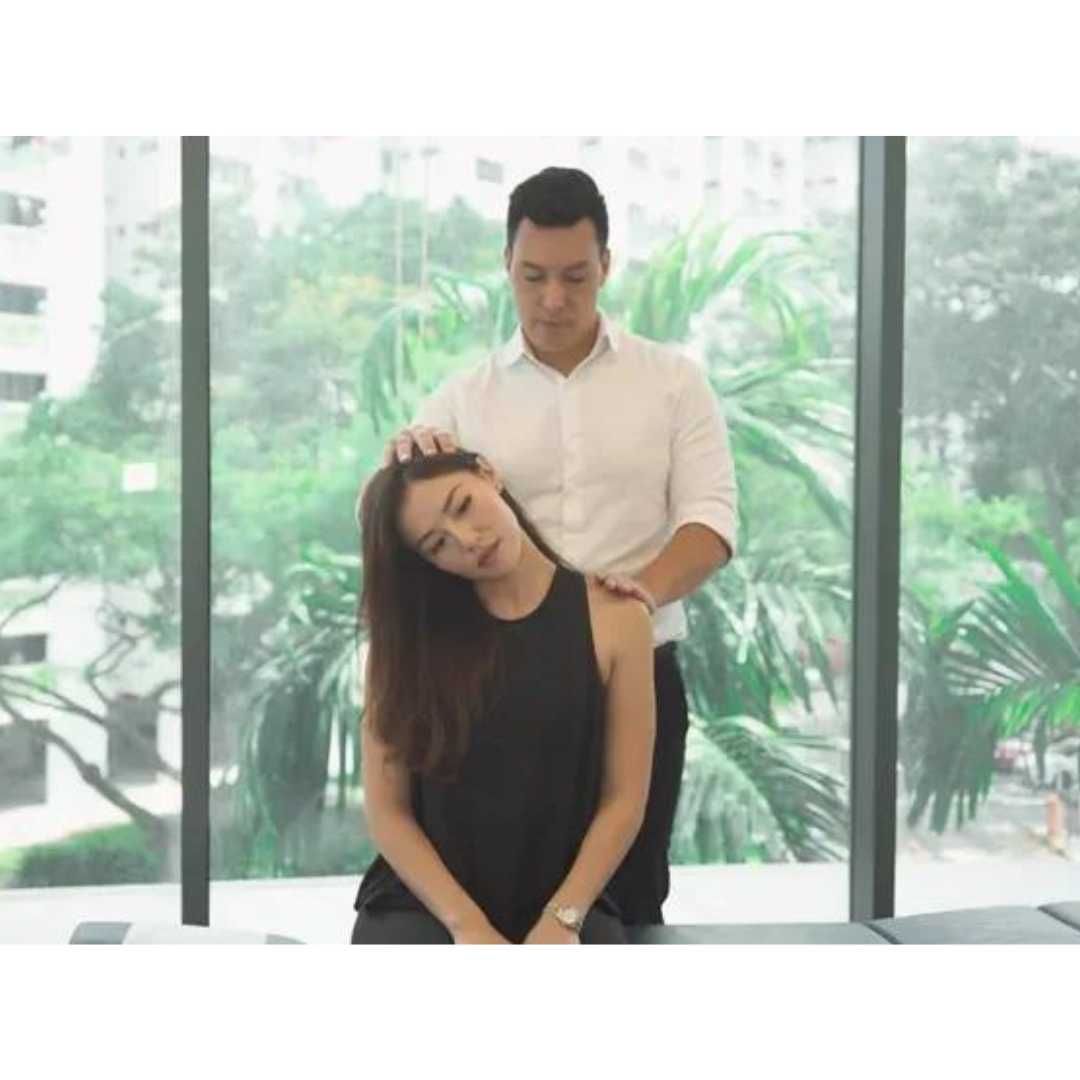
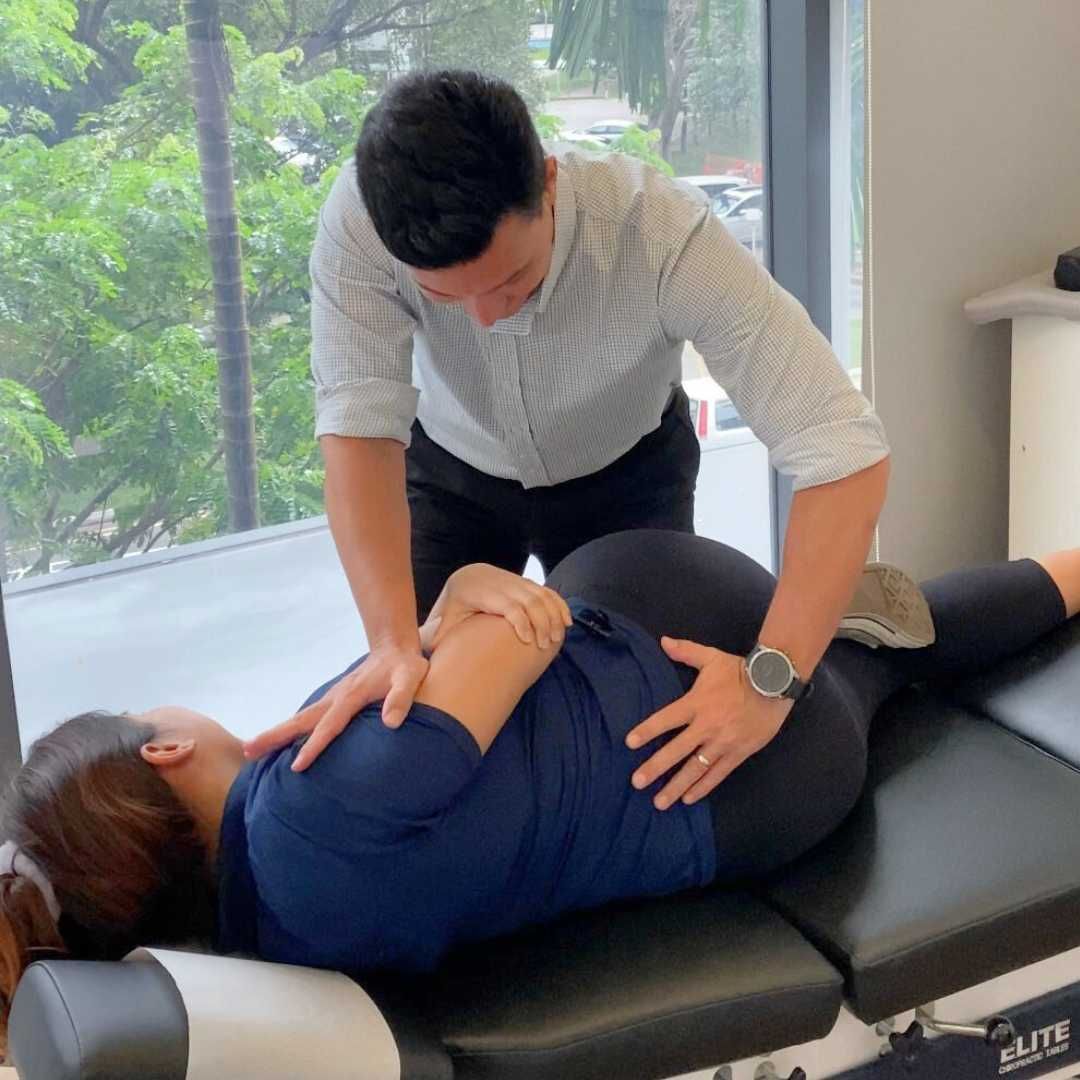
Our chiropractors will use their hands or a small instrument to apply a controlled, sudden force to a spinal joint. The goal of this procedure, also known as spinal manipulation, is to improve spinal motion and improve your body's physical function.

Related Articles

Begin Your Journey: First Consultation at One Spine Chiropractic

Posture Screening

We measure the angles and linear distances of posture displacements from the head all the way down to the ankles for our chiropractors in Clementi to identify your overall posture alignment. 

1-on-1 Doctor Consultation

1 on 1 consultation with our Clementi Chiropractor to perform a comprehensive review of your health history as well as understand your day-to-day lifestyle activities. 

Physical Examination

Our Clementi Chiropractor will perform physical examinations which usually include different assessments such as comparison of muscle strengths, testing range of motion, testing reflexes, carrying out palpation, and conducting orthopedic and neurological tests based on the complaint.

Chiropractic Treatment

Our Clementi Chiropractor will use their hands or a small instrument to apply a controlled, sudden force to a spinal joint. The goal of this procedure, also known as spinal manipulation, is to improve spinal motion and improve your body's physical function.

by Anthony Mu Sung 21 January 2026
Growth spurts are an exciting milestone in a child’s development, but they are also a period when the spine is under heightened physical stress . During rapid growth, children and teenagers in Singapore are more vulnerable to back pain, posture changes, and scoliosis progression , especially during school years when sitting time, screen use, and school bag loads are high. Research shows that rapid growth itself is a higher risk factor for spinal discomfort, even in healthy children . Understanding what happens to the spine during growth spurts allows parents in Singapore to spot early warning signs and protect long-term spinal health . What Is a Growth Spurt and Why Does It Affect the Spine? A growth spurt is a short period of rapid height increase , most commonly between ages 10 and 16 , coinciding with puberty. During this phase: Bones lengthen quickly Muscles and ligaments adapt to new loads Intervertebral discs experience changing mechanical stress Body’s centre of gravity shifts Longitudinal studies show that adolescents who grow faster than their peers, especially during puberty, have a higher risk of developing spinal pain , particularly in their mid and lower back. This confirms that growth itself places additional strain on the spine. Common Spinal Issues During Growth Spurts 1. Back and Neck Pain in Growing Children Back and neck pain are increasingly reported in children in Singapore aged 6 to 18, with puberty identified as a critical onset period . Pain often affects the lower back, mid-back, or neck and may worsen with: Prolonged sitting and screen use Rapid height changes Weak core and postural muscles Heavy or poorly fitted school bags Sports without adequate recovery Public health data confirms that spinal pain in youth is no longer rare and often begins during adolescence rather than adulthood . 2. Posture Changes During Growth Spurts (Tech Neck) Also, during rapid growth, many teenagers develop: Forward-head posture Rounded shoulders Slouching when seated When growth spurts combine with prolonged screen use, the neck and upper back are placed under sustained strain. While bad posture alone does not cause scoliosis , it can increase pain, fatigue, and muscular imbalance in developing teenagers' spines. 3. Scoliosis and Curve Progression During Puberty Adolescent idiopathic scoliosis (AIS) most commonly appears between ages 10 and 18 , aligning closely with peak growth velocity. Research shows that: Rapid growth significantly increases the risk of curve progression Up to 50% of adolescents with scoliosis may experience worsening during growth spurts Risk is highest before skeletal maturity This is why monitoring height changes, posture, and spinal symmetry during puberty is strongly recommended by chiropractors in Singapore. Warning Signs Parents Should Watch For Parents in Singapore should seek professional assessment if their child experiences: Persistent back or neck pain lasting more than a few weeks Pain that worsens with activity or disrupts sleep Uneven shoulders or hips, or a rib hump when bending forward Frequent headaches linked to posture or screen time Reduced participation in sports or physical activity Chiropractic and physiotherapy clinics in Singapore commonly report these patterns in children during growth spurts, especially when school bag loads and sitting time are high. How Chiropractic Care Supports Spinal Health During Growth Spurts Chiropractic care does not alter growth, but it helps the spine adapt more comfortably and safely to rapid physical changes. 1. Posture and Spinal Monitoring Chiropractors in Singapore assess: Posture and spinal alignment Movement patterns and muscle balance Changes over time using posture photos and functional tests This is particularly important for adolescents with pain, posture concerns, or scoliosis risk. 2. Gentle Adjustments and Joint Mobility When appropriate, gentle manual therapy may help: Improve spinal and joint mobility Reduce muscle tension Relieve mechanical stress on growing joints Paediatric and adolescent spine research from research papers supports the careful use of conservative manual therapy to reduce pain and improve function when clinically indicated. 3. Exercise, Strengthening, and Movement Guidance Evidence consistently shows that moderate, regular physical activity protects against back pain in adolescents. Chiropractors in Singapore often recommend: Core and hip strengthening Postural correction exercises Sport-specific advice during rapid growth phases This helps the spine cope better with sudden height and weight changes. Practical Tips for Parents in Singapore To protect your child’s spine during growth spurts: Encourage daily movement: Walking, swimming, cycling, and light strength work are ideal Limit prolonged sitting: Take posture breaks every 30–45 minutes Manage school bag weight: Keep bags within 10–15% of body weight and ensure ergonomic fit Promote good sleep posture: Use an age-appropriate pillow and avoid extreme twisting Schedule regular spinal checks: Especially between ages 10–16, during rapid height changes, or with a family history of scoliosis School bag weight and poor ergonomics are frequently cited contributors to spinal strain during growth spurts in Singaporean children. When to Seek Professional Help Consult a chiropractor, paediatrician, or spine specialist if: Pain is persistent, severe, or worsening Visible spinal asymmetry Family history of scoliosis Your child’s posture or activity level changes significantly Early assessment allows conservative strategies (i.e. posture correction, exercise, monitoring, or referral for bracing or specialist care), to be implemented at the most effective time. Supporting Healthy Growth, Safely Growth spurts place unique demands on a child’s spine. With awareness, early monitoring, and appropriate support, most spinal issues during adolescence can be managed conservatively and effectively . By understanding how growth affects spinal health and addressing posture, movement, school bag habits, and early symptoms, parents in Singapore can help their children grow taller, stronger, and more comfortable, with healthier posture into adulthood. Discover the natural benefits of chiropractic care in Singapore today, and give your child the foundation for lifelong wellness. Book your appointment with our team of experienced chiropractors at One Spine Chiropractic Singapore today: https://clinic.platomedical.com/book/b25lY2hpcm8=/ec3986fdbb7f42129bb8d835822ea7c6
by Anthony Mu Sung 9 January 2026
Carrying heavy school bags is one of the most common contributors to back and shoulder discomfort among children in Singapore. With long school days, full timetables, and daily commutes, kids often carry more than their growing spines can comfortably handle. Over time, this can lead to pain, rounded posture, and strain on developing spinal joints . Why School Bags Matter for Your Child’s Posture and Spinal Health Both research and local clinical data show a clear link between heavy school bags and: Neck and shoulder pain Mid and lower-back pain Fatigue and rounded shoulders Increased stress on spinal discs and joints Health professionals in Singapore commonly suggest that students should carry no more than 10–15% of their body weight . For example, a child weighing 25 kg should generally keep their bag within 2.5–3.5 kg. When this limit is exceeded, children often lean forward or sideways to compensate, a habit that can contribute to posture changes over time . How Heavy Is Too Heavy? A Quick At-Home Method A simple, accurate way to check: Weigh your child. Weigh again with the school bag. Ensure the bag falls within 10–15% of their body weight . This guideline is widely supported by Singaporean schools, chiropractors and ergonomic bag companies. If your child’s bag regularly exceeds this limit, consider lighter books, lockers, digital textbooks, or weight-reduction strategies. Parents who search “best ergonomic school bag Singapore” are essentially asking: which bag best protects my child’s spine? Our experienced chiropractors in Singapore, as well as ergonomic experts, typically recommend evaluating these four features: 1. Choose the Right Size and Fit A goo d bag should: Match your child’s height (not wider than the torso) Sit from shoulders to the top of the pelvis Oversized bags can increase shoulder pull, neck strain, and slouching. 2. Look for Wide, Padded Shoulder Straps They help distribute pressure and reduce discomfort. Adjustable straps ensure the load stays close to the spine . Narrow straps can dig into the shoulders and contribute to muscle tension. 3. Opt for Chest and Waist Straps These straps help distribute the load evenly across the body and keep the bag secure during walking or commuting. They are particularly helpful for kids who walk long d istances or carry heavier items. 4. Opt for Chest and Waist Straps A firm, padded back panel prevents objects from poking into the spine and keeps the weight closer to the body. Multiple compartments can help distribute items evenly and maintain balance. How to Pack a School Bag Correctly Daily mobility work prevents the lower back and hips from tightening up, especially after long hours sitting. Studies show that simple movement routines combined with education are more effective than rest alone . 1. Cat-Cow On hands and knees, slowly arch your back (cat), then gently lower it (cow). Repeat 8–10 times. 2. Pelvic Tilts Lie on your back with bent knees. Flatten your lower back into the floor, hold 3–5 seconds. Repeat 10–15 times. 3. Hamstring Stretch (Using a Towel) Lie on your back. Loop a towel behind one thigh and gently straighten the knee. Hold 15–20 seconds per side. Flexible hips and legs reduce strain on the lower back. How Often Should You Do These Exercises? Studies emphasise consistency over intensity for long-term spinal health . Here's a simple guideline: 10–20 minutes a day Split into short sessions (morning, mid-day, evening) Move gently Stop if you experience numbness or tingling Why Your Chiropractor Wants You to Keep Exercising at Home Studies emphasise consistency over intensity for long-term spinal health . Here's a simple guideline: 10–20 minutes a day Split into short sessions (morning, mid-day, evening) Move gently Stop if you experience numbness or tingling While chiropractic adjustments in Singapore can help realign your spine and restore optimal nervous system function, your muscles and joints need ongoing support between visits. Home exercises help you: Support and maintain your chiropractic adjustments Reduce flare-ups Improve posture and daily movement Strengthen weak areas contributing to pain Long-term studies show that patients who continue simple exercises experience less pain, fewer relapses, and better spinal function over time . For a personalised exercise plan or a guided demonstration, book a consultation with our team of experienced chiropractors at One Spine Chiropractic Singapore today: https://www.onespine.sg/contact-us
Chiropractic clinic in Singapore.
by Anthony Mu Sung 30 December 2025
Simple, chiropractor-approved spine exercises to reduce back and neck pain, improve posture, and support chiropractic care. Trusted Singapore chiropractic clinic.
Chiropractor in Singapore showing guided exercises to chiropractic patient
by Anthony Mu Sung 8 December 2025
Learn how chiropractors in Singapore track progress using tests, scans, posture assessments, and evidence-based tools.
More posts