Why Office Workers in Singapore Are Developing Chronic Neck Pain Earlier Than Ever
The Rise of Chronic Neck Pain Among Working Professionals in Singapore
Chronic neck pain is becoming increasingly common among working professionals in Singapore. Once associated mainly with older adults or physically demanding occupations, it now affects many office workers in their twenties and thirties. Professionals across industries frequently experience recurring neck stiffness, shoulder tension, headaches, upper back discomfort, and reduced mobility.
Several factors contribute to this growing problem. Prolonged sitting, excessive screen time, poor workstation ergonomics, smartphone dependency, and sedentary lifestyles place continuous stress on the neck and spine. The rise of hybrid and remote work has further worsened the issue, as many employees work from home environments that lack proper ergonomic support. In addition, Singapore’s highly digital culture encourages the use of laptops, tablets, and smartphones long after office hours, limiting opportunities for physical recovery.
Although neck pain is often viewed as a normal consequence of office work, persistent discomfort can affect concentration, productivity, sleep quality, energy levels, and overall wellbeing. What starts as occasional stiffness can gradually develop into chronic muscular tension, recurring headaches, and reduced neck mobility.
Why Neck Pain Is Increasing in Singapore’s Office Culture
Singapore’s corporate environment often requires employees to spend long hours seated in front of computers. Unlike physically active occupations, office work keeps the body in static positions for extended periods. This places ongoing stress on the neck, shoulders, upper back, and spine.
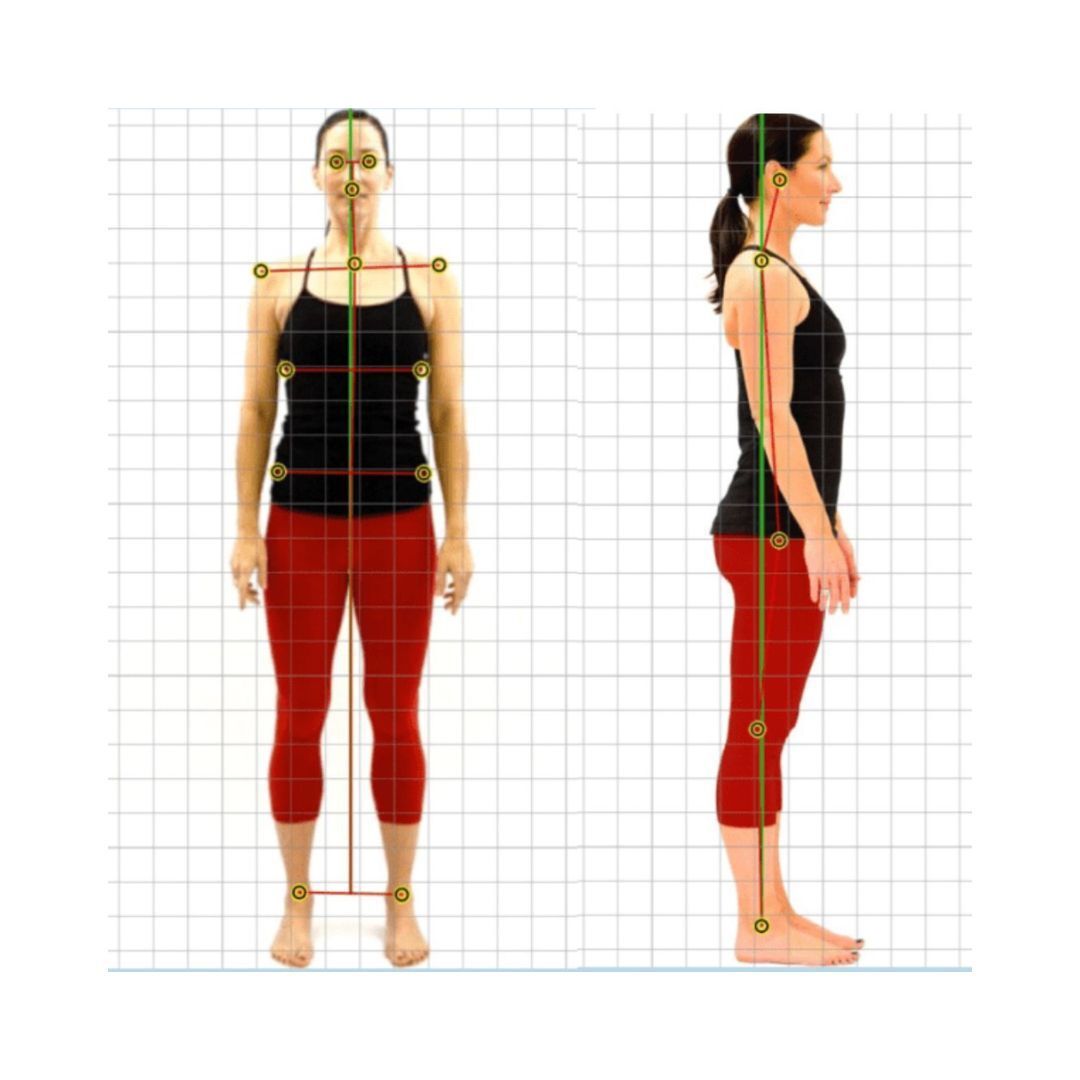
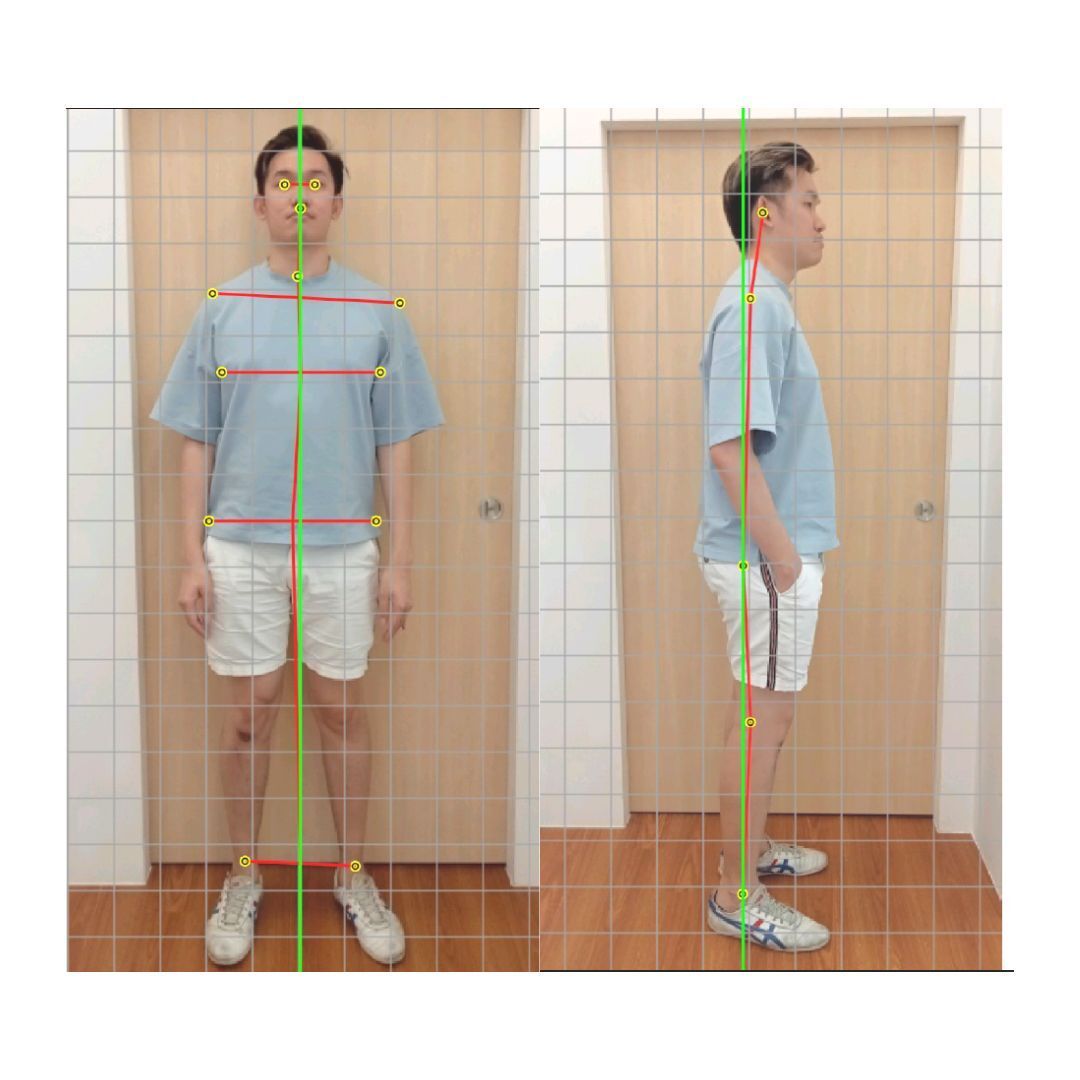
One of the most common postural issues is forward head posture. This occurs when the head shifts forward beyond the shoulders due to prolonged screen use and poor sitting habits. The further the head moves forward, the greater the strain placed on the cervical spine and surrounding muscles. Over time, these muscles become overworked, contributing to chronic pain and stiffness.
Stress is another important factor. During demanding workdays, many people unconsciously tense their shoulders, neck, and jaw muscles. Combined with long periods of sitting, this tension can contribute to headaches, discomfort, and reduced mobility.
Modern lifestyles also involve less movement than before. Many professionals spend most of their day sitting while commuting, working, eating, and relaxing. This lack of activity weakens postural muscles and reduces spinal flexibility, increasing the likelihood of chronic neck pain.
Understanding Tech Neck and Digital Posture Syndrome
One of the biggest contributors to neck pain today is “tech neck”, a condition caused by prolonged downward head positioning while using smartphones, tablets, laptops, and computer screens.
When properly aligned, the human head weighs approximately four to five kilograms. However, as the head tilts forward, the effective load on the cervical spine increases significantly. This additional pressure affects the muscles, ligaments, joints, and discs that support the neck. Over time, poor digital posture may lead to muscle tightness, headaches, shoulder discomfort, upper back stiffness, and chronic spinal stress.
Because Singaporeans spend many hours daily using digital devices, tech neck has become increasingly common. Unlike sudden injuries, it develops gradually, making it difficult to recognise until symptoms become persistent.
How Poor Ergonomics Contribute to Chronic Neck Pain
Workstation ergonomics play a critical role in spinal health. Many office workers unknowingly spend years using setups that place unnecessary strain on their neck and upper back.
Common problems include monitors positioned too low, poorly adjusted chairs, inadequate lumbar support, incorrect desk heights, and improper arm positioning. Laptop use is particularly challenging because users often need to look downward while typing.
Although these issues may appear minor, their effects accumulate over time. Repetitive exposure to poor posture can significantly affect spinal alignment, muscle balance, and movement patterns. Many individuals only address ergonomic problems after symptoms become severe, highlighting the importance of prevention.
The Hidden Effects of Sedentary Lifestyles on Spinal Health
The human body is designed for movement, yet modern office work often involves prolonged sitting with limited physical activity. Extended sitting reduces spinal mobility and weakens the muscles responsible for supporting healthy posture.
As movement decreases, some muscle groups become tight and overactive while others weaken. These imbalances affect how forces are distributed throughout the spine, contributing to discomfort and dysfunction.
Even individuals who exercise regularly may experience neck pain if they remain sedentary for most of the day. Long periods of sitting can reduce circulation, increase muscle fatigue, and cause stiffness throughout the body. Over time, the body adapts to restrictive postures, making movement less comfortable.
Common Symptoms of Chronic Neck Pain
Chronic neck pain often develops gradually and may initially appear as occasional stiffness after long workdays. As the condition progresses, symptoms become more frequent and noticeable.
Common symptoms include:
- Neck stiffness and tightness
- Difficulty turning the head comfortably
- Shoulder tension
- Upper back discomfort
- Muscle fatigue
- Reduced mobility
- Headaches after prolonged screen use
- Pain extending into the shoulders or arms
- Sleep disturbances
- Reduced concentration and productivity
Because symptoms often worsen over time, early intervention is important for maintaining long-term spinal health.
Neck Pain, Headaches, and Stress
Poor posture and chronic neck tension are closely linked to recurring headaches. Tension headaches and cervicogenic headaches often result from tight muscles around the neck and upper back.
When these muscles remain tense, they may place additional stress on surrounding joints and nerves. This can create pressure around the temples, discomfort behind the eyes, or headaches that worsen after prolonged desk work.
Stress frequently intensifies these symptoms. High workloads and emotional pressure often cause individuals to tighten their shoulders and jaw muscles unconsciously. Over time, this contributes to chronic tension, headaches, and reduced neck mobility.
Sleep quality may also suffer, creating a cycle where poor recovery contributes to ongoing discomfort and fatigue.
Why Younger Adults Are Affected Earlier
In the past, chronic neck pain was more commonly associated with ageing. Today, younger adults are experiencing posture-related spinal problems much earlier in life.
Increased screen exposure is a major reason. Smartphones, tablets, laptops, gaming devices, and digital learning environments encourage prolonged forward head posture from a young age. At the same time, remote work, streaming entertainment, food delivery services, and other modern conveniences have reduced daily physical movement.
Combined with workplace stress and sedentary habits, these lifestyle factors create an environment where
chronic spinal tension develops earlier and progresses more quickly than in previous generations.
Prevention and Long-Term Management
Preventing chronic neck pain requires consistent attention to posture, movement, and overall health. Effective posture correction is not about sitting rigidly but about developing healthier movement habits and body awareness.
Helpful strategies include:
- Taking regular movement breaks
- Positioning monitors at eye level
- Using supportive seating
- Avoiding prolonged downward head positioning
- Standing and stretching throughout the day
- Strengthening postural muscles
- Improving flexibility and mobility
- Managing stress effectively
- Prioritising quality sleep
Small lifestyle changes maintained consistently are often more effective than short-term corrective efforts.
Taking Control of Your Neck Health Before Pain Becomes Chronic
Chronic neck pain is becoming increasingly common among Singapore’s working professionals due to prolonged sitting, excessive screen exposure, poor ergonomics, stress, and sedentary lifestyles. While many people accept neck stiffness and shoulder tension as an unavoidable part of office work, persistent discomfort can gradually affect productivity, mobility, sleep quality, and overall wellbeing.
As digital lifestyles continue to evolve, maintaining good posture and prioritising spinal health are more important than ever. Small but consistent changes—such as improving workstation ergonomics, incorporating regular movement throughout the day, managing stress effectively, and addressing posture-related issues early—can significantly reduce long-term strain on the neck and spine.
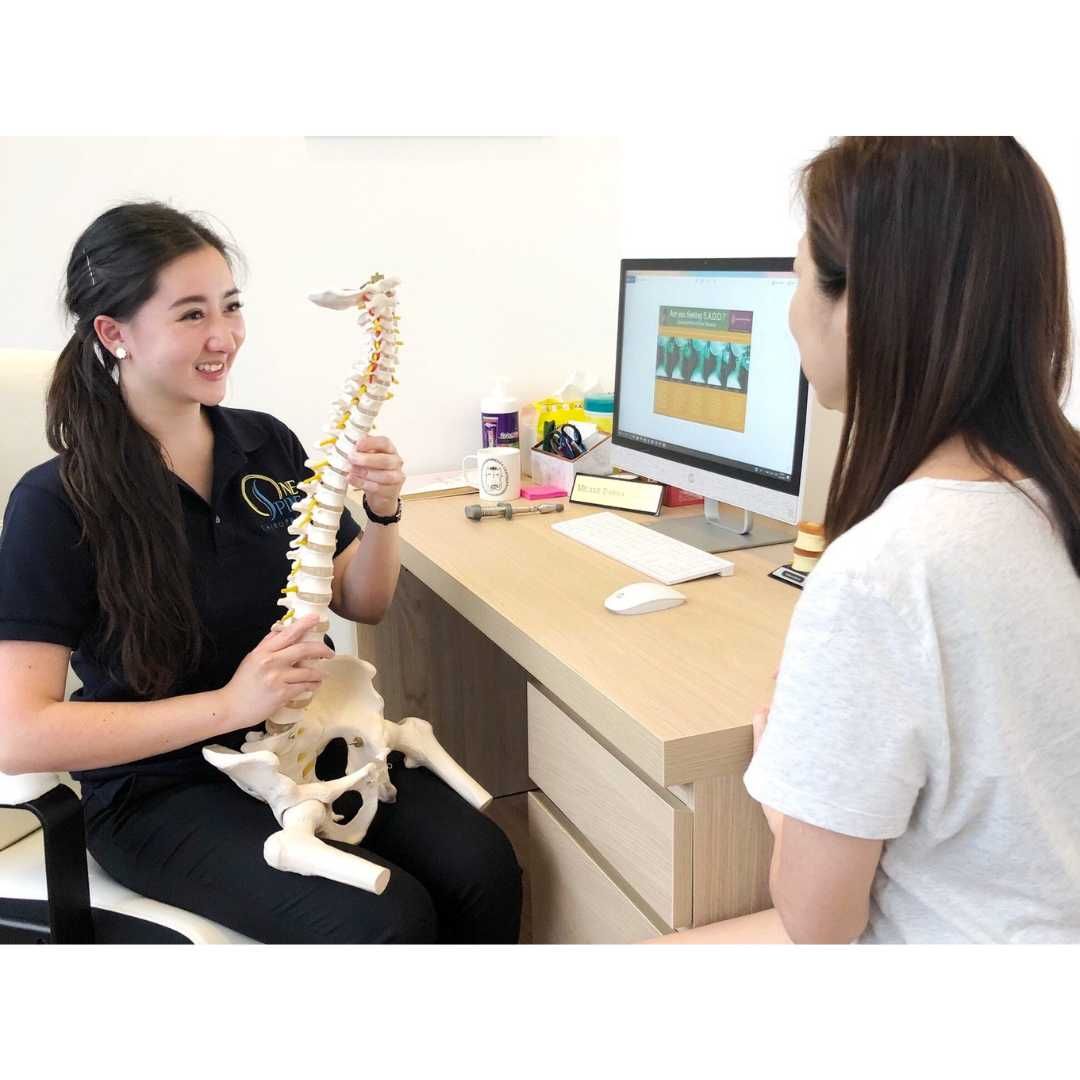
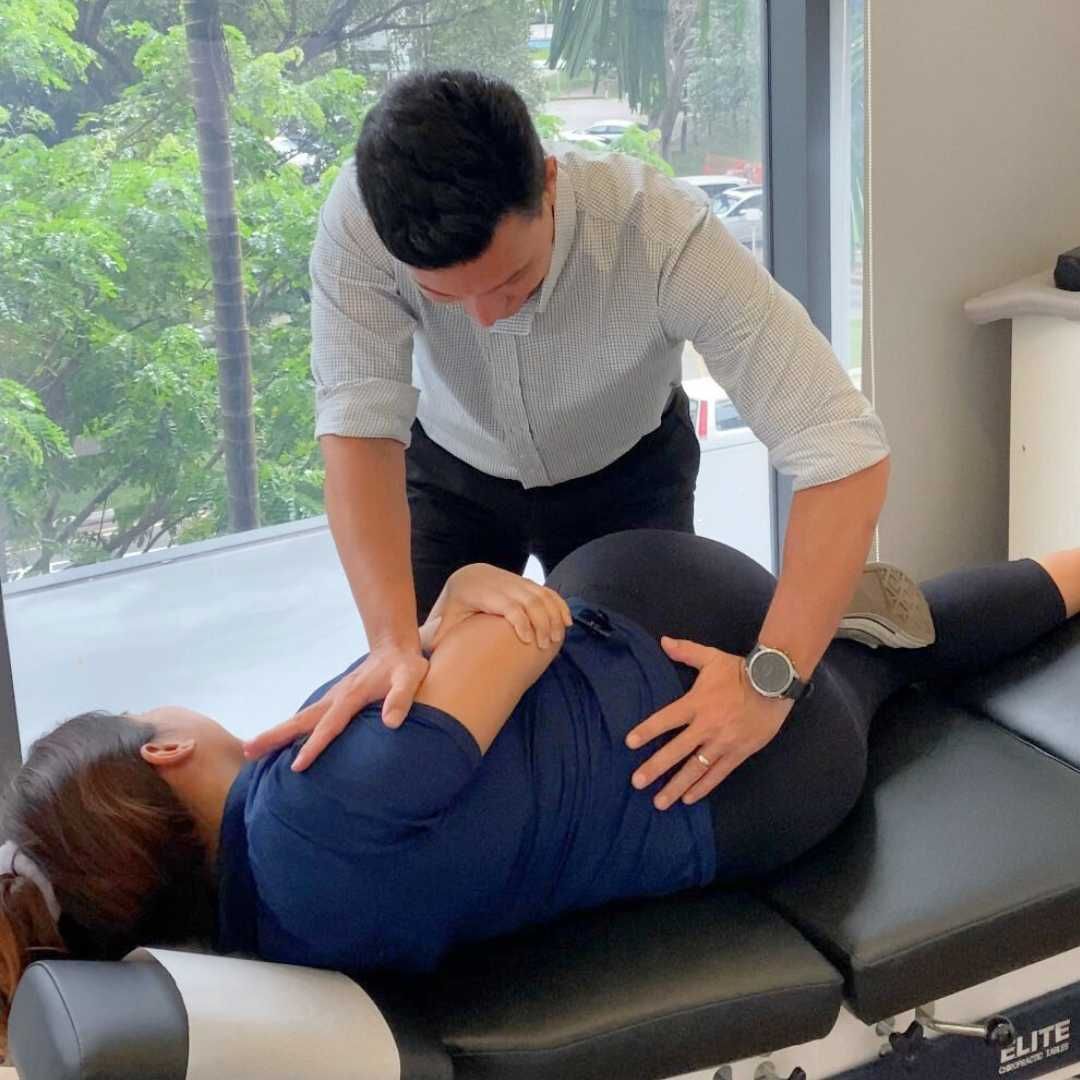
For individuals seeking a proactive approach to musculoskeletal health, chiropractic care may offer additional support through posture correction, mobility improvement, and movement-focused strategies. By taking action before discomfort becomes a chronic problem, working professionals can support healthier neck function, improve daily comfort, and maintain better overall wellbeing in today’s increasingly digital world.
Discover the
natural benefits of chiropractic care in Singapore, book your appointment with our team of experienced chiropractors at
One Spine Chiropractic Singapore today:
https://clinic.platomedical.com/book/b25lY2hpcm8=/ec3986fdbb7f42129bb8d835822ea7c6