Can Poor Posture Cause Headaches? What Many Singaporeans Don’t Realise
Why Headaches Are Increasing Among Working Adults in Singapore
Headaches have become increasingly common among working professionals in Singapore. While many individuals blame stress, fatigue, or lack of sleep, posture-related spinal tension is often an overlooked contributor. Modern working habits have significantly changed how people use their bodies throughout the day. Office workers now spend prolonged hours seated in front of computers while maintaining forward head posture and repetitive screen-focused positions.
At the same time, smartphone dependency has become deeply integrated into daily routines. Many individuals continue using mobile devices during commuting, meals, and late at night before sleep. These repetitive posture habits place continuous stress on the muscles and joints supporting the cervical spine. Over time, chronic muscular tension around the neck and upper back may contribute to recurring headaches, reduced concentration, eye strain, shoulder tightness, and fatigue.
Many people do not immediately associate headaches with posture because symptoms often develop gradually. However, poor posture may significantly affect muscular balance and spinal function.
Understanding Posture-Related Headaches
Posture-related headaches commonly develop when muscular tension and spinal stress affect the neck and upper back. When the head shifts forward during prolonged screen use, the muscles supporting the cervical spine must work harder to maintain stability. Over time, these muscles may become tight, fatigued, and irritated.
This tension often affects the upper trapezius muscles, suboccipital muscles at the base of the skull, and surrounding cervical joints. As muscular tension increases, headaches may begin developing around the temples, forehead, behind the eyes, or at the base of the skull.
Many office workers experience worsening headaches after long hours of computer work or prolonged smartphone use. Unlike migraines, posture-related headaches are often closely linked to muscular tightness, neck stiffness, and prolonged static positioning. The longer poor posture habits continue, the more likely repetitive spinal strain may contribute to chronic discomfort.
How Forward Head Posture Affects the Neck
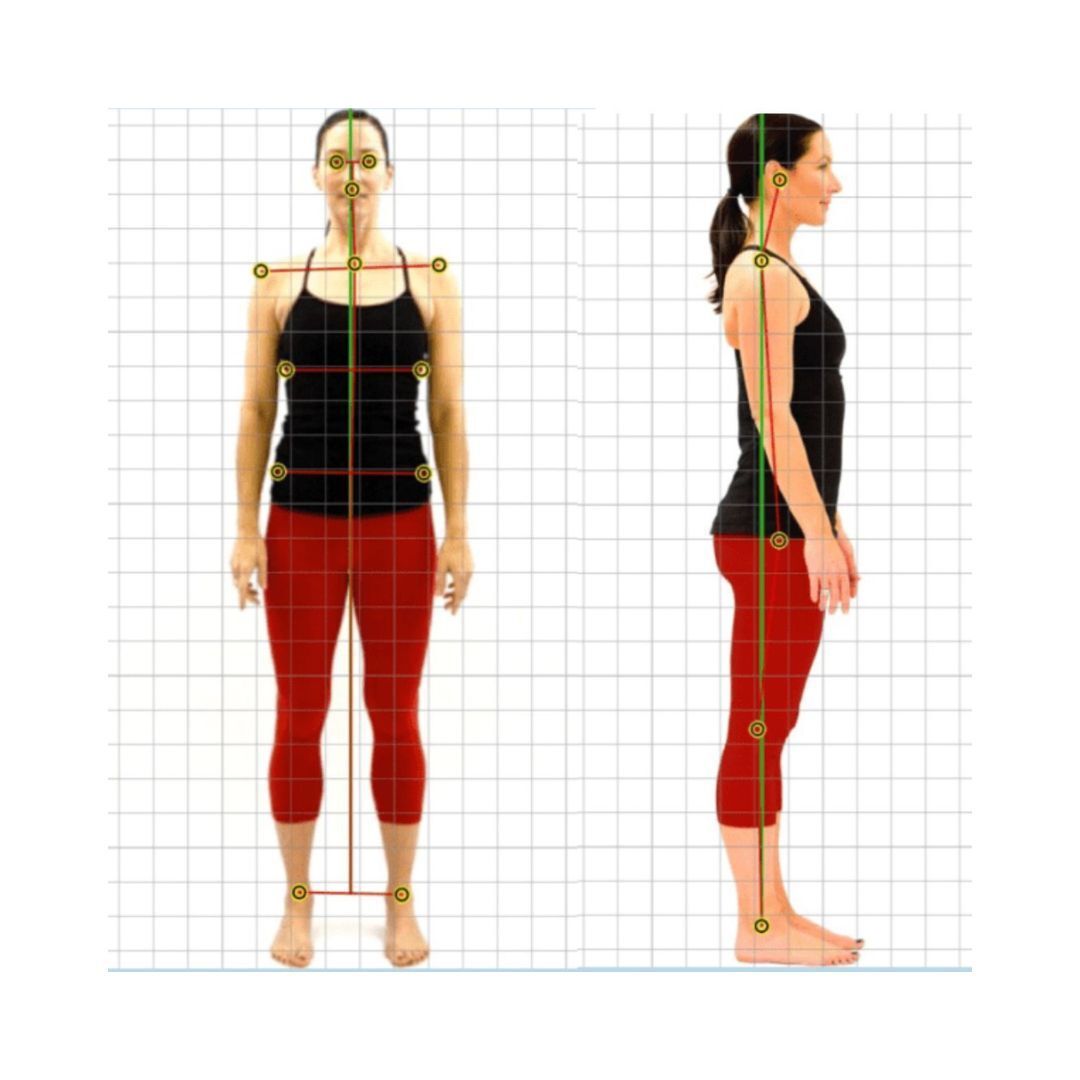
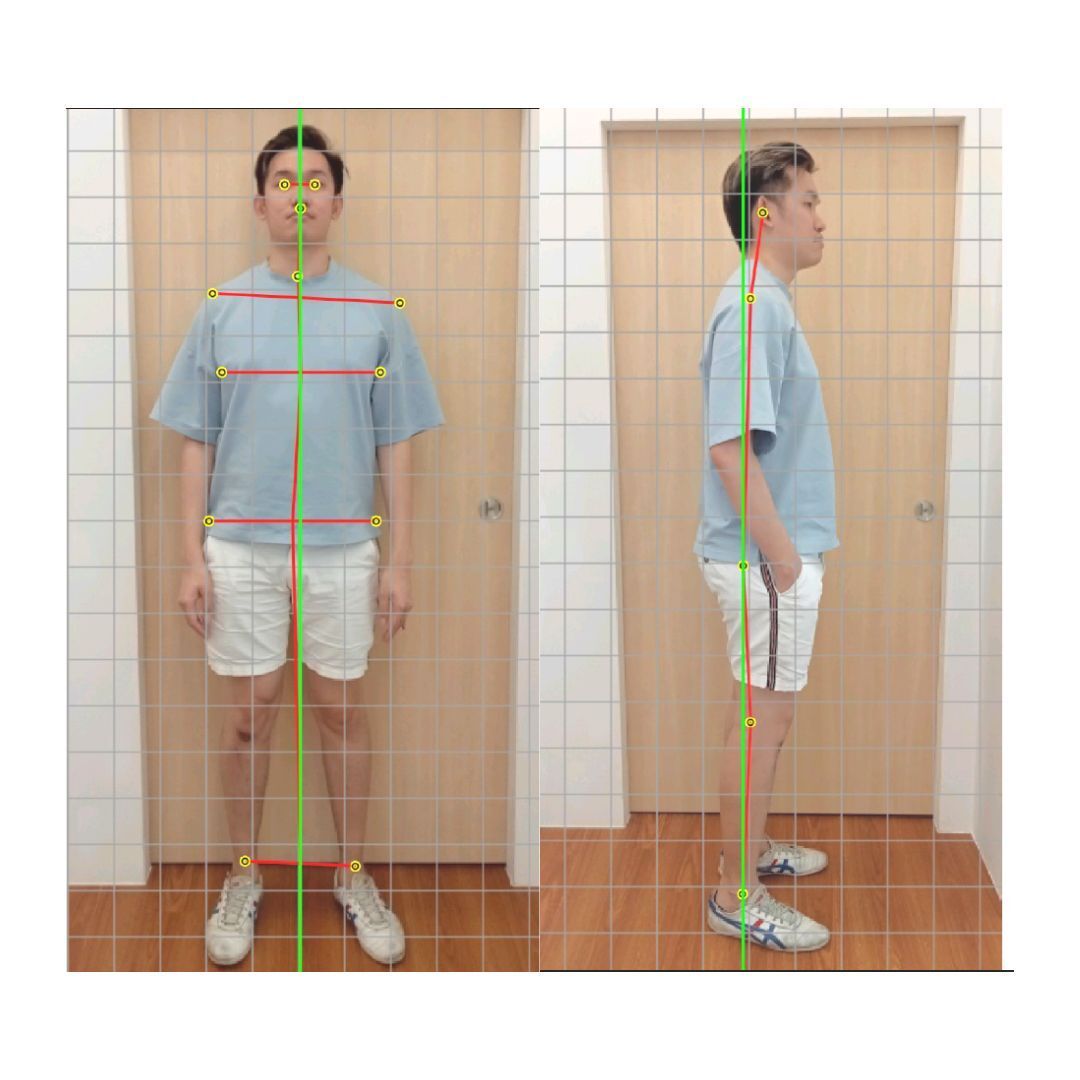
Forward head posture has become one of the most common postural problems among office workers in Singapore. This posture occurs when the head gradually shifts forward in front of the shoulders due to prolonged screen exposure and repetitive device use. Although the change may appear subtle visually, the mechanical stress placed on the cervical spine increases significantly.
The further the head moves forward, the harder the surrounding muscles must work to support its weight. Over time, this constant muscular strain may contribute to stiffness, reduced mobility, upper back tension, and recurring headaches. Many individuals unknowingly maintain this posture throughout the day while working, scrolling on phones, or commuting. Without posture correction and movement awareness, these repetitive habits may gradually worsen over time.
Why Office Workers Are More Vulnerable to Posture Headaches
Singapore’s highly digital working environment has increased the risk of posture-related tension affecting professionals across multiple industries. Many employees spend eight to twelve hours daily seated in front of screens with minimal movement. Unlike physically active jobs involving varied movement patterns, desk-based work encourages prolonged static posture. When the neck and shoulders remain tense for extended periods, muscular fatigue gradually accumulates.
Workplace stress may intensify symptoms further. Many professionals unconsciously tighten their neck muscles and shoulders while concentrating or managing stressful workloads. This combination of prolonged sitting, repetitive screen use, and stress-related muscle tension creates an environment where chronic headaches become increasingly common.
Remote work arrangements have also contributed to worsening posture habits. Improvised home workstations often lack proper ergonomic support, leading to poor sitting positions and increased
neck strain.
The Relationship Between Neck Pain and Headaches
Many individuals experiencing chronic headaches also report recurring neck stiffness and shoulder tightness. The muscles supporting the cervical spine play an important role in head movement and posture control. When these muscles become chronically tense, they may contribute to restricted movement and referred pain patterns affecting the head.
Some individuals experience headaches beginning at the base of the skull before radiating toward the forehead or temples. Others notice symptoms worsening after prolonged desk work or long periods of smartphone use. Because posture-related headaches are closely connected to movement patterns and muscular tension, addressing spinal mobility and posture awareness may help reduce repetitive strain affecting the cervical region.
How Chiropractic Care May Help Support Headache Management
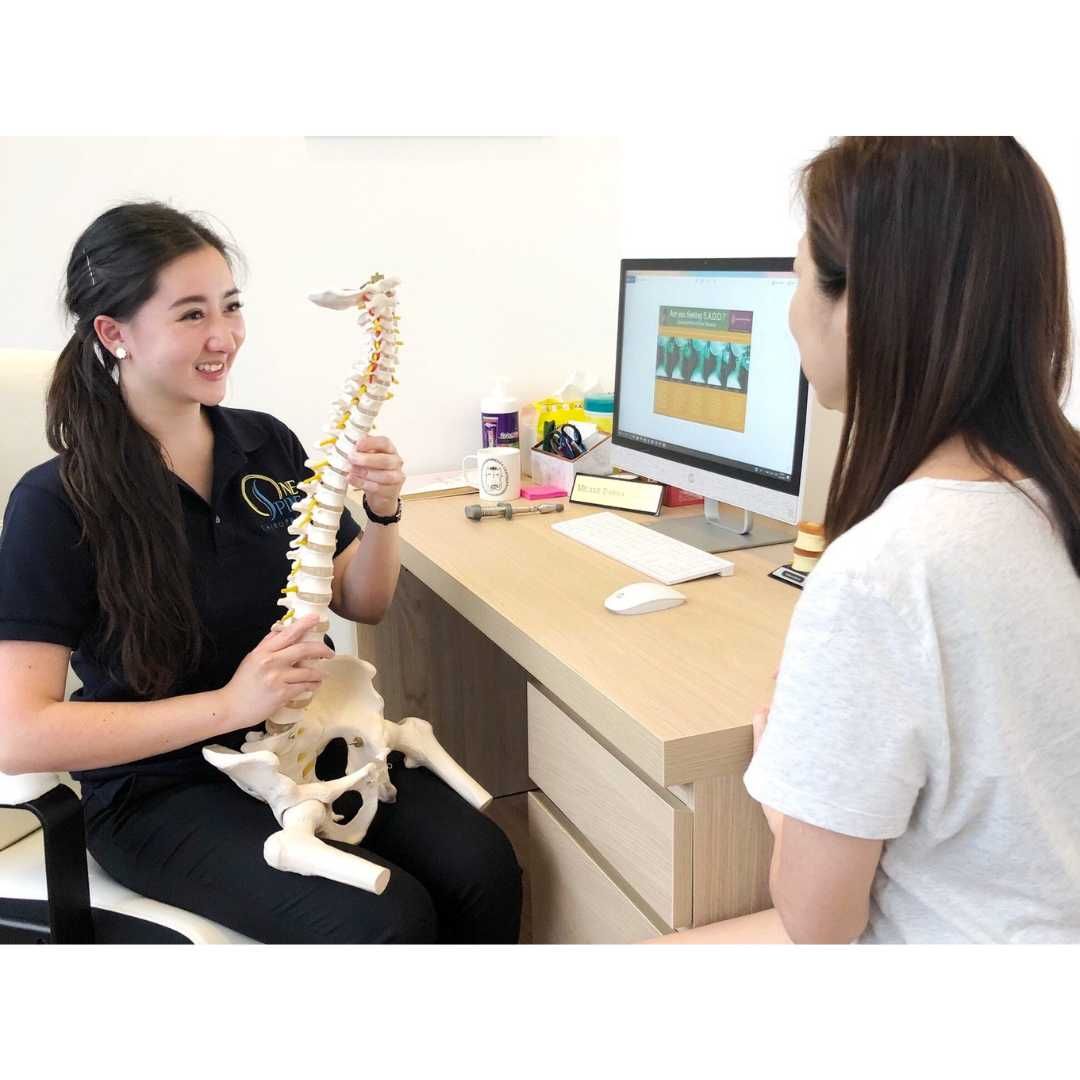
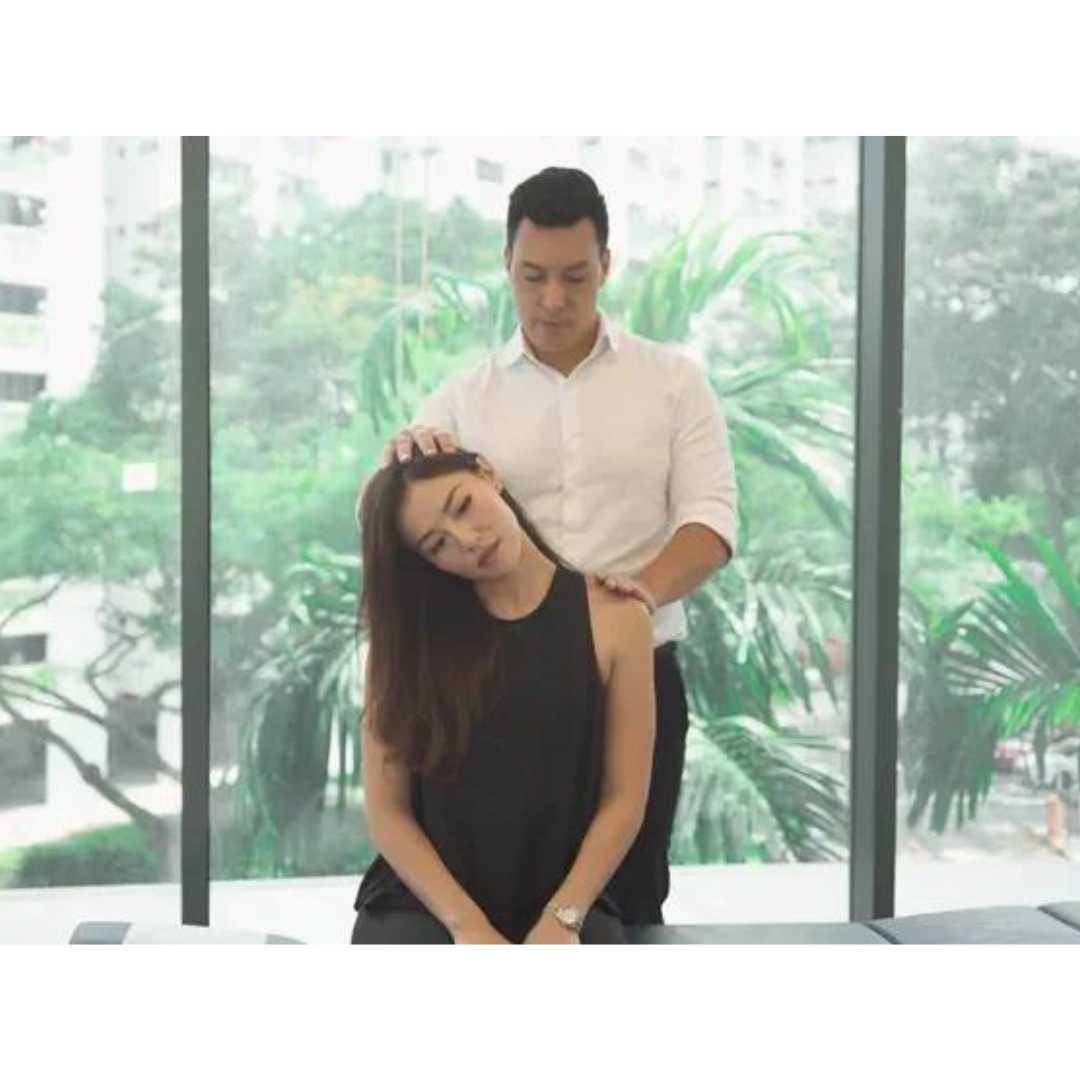
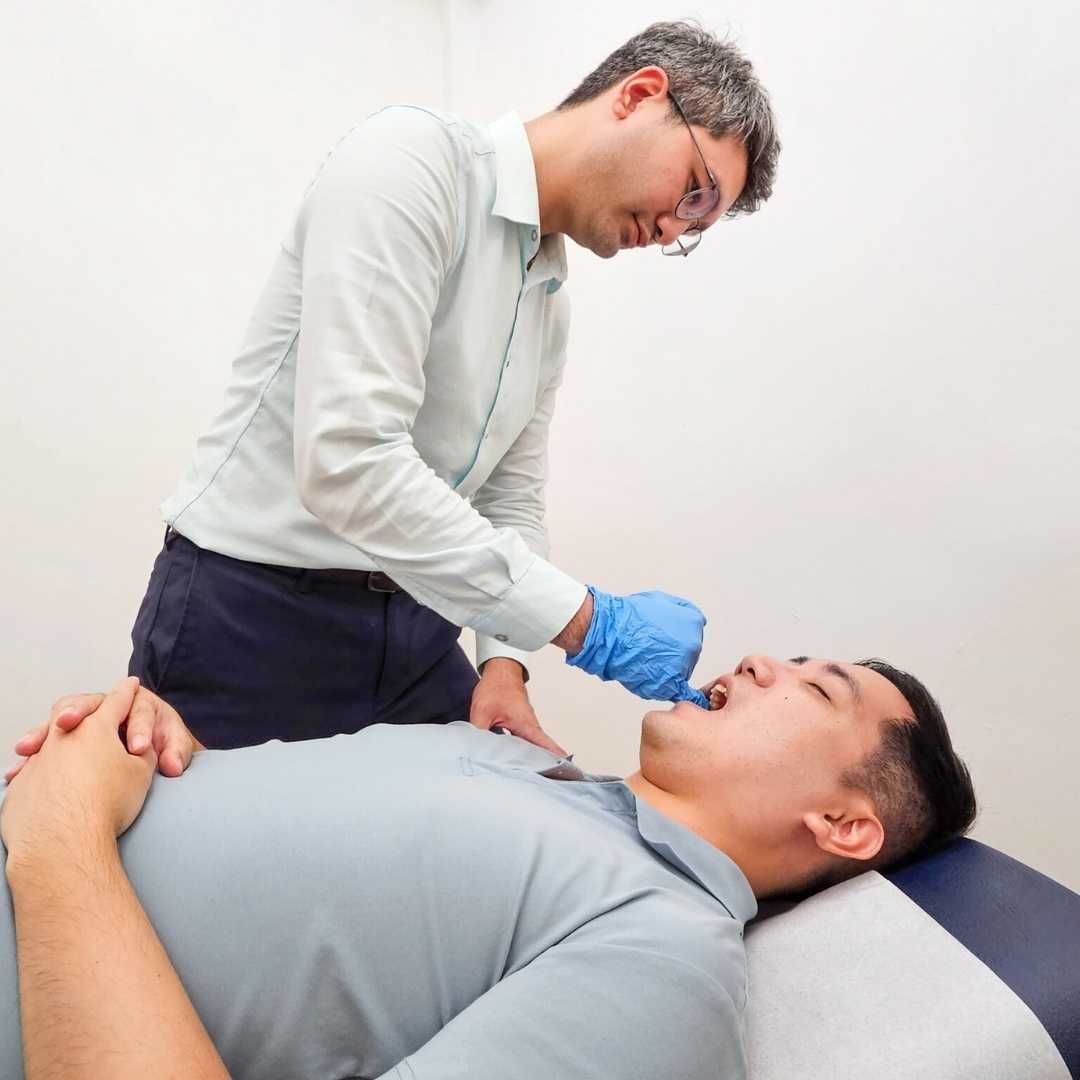
Chiropractic care focuses on spinal mobility, posture, movement quality, and musculoskeletal function. A chiropractor may assess posture habits, cervical mobility, muscular tension, ergonomic setup, and movement restrictions contributing to recurring headaches.
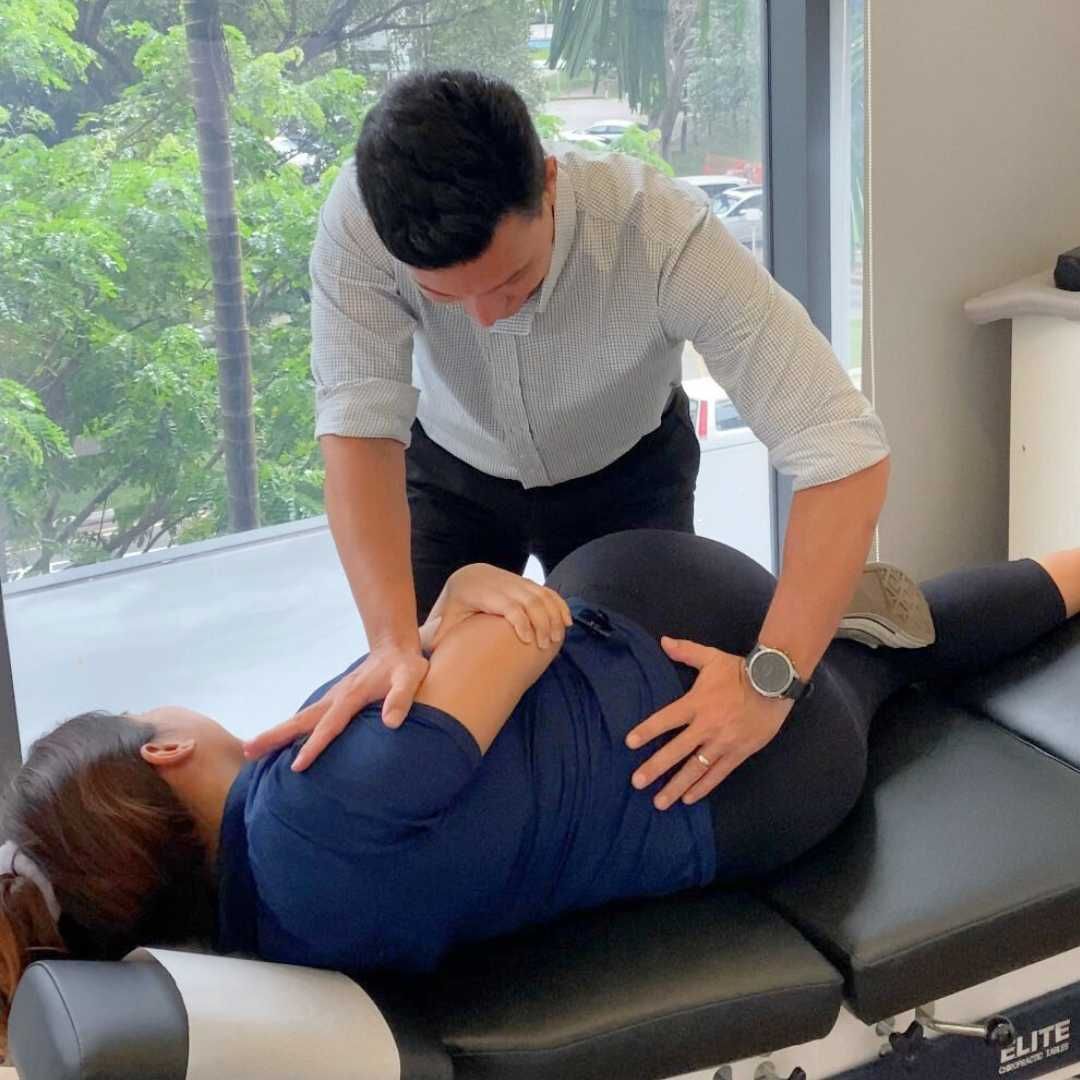
Treatment approaches may include chiropractic adjustments, mobility exercises, posture correction strategies, ergonomic guidance, and soft tissue therapy focused on reducing muscular tension. The goal is often to improve movement quality, reduce repetitive spinal stress, and support healthier posture patterns over time.
For individuals seeking long-term strategies to support posture correction and spinal health, One Spine Chiropractic Singapore may provide supportive approaches focused on mobility, movement quality, and musculoskeletal wellbeing.
Book your appointment with experienced practitioners at One Spine Chiropractic Singapore:
https://clinic.platomedical.com/book/b25lY2hpcm8=/ec3986fdbb7f42129bb8d835822ea7c6