Why Does My Back Hurt After Sitting for a Long Time?
Have you ever sat at your desk for several hours and noticed that your lower back starts to ache, feel stiff or uncomfortable?
You are not alone. Back discomfort after prolonged sitting is common, particularly among people who spend much of their day working at a computer, studying, driving or watching television.
The problem is not always simply that you are "sitting incorrectly." Staying in the same position for too long can place continuous demands on the muscles, joints and other structures involved in supporting your body. Even a relatively comfortable sitting position can become uncomfortable when maintained for hours without enough movement.
Understanding why your back hurts after sitting for a long time can help you make practical changes to your daily routine and recognise when it may be worth getting your symptoms assessed.
What Happens to Your Back When You Sit for a Long Time?
Sitting may seem like a passive activity, but your body is still working to support your head, trunk and pelvis.
When you sit for an extended period, some muscles may remain active for a long time while other parts of the body move very little. Your lower back and surrounding muscles may need to maintain your position continuously, especially when you lean forward towards a computer or phone.
Over time, remaining in one position can contribute to:
- Muscle fatigue
- Stiffness
- Reduced movement
- Increased discomfort
- Tension around the lower back and hips
The longer you remain still, the more noticeable these effects may become.
This is why your back may feel fine when you first sit down but start hurting after several hours.
Is Sitting Bad for Your Back?
Sitting itself is not necessarily harmful.
The bigger issue for many people is prolonged, uninterrupted sitting.
Your body is designed to move. Changing positions, standing, walking and using different muscle groups throughout the day can reduce the amount of time your back spends under the same physical demands.
For example, someone may sit for eight hours while working, drive home while sitting for another hour and then spend the evening on the sofa.
Even if each individual sitting position feels comfortable, the total amount of time spent sitting can add up quickly.
Instead of trying to find one "perfect" sitting posture that you can maintain all day, it is often more useful to focus on regular movement and changing positions.
Why Does My Lower Back Hurt More Than the Upper Back?
The lower back is responsible for helping support much of the upper body, which is one reason discomfort after prolonged sitting is often felt around the lower-back region.
The position of your pelvis can also influence how your lower back feels.
For instance, when you slide forward in your chair and lean backwards, or when you lean forward towards your screen for long periods, your body may adopt a position that feels increasingly uncomfortable over time.
Your hips may also remain bent for hours while sitting, which can contribute to stiffness when you finally stand up and move around.
This can explain why some people experience a combination of:
Lower-back discomfort + hip stiffness + difficulty standing upright after sitting.
How Your Sitting Position May Contribute
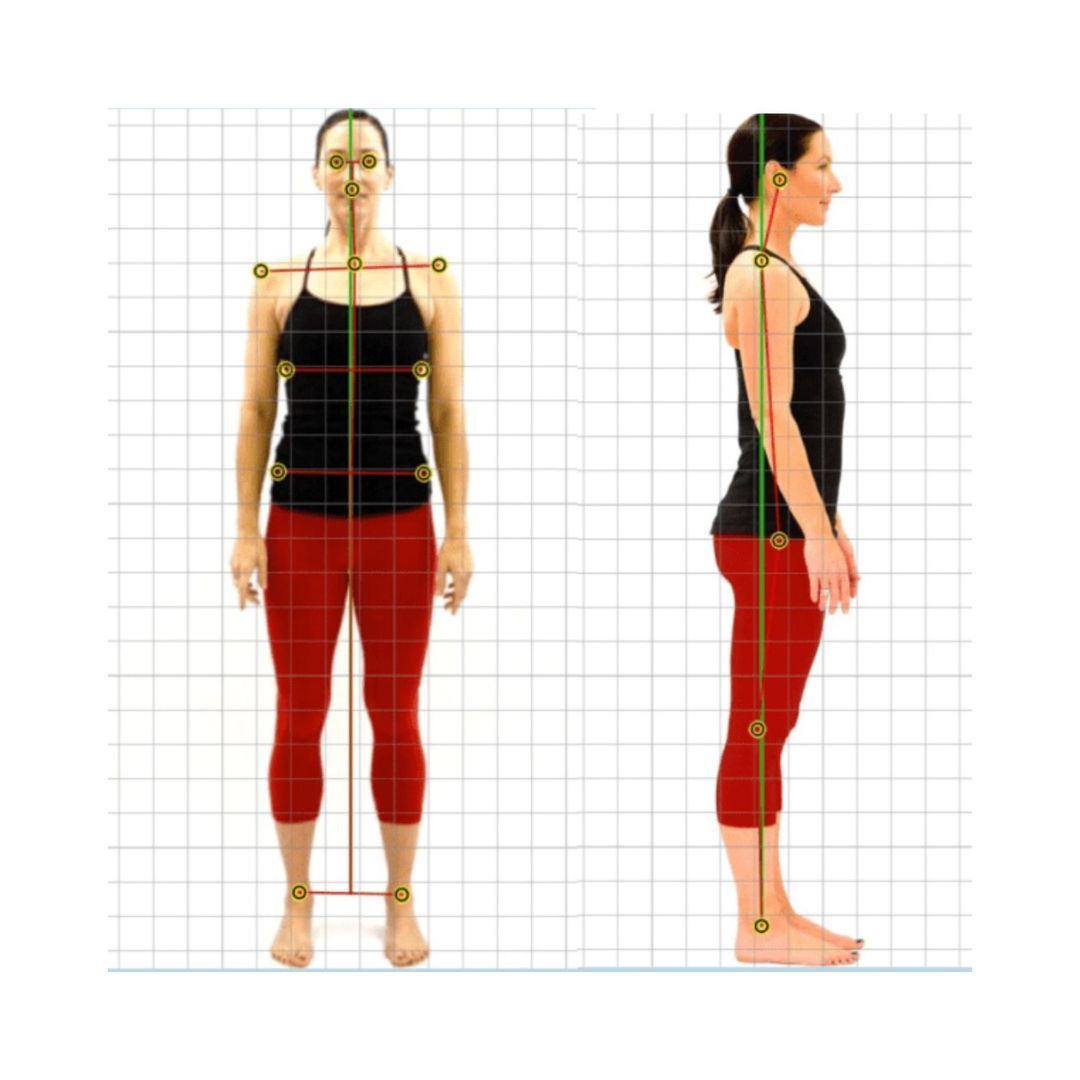
There is no single sitting position that is correct for every person. However, certain habits can make prolonged sitting more uncomfortable.
Leaning Forward
If your monitor is too far away or too low, you may gradually lean forward to see the screen.
You might not notice this at first, but after hours of working, your back and neck can begin to feel tired.
Slouching
When you slouch, your spine and surrounding muscles may be positioned differently compared with sitting upright.
Slouching occasionally is not automatically a problem. The issue is spending a large portion of your day in the same position.
Sitting at the Edge of the Chair
Some people sit very far forward rather than using the backrest. This can make it harder to maintain a comfortable and supported position for long periods.
Crossing Your Legs for Hours
Crossing your legs from time to time is generally not unusual, but remaining in a twisted or asymmetrical position for long periods may make some people feel stiff or uncomfortable.
The key message is not that one position is always bad. It is that staying in one position for too long can be the bigger issue.
Your Desk Setup Can Make a Difference
If you work at a desk every day, small changes to your workstation may help make prolonged periods of sitting more comfortable.
Your screen should be positioned so that you do not have to constantly bend your neck or lean your upper body forward to view it.
Your chair should allow you to sit comfortably with your feet supported and your body reasonably close to your desk.
Your keyboard and mouse should also be positioned so that you do not have to repeatedly reach forward.
However, even an excellent workstation does not eliminate the need to move.
A well-designed chair can make sitting more comfortable, but it does not turn eight hours of uninterrupted sitting into eight hours of healthy movement.
Take Regular Movement Breaks
One of the simplest things you can do is avoid sitting continuously for long periods.
You do not necessarily need a complicated exercise programme every time you leave your chair.
You can simply:
- Stand up
- Walk around the office
- Get a drink of water
- Stretch gently
- Change your sitting position
- Walk during a phone call
- Take the stairs when practical
These small movements break up long periods of inactivity.
For people working at a computer, setting a reminder to stand or move periodically can make this easier to remember.
Why Does My Back Hurt When I Stand Up After Sitting?
Some people notice that their back feels particularly stiff when they first stand.
This can happen because your body has remained in a relatively fixed position for an extended period. Once you stand, the muscles and joints have to transition into a different position and begin moving again.
You may notice:
- Stiffness in the lower back
- Tightness around the hips
- Difficulty standing completely upright immediately
- A few uncomfortable steps before things loosen up
If the stiffness disappears quickly after moving around, it may simply be associated with prolonged inactivity.
However, recurring or worsening symptoms should not automatically be dismissed as "just sitting."
What Can You Do at Home?
If prolonged sitting is making your back uncomfortable, start with simple changes.
1. Change Position Regularly
Avoid staying in exactly the same position for hours at a time.
2. Walk More During the Day
Short walks can help break up long periods of sitting.
3. Check Your Workstation
Look at your chair, desk, monitor, keyboard and mouse placement.
4. Avoid Working From the Same Position All Day
A combination of sitting, standing and walking can be more practical than trying to maintain one posture continuously.
5. Pay Attention to Your Symptoms
Notice when your discomfort appears.
Does it happen after 30 minutes, two hours or only at the end of the workday?
Does standing make it better?
Does walking help?
Does the pain occur every day?
These details can be useful when discussing your symptoms with a healthcare professional.
When Should You Get Your Back Pain Checked?
Not every episode of back discomfort means there is a serious problem. However, persistent or recurring symptoms deserve attention, particularly when they begin affecting your normal activities.
Consider getting your symptoms professionally assessed if your back pain:
- Keeps coming back
- Does not improve with reasonable changes to your routine
- Interferes with work, exercise or sleep
- Is becoming more severe
- Started after an injury
- Is accompanied by numbness, tingling or weakness
Seek urgent medical attention for severe or unusual symptoms such as significant weakness, loss of bladder or bowel control, numbness around the groin or symptoms associated with serious injury or illness.
A professional assessment can help determine whether your symptoms may be related to mechanical, muscular, joint or other factors and whether further medical evaluation is appropriate.
Sitting Less Does Not Mean You Have to Stop Working at a Desk
For many people, sitting is unavoidable. Office workers need to use computers, students need to study, and drivers need to spend time behind the wheel.
The goal is therefore not necessarily to eliminate sitting completely.
Instead, think about creating more movement throughout your day.
Rather than sitting continuously for several hours and only moving when work ends, build small periods of movement into your routine.
Stand while taking a phone call. Walk to speak to a colleague instead of sending a message when practical. Take a short walk during a break. Change your position regularly.
These habits may seem insignificant, but they can make your day less physically repetitive.
Why Does My Back Keep Hurting Even After I Change My Chair?
A new chair may help, but it may not address every factor contributing to your symptoms.
Your daily routine, physical activity, movement patterns, previous injuries, sleep habits and the amount of time you spend sitting can all be relevant.
This is why changing one piece of equipment does not necessarily solve recurring back discomfort.
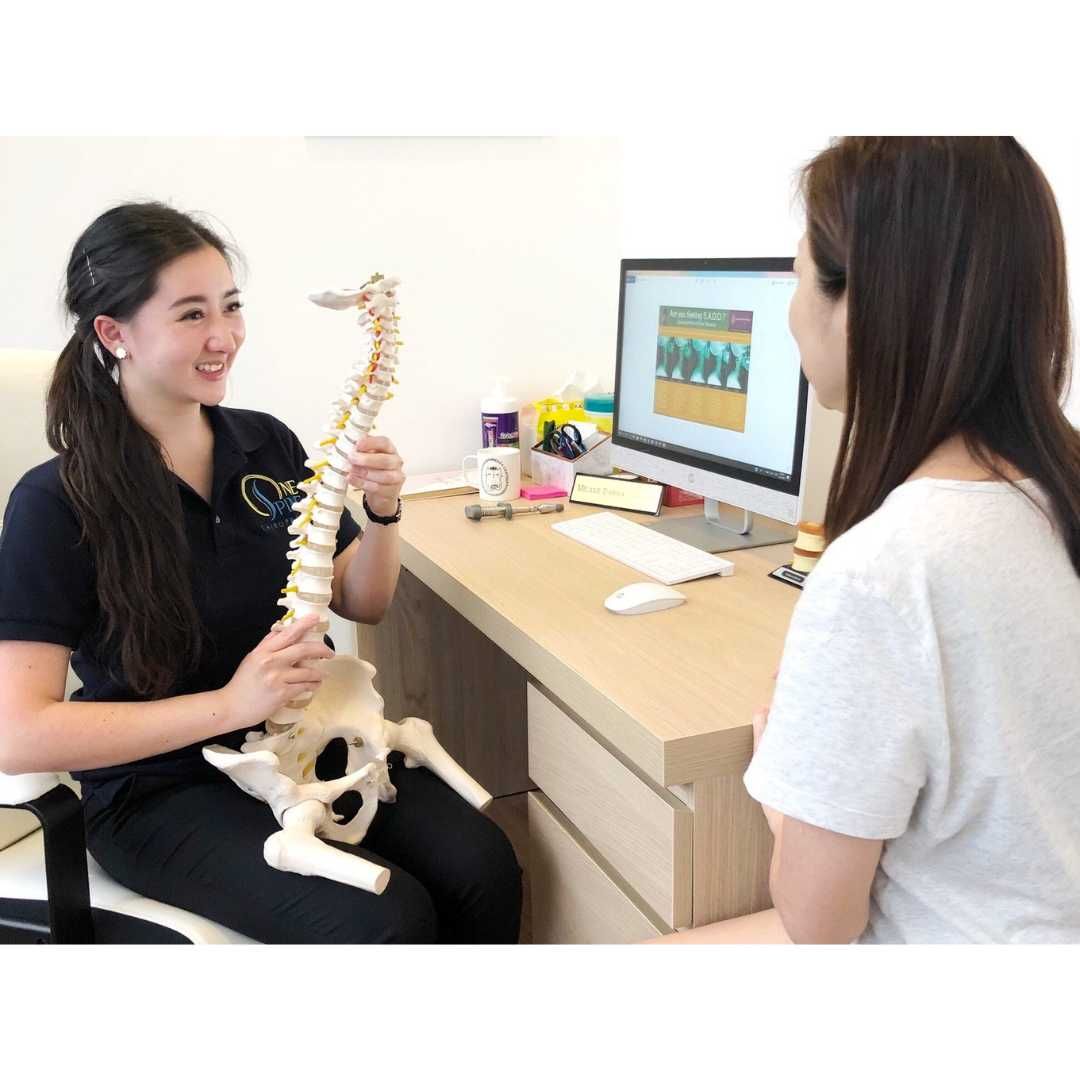
If the problem continues despite changes to your workstation and routine, a proper assessment can provide a more personalised understanding of what may be contributing to your symptoms.
Final Thoughts
Back pain after sitting for a long time can be frustrating, especially when your work or lifestyle requires many hours at a desk.
In many cases, the issue is not simply whether you are sitting "right" or "wrong." Prolonged, uninterrupted sitting can leave the body in a relatively fixed position for too long, contributing to stiffness, muscle fatigue and discomfort.
Start with practical changes: move regularly, vary your positions, review your workstation and pay attention to when your symptoms occur.
When back discomfort becomes persistent, recurring or disruptive to your daily life, it is worth having the problem assessed rather than repeatedly working around it.
Looking for Professional Help for Back Pain in Singapore?
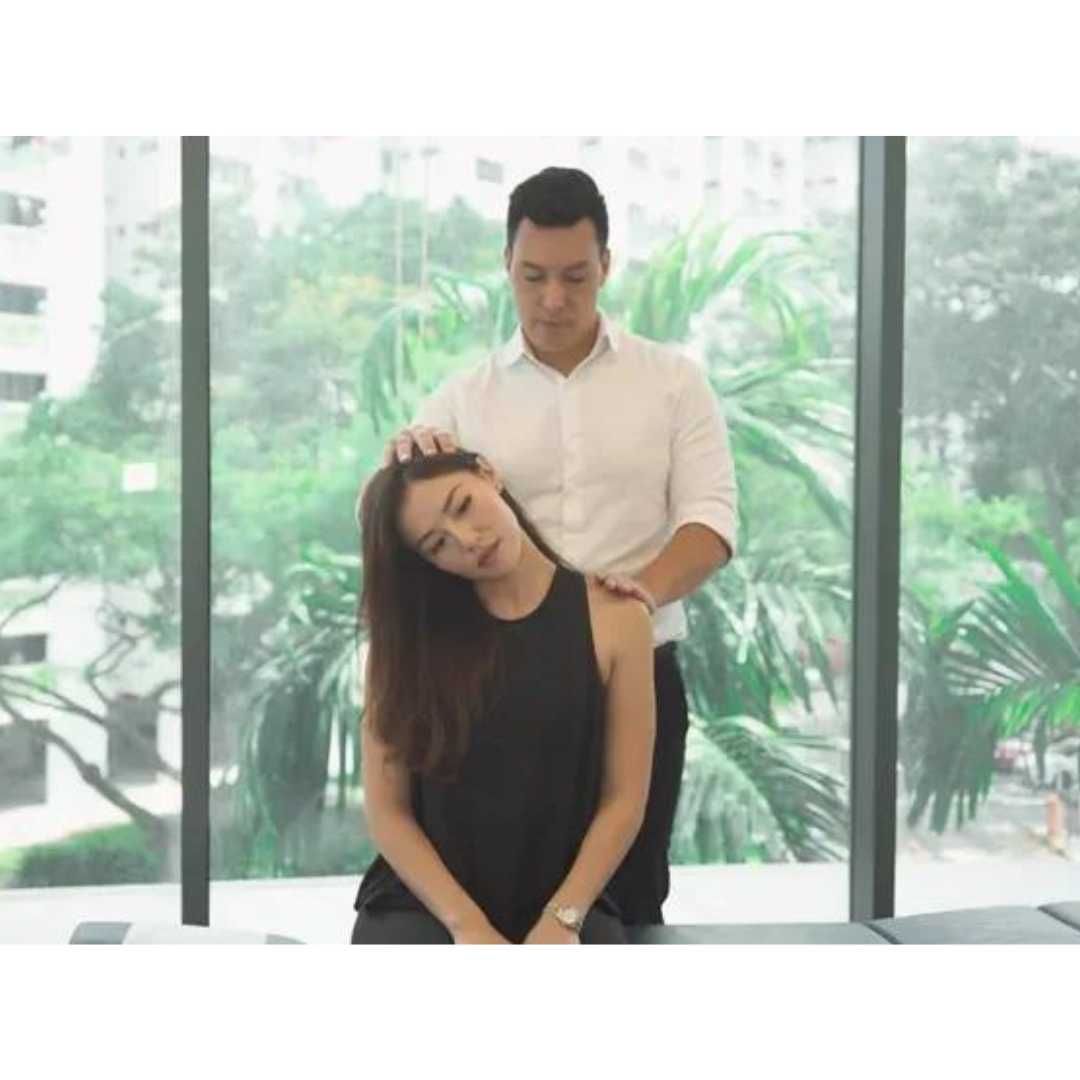
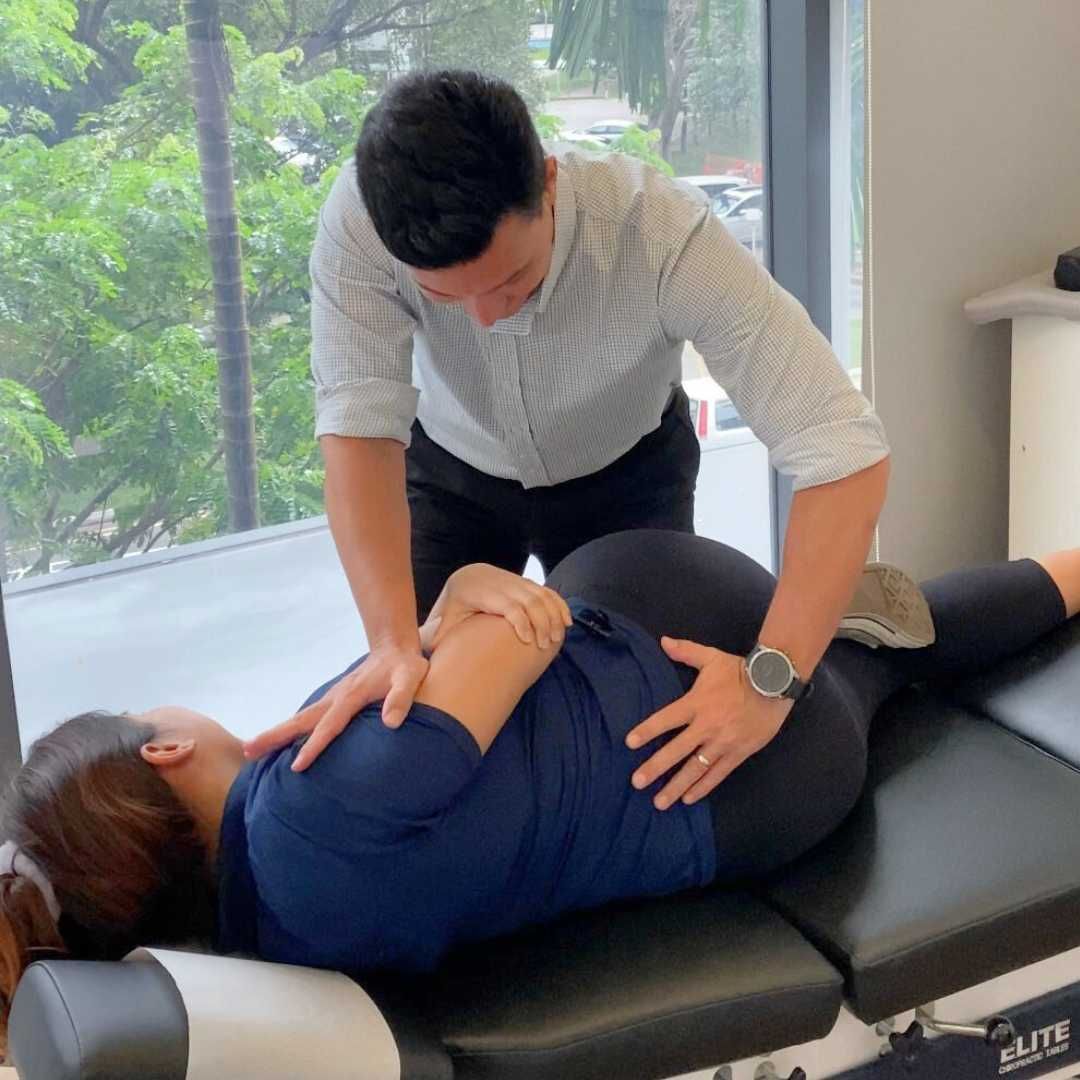
At One Spine, we provide chiropractic care for people dealing with back, neck and other musculoskeletal concerns. We take the time to understand your symptoms, lifestyle and physical condition before recommending an appropriate approach to care.
If your back regularly hurts after long periods of sitting, One Spine can assess your condition and help you better understand what may be contributing to your discomfort. Contact One Spine to arrange a consultation at one of our Singapore clinics.