Adult Scoliosis in Singapore: Why Many People Discover It Years Too Late
Understanding Adult Scoliosis Beyond the Common Misconceptions
Most people associate scoliosis with teenagers. The image that often comes to mind is a school-aged child undergoing a routine health screening and being told that their spine has developed an abnormal curve. What many people do not realise is that scoliosis is not exclusively a childhood condition. Across Singapore, countless adults are living with scoliosis without knowing it, often attributing their symptoms to ageing, long working hours, poor posture, or the physical demands of daily life.
This delayed discovery is surprisingly common. Unlike sudden injuries that produce immediate pain, scoliosis tends to develop gradually. The body adapts to changes in spinal alignment over months or even years. Muscles compensate. Joints adjust. Movement patterns change subtly enough that most people never suspect an underlying spinal issue. By the time symptoms become noticeable, the condition may have been present for decades.
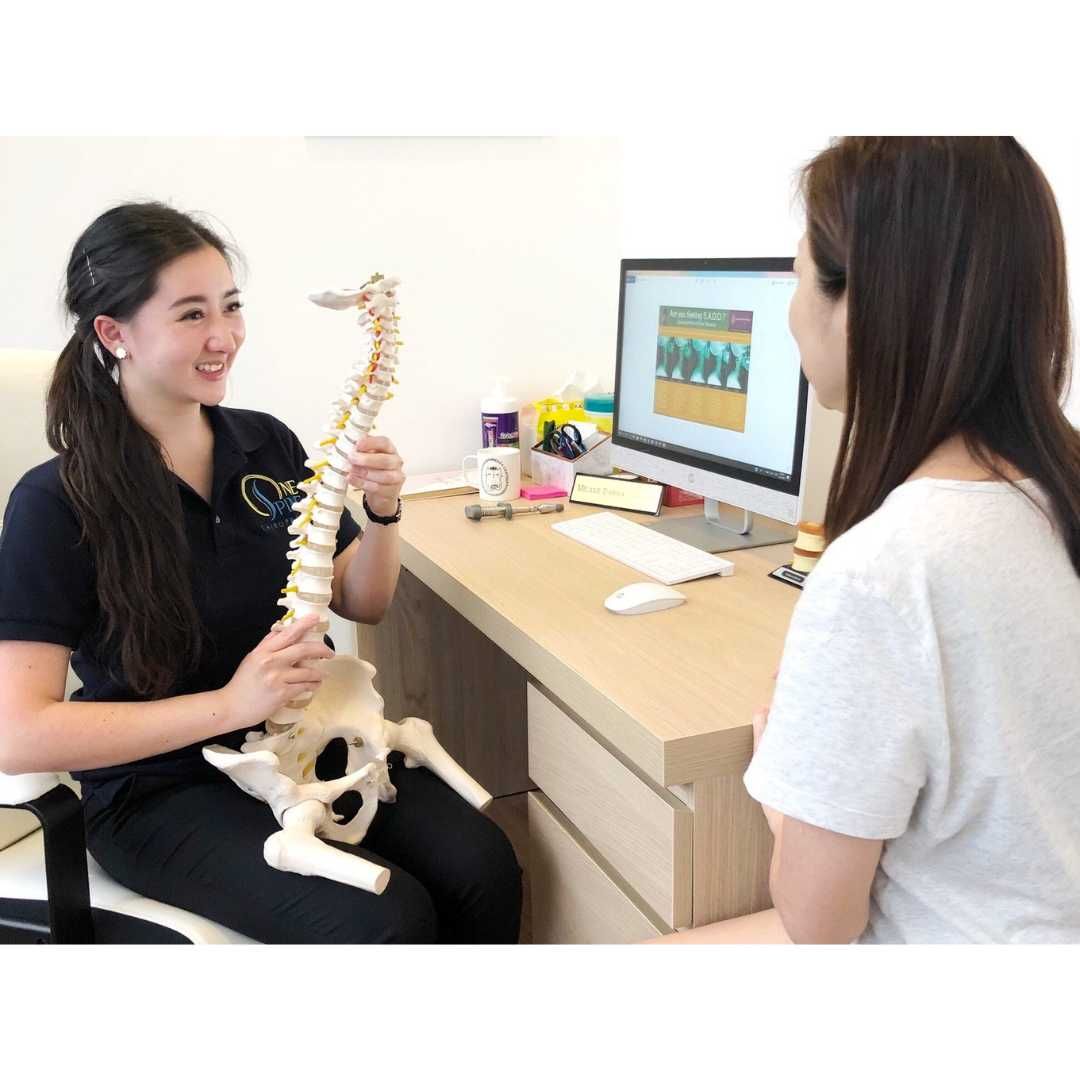
Many patients who visit One Spine Chiropractic after experiencing recurring discomfort are surprised to learn that spinal alignment issues may have been developing long before symptoms became obvious. A professional spinal assessment can often reveal patterns that may otherwise go unnoticed.
What Is Adult Scoliosis?
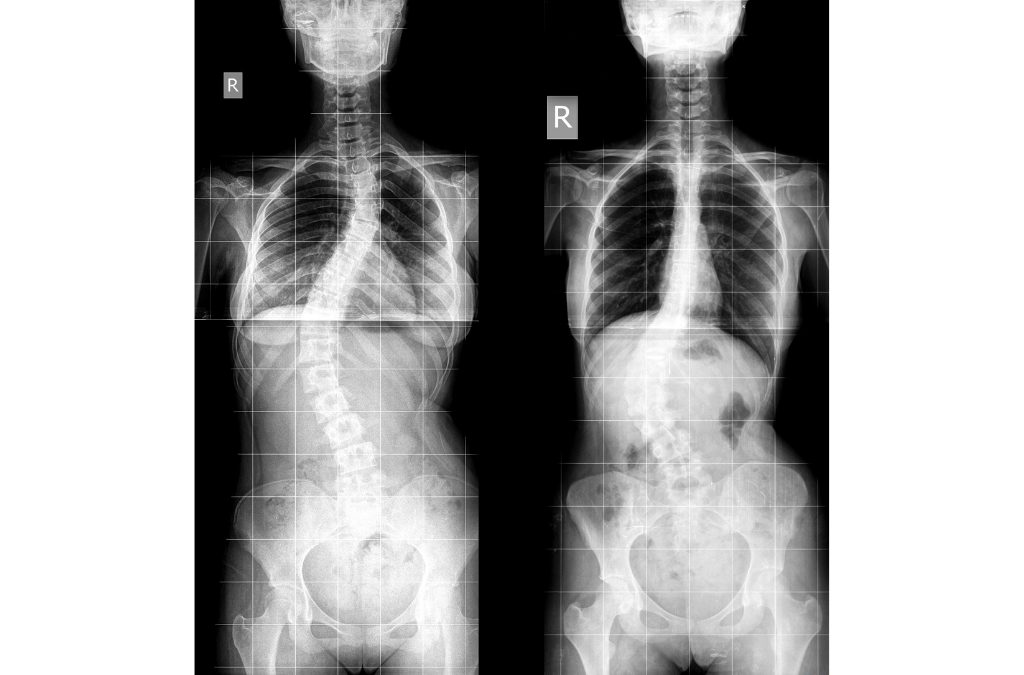
Adult scoliosis refers to an abnormal sideways curvature of the spine that is present after skeletal maturity. Some adults have scoliosis that developed during adolescence but was never diagnosed or treated. Others develop spinal curvature later in life due to age-related degeneration affecting the discs, joints, and supporting structures of the spine.
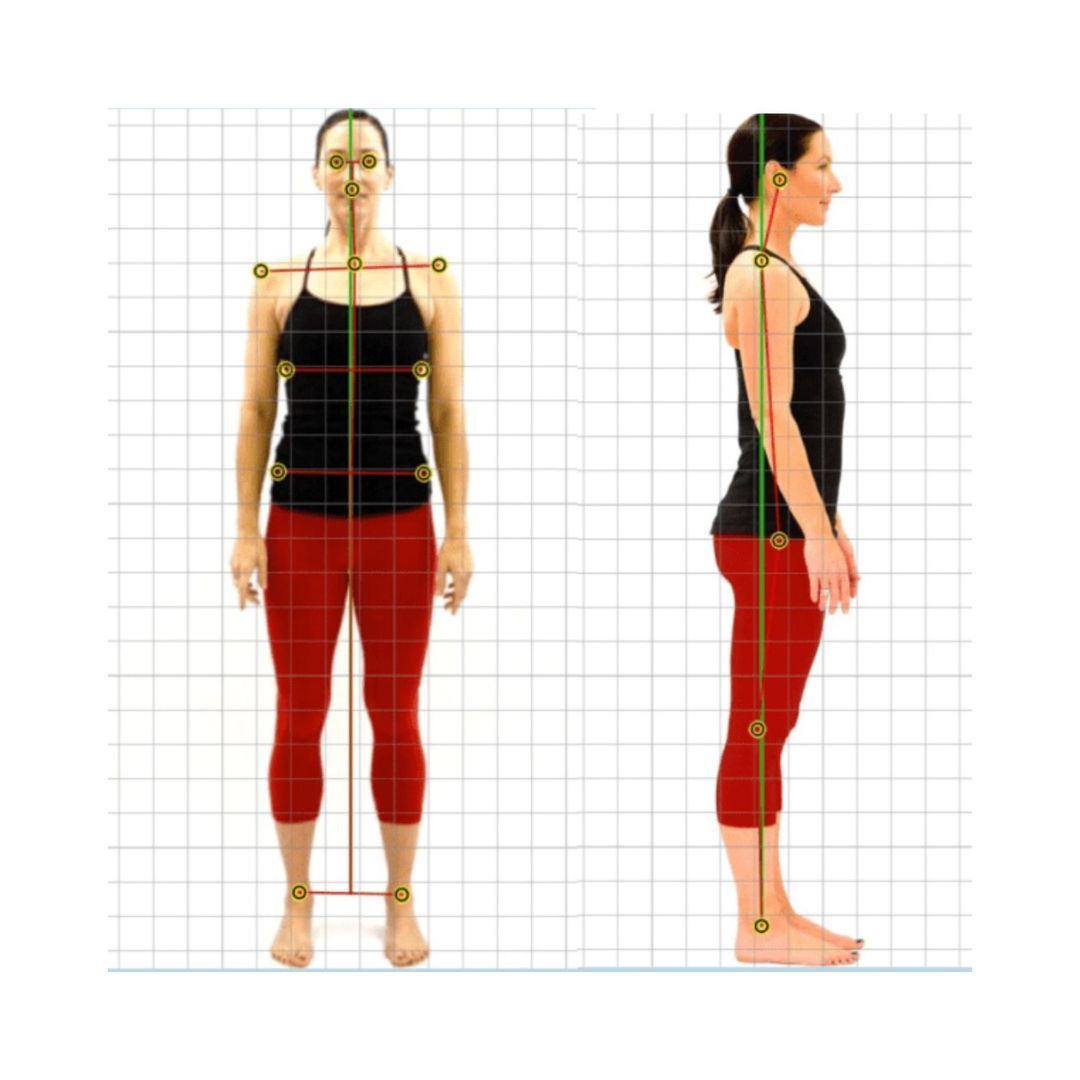
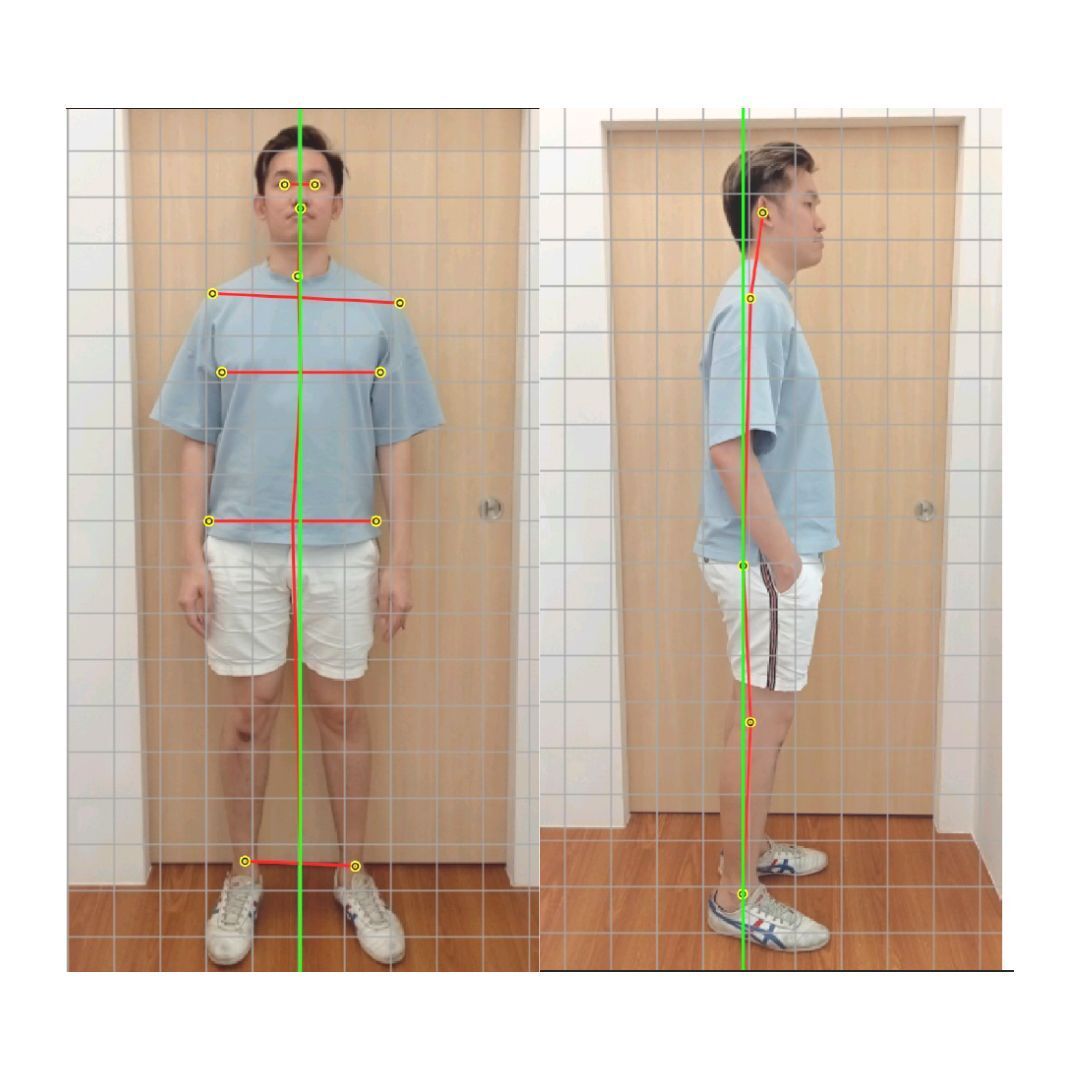
When viewed from behind, a healthy spine should appear relatively straight. In scoliosis, the spine curves to one side, often creating a "C" or "S" shaped appearance. The degree of curvature varies significantly between individuals. Some curves remain mild and stable throughout life, while others gradually progress over time.
What makes scoliosis particularly complex is that it rarely affects only the spine itself. Because the spine serves as the body's central support structure, changes in alignment can influence the shoulders, hips, rib cage, muscles, and overall posture. As the body attempts to maintain balance, compensation patterns develop that may contribute to discomfort and movement restrictions. This is why seeking a dedicated scoliosis assessment can be beneficial for individuals who notice persistent postural imbalances.
Why Adult Scoliosis Often Goes Undetected for Years
One of the reasons adult scoliosis is frequently overlooked is that symptoms do not always appear immediately. The human body is remarkably adaptable. When a spinal curve develops, surrounding muscles and joints often compensate for the imbalance. This compensation can continue for years before noticeable symptoms emerge.
Many adults assume their discomfort is simply part of modern life. Long hours at a desk, poor sleeping habits, stress, and lack of exercise are often blamed for recurring aches and pains. While these factors can certainly contribute to discomfort, they may also mask underlying spinal conditions.
In Singapore, where many professionals spend extended hours sitting in front of computers, this misconception is particularly common. When back pain develops after a long workday, scoliosis is rarely the first explanation that comes to mind. As a result, many individuals continue managing symptoms without understanding the underlying cause.
Those who experience persistent symptoms often begin searching for solutions related to
poor posture correction or chronic muscular tension before realising that spinal curvature may be contributing to the problem.
The Connection Between Scoliosis, Posture, and Chronic Back Pain

The spine plays a critical role in distributing forces throughout the body. When spinal alignment changes, the body's mechanics change as well. Certain muscles become overworked while others become weaker. Some joints experience greater pressure than they were designed to handle. Over time, these imbalances can contribute to chronic discomfort.
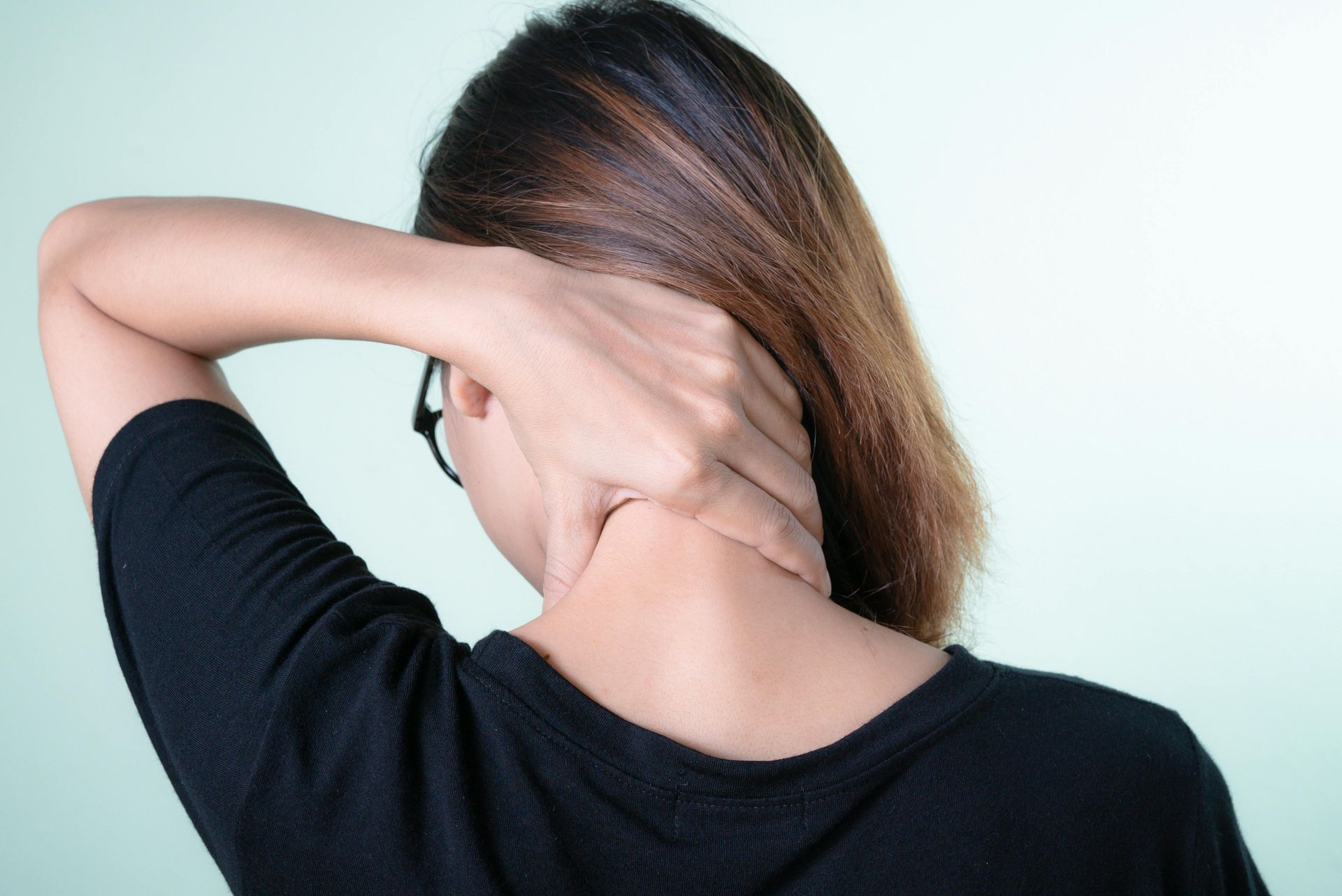
This helps explain why scoliosis is often associated with recurring neck pain, shoulder tension, mid-back stiffness, and lower back discomfort. The pain itself is not always caused directly by the spinal curve. Instead, it frequently arises from the body's ongoing effort to compensate for uneven loading patterns.
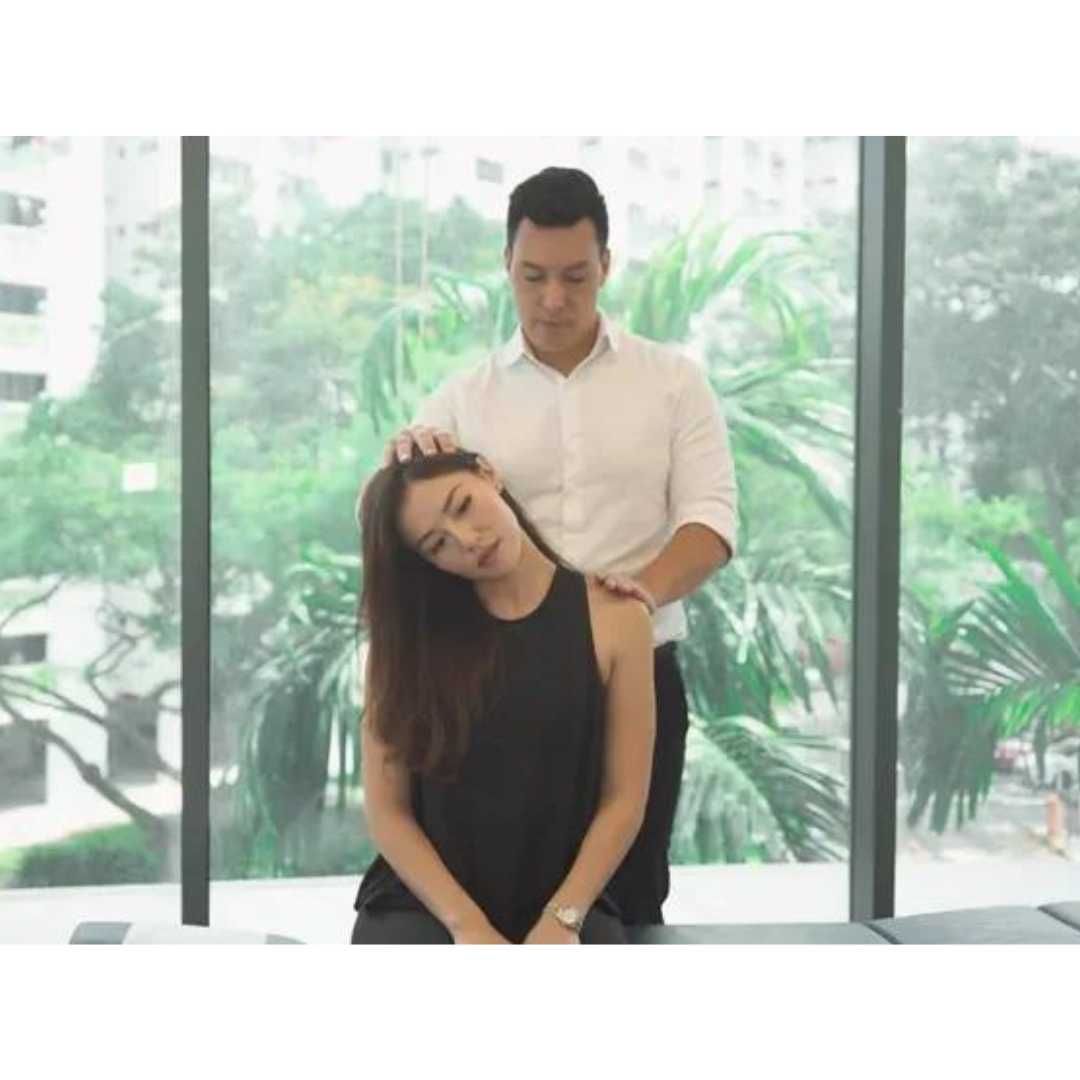
Many adults seeking help for chronic back pain are surprised to discover that spinal asymmetry may be influencing how their body moves and functions. Similarly, persistent tightness in the shoulders and upper back may contribute to recurring neck pain, particularly when posture has been affected for many years.
Imagine driving a car with slightly misaligned wheels. The vehicle may still function normally, but certain components will experience increased wear over time. A similar process can occur within the human body when scoliosis affects spinal mechanics.
How Modern Lifestyles in Singapore May Aggravate Existing Spinal Imbalances
Although scoliosis is not caused by sitting, prolonged sitting can place additional stress on an already imbalanced spine. This is particularly relevant in Singapore's fast-paced work environment, where many individuals spend eight to twelve hours each day seated.
Extended periods of sitting reduce movement variability and increase muscular fatigue. When the spine remains in a fixed position for prolonged periods, areas that are already under stress may become even more irritated. Muscles responsible for stabilising the spine work continuously to maintain posture, often leading to increased tension and discomfort.
Outside of work, technology continues to influence posture. Time spent looking at smartphones, tablets, and laptops can contribute to forward head posture and additional strain on the neck and upper back. While these habits do not create scoliosis, they may worsen the symptoms experienced by individuals who already have spinal curvature.
This is why comprehensive
chiropractic care often focuses not only on symptoms but also on the daily habits that may be influencing spinal health.
Signs of Adult Scoliosis You Should Not Ignore
Adult scoliosis does not always present with dramatic symptoms. In many cases, the warning signs are subtle and develop gradually over time.
Some individuals notice that one shoulder appears higher than the other when looking in the mirror. Others observe that their hips seem uneven or that clothing fits asymmetrically. Certain people become aware of recurring muscle tightness on one side of the body that never fully resolves.
Persistent back pain that worsens after prolonged sitting or standing may also be a sign worth investigating. Reduced flexibility, difficulty maintaining good posture, and a tendency to lean slightly to one side can sometimes indicate underlying spinal curvature.
When these symptoms persist, seeking a professional spinal health assessment can help identify whether scoliosis or another spinal condition may be contributing to the discomfort.
Can Adult Scoliosis Get Worse With Age?
One of the most common concerns among adults diagnosed with scoliosis is whether the condition will continue progressing. The answer depends on several factors, including the severity of the curve, age, spinal health, and overall lifestyle. Some spinal curves remain relatively stable throughout adulthood. Others may gradually worsen due to degenerative changes affecting the spine's supporting structures.
As discs lose hydration and joints experience wear over time, the spine may become less capable of maintaining optimal alignment. This can lead to further curvature progression and an increase in associated symptoms.
Because every individual is different, regular monitoring remains important. Understanding how a spinal curve is changing over time allows for more informed decisions regarding spinal health and long-term management strategies.
How Chiropractic Care May Support Adults Living With Scoliosis
Many adults assume that scoliosis automatically leads to surgery. In reality, almost all cases should be managed conservatively.
At One Spine Chiropractic, assessments focus on understanding how spinal curvature may be influencing posture, movement, and overall function. Rather than focusing solely on the curve itself, care is centred around helping patients move more comfortably and maintain spinal mobility.
Through personalised
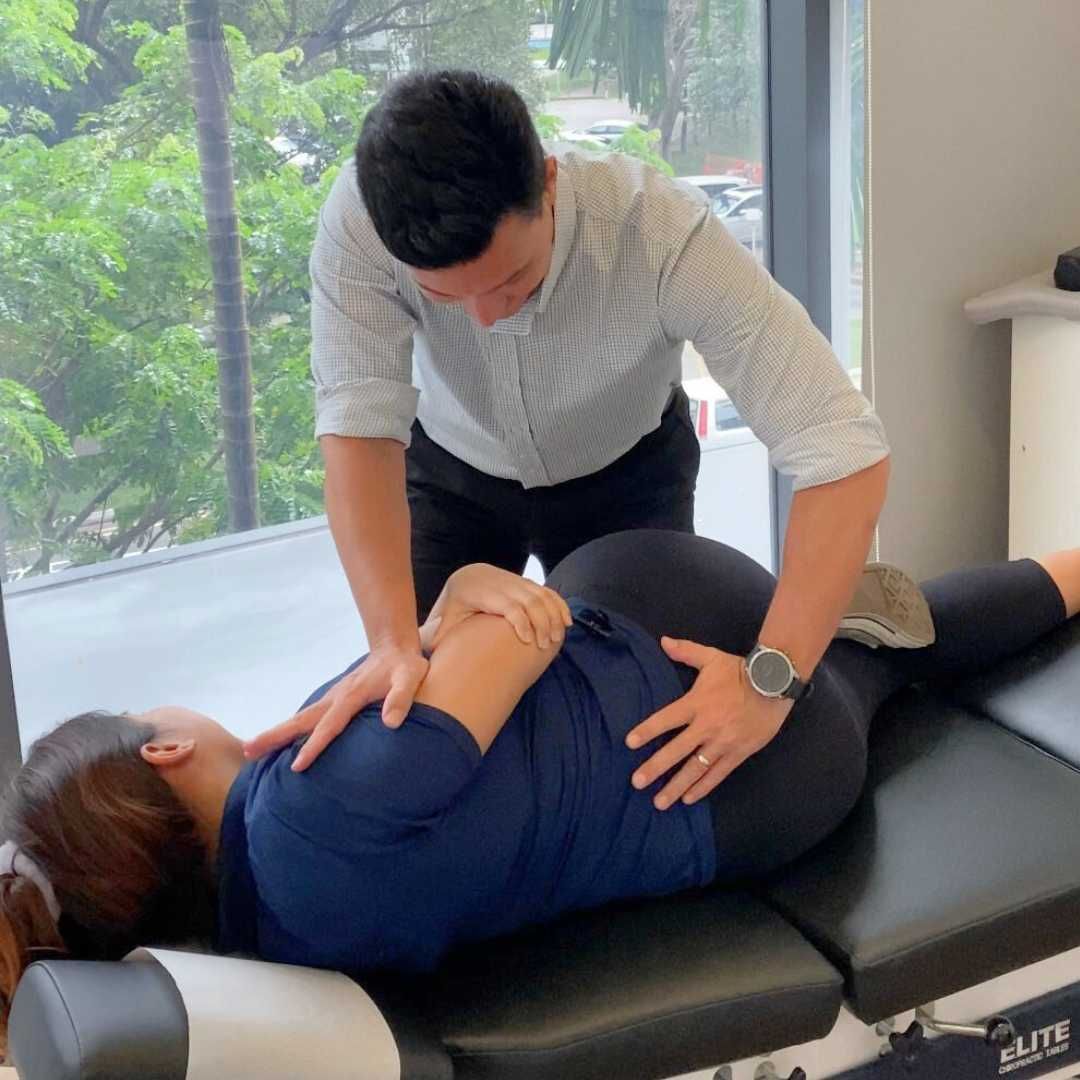
chiropractic care, patients may receive recommendations that support spinal function, mobility, posture awareness, and overall wellbeing. Every care plan is tailored to the individual's condition, goals, and lifestyle.
The Spine Has Been Adapting for Years — The Question Is, To What?
Many adults spend years managing symptoms without ever discovering the root cause behind them. Scoliosis is one of the most overlooked contributors to chronic back discomfort, postural imbalance, and recurring muscle tension. The earlier it is identified, the sooner informed decisions can be made about supporting long-term spinal health.
Persistent pain should never be dismissed simply because it seems common. While ageing and lifestyle factors can certainly influence how the body feels, recurring discomfort often signals that something deserves closer attention.
At One Spine Chiropractic Singapore, we believe that understanding your spine is the first step towards making better decisions about your health. Whether you are experiencing recurring back pain, postural changes, or simply want greater clarity about your spinal health, a comprehensive assessment can provide valuable insights into how your body is functioning.
Your spine supports every movement you make. The choices you make today may influence how comfortably you move, work, exercise, and live for many years to come.
Book your appointment with experienced practitioners at One Spine Chiropractic Singapore:
https://clinic.platomedical.com/book/b25lY2hpcm8=/ec3986fdbb7f42129bb8d835822ea7c6