Scoliosis in Children vs Adults: Symptoms, Causes and Treatment
What is scoliosis? Scoliosis is a condition often associated with adolescence, but it can affect individuals at any stage of life. While the defining characteristic of scoliosis is an abnormal sideways curvature of the spine, the spine curves into an S or C shape, and the way it develops, presents and is managed differs considerably between children and adults. Understanding these differences is essential, as early recognition and appropriate treatment can help minimise symptoms, improve spinal function and support long-term quality of life.
Many people assume scoliosis is simply a cosmetic concern. In reality, the condition may influence posture, mobility, muscle balance and, in some cases, contribute to persistent neck or back pain. Scoliosis is not caused by carrying heavy objects. For children, the focus is often on monitoring spinal growth and preventing curve progression. For adults, treatment is typically centred on managing pain, improving movement and maintaining independence.
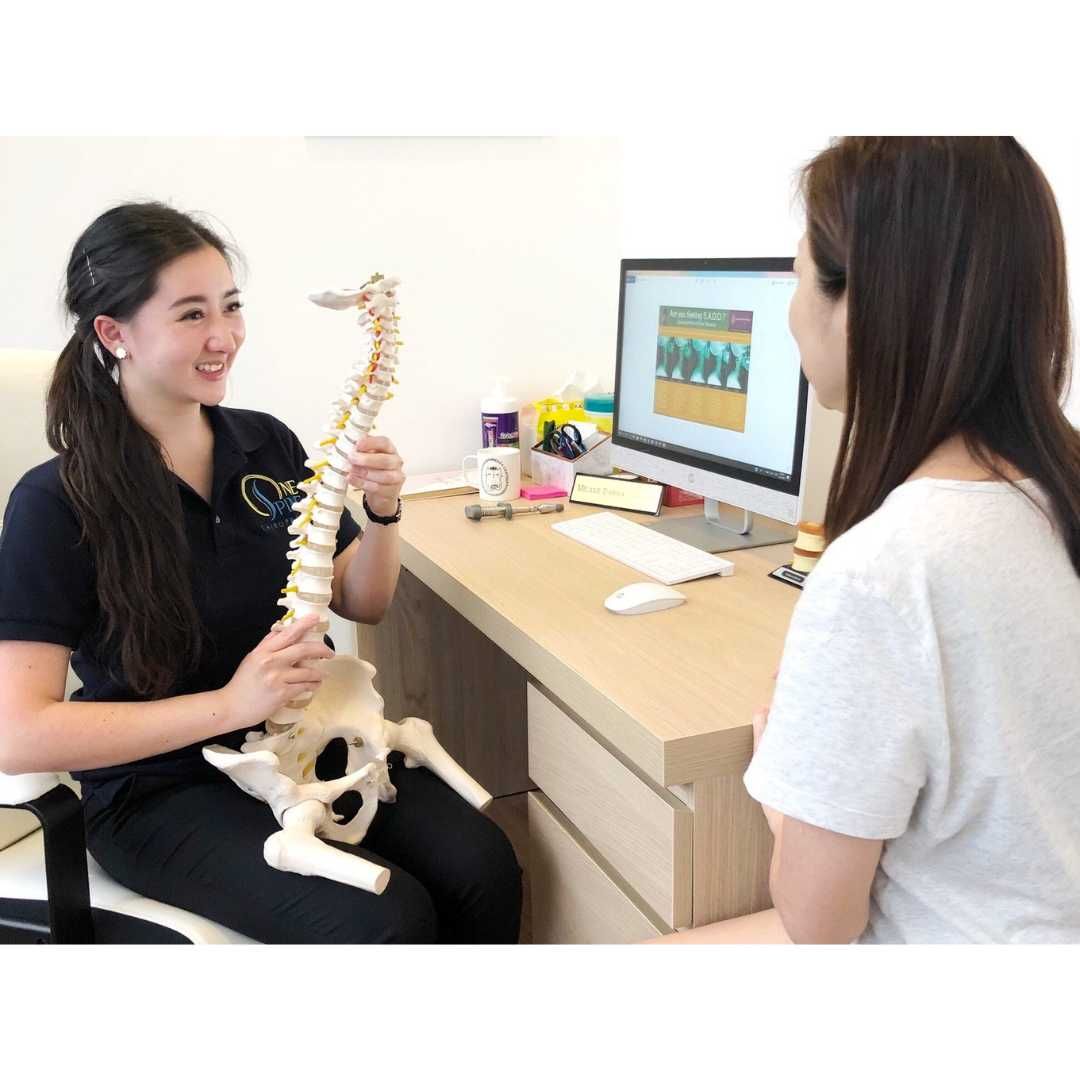
Whether scoliosis is identified during childhood or later in life, an accurate diagnosis is the foundation of effective care. At One Spine, our approach begins with a
comprehensive spinal assessment to understand how the condition affects each individual before recommending an appropriate management plan.
Understanding the Different Types of Scoliosis of the Spine
Scoliosis is a broad term for an abnormal curvature of the spine, and the main types of scoliosis are adolescent idiopathic scoliosis and adult degenerative scoliosis. The most common form is adolescent idiopathic scoliosis, which develops during childhood or adolescence without a clearly identifiable cause. Although research suggests that genetics may contribute to its development, the exact mechanism remains unknown. It is not caused by poor posture or everyday habits.
In adults, scoliosis may either be a continuation of a curve that developed during adolescence or arise later in life as a result of age-related degeneration of the spinal discs and joints. Known as degenerative scoliosis, this form is becoming increasingly common as people live longer and remain active into older age. When asking how common is scoliosis, it is more often discussed in children and teens, though it also affects many adults.
Because the underlying causes differ, the goals of treatment also change. Understanding the cause of the spinal curvature allows clinicians to recommend the most appropriate
scoliosis treatment, whether the focus is monitoring growth in children or managing symptoms in adults.
Scoliosis in Children: Why Early Detection of the Symptoms of Scoliosis Matters
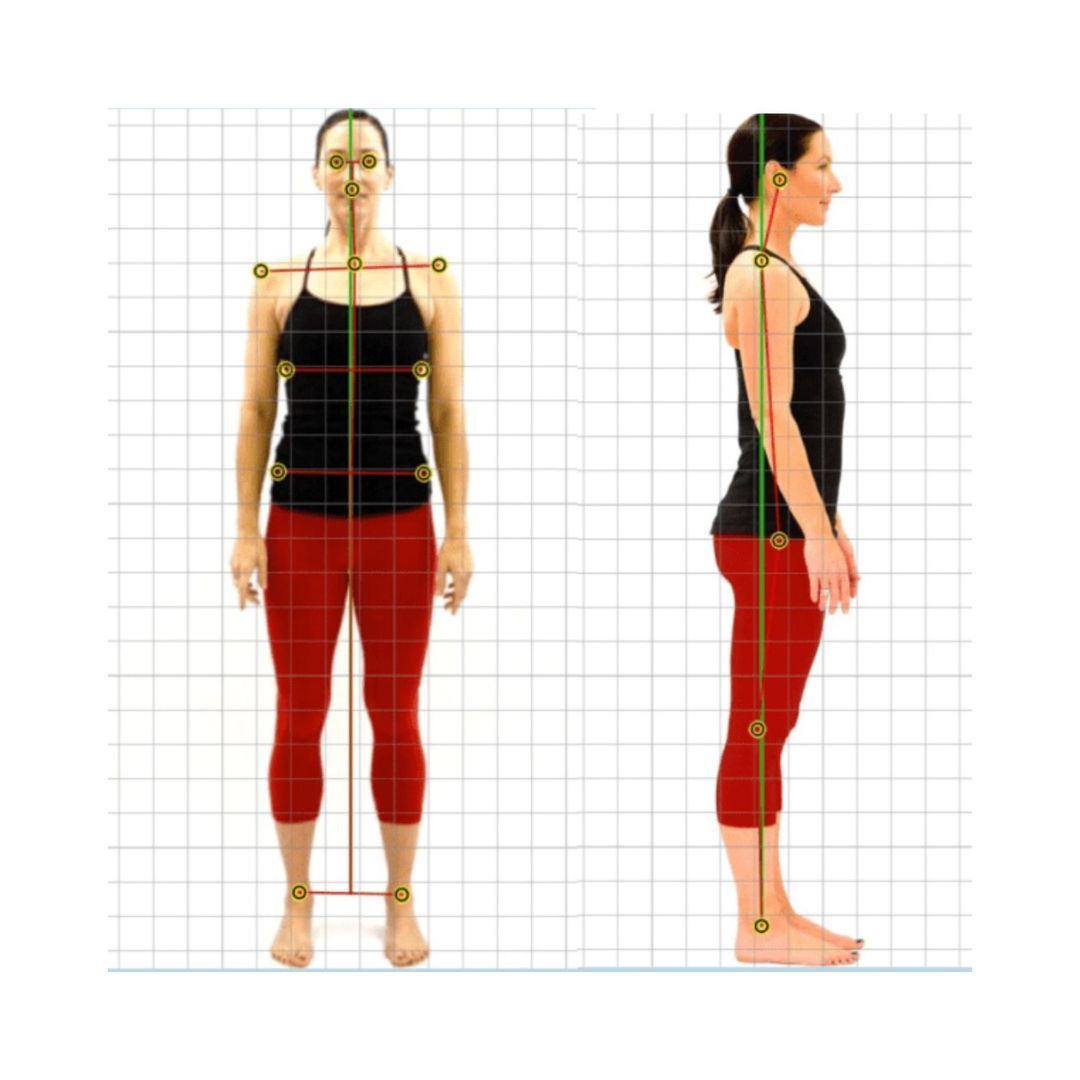
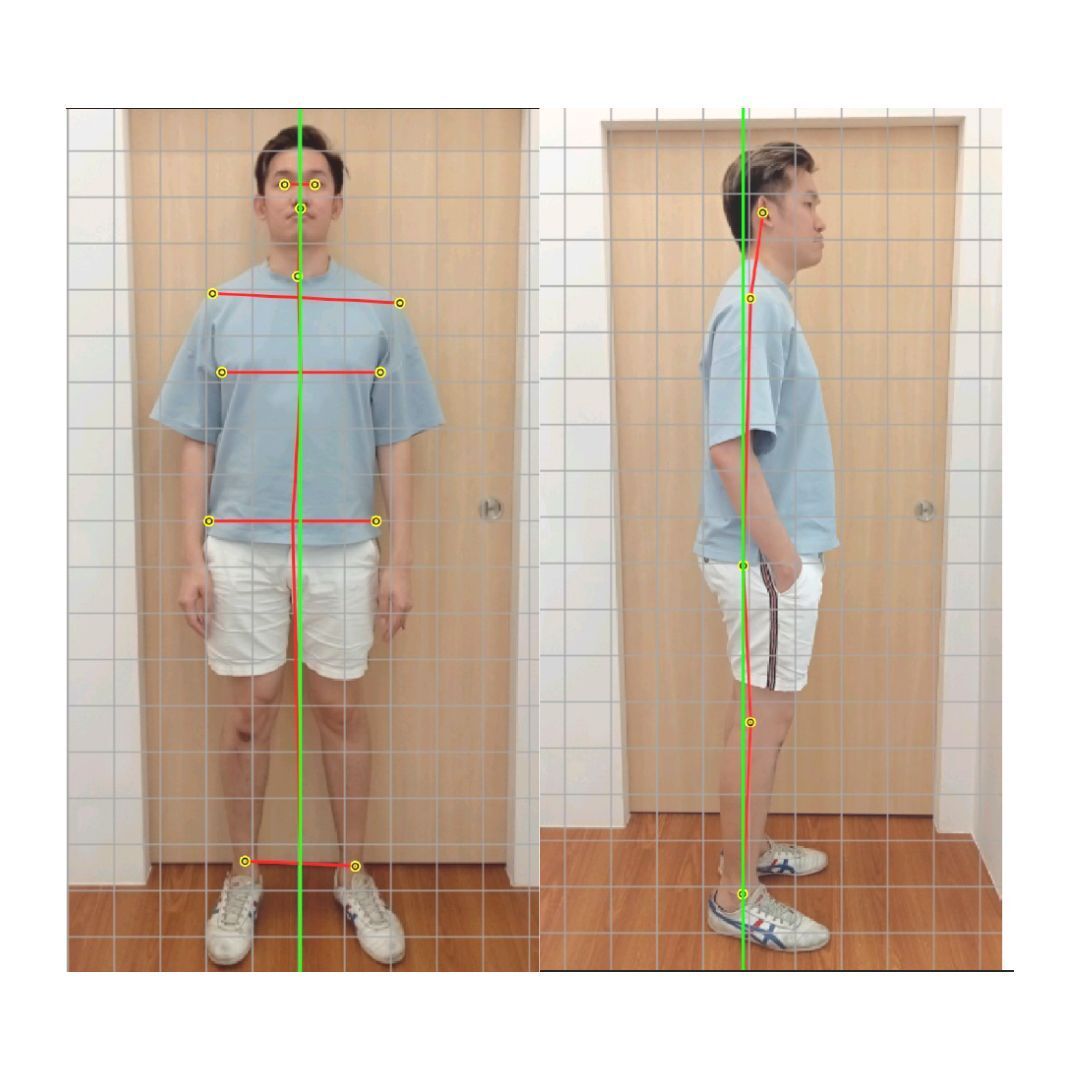
Parents often ask what are the early signs to look for, and what are the symptoms that may suggest scoliosis in a growing child. In many cases, children do not experience pain, which means the symptoms of scoliosis may only become apparent when one shoulder sits higher than the other, the waist looks uneven or posture changes are noticed during routine activities, which is often how concerns about what are the symptoms of scoliosis in children first arise. It is also sometimes picked up in school children during routine check ups.
Growth plays a significant role in the progression of scoliosis. As the spine lengthens during adolescence, an existing curve may increase if left unmonitored. This is why early diagnosis is so important. Regular assessments, including X-ray imaging, allow healthcare professionals to determine whether the curve is stable or progressing and assess the severity of any change before deciding whether intervention is necessary.
Treatment for scoliosis is based on several factors, including the child's age, skeletal maturity and the degree of spinal curvature. Mild cases may simply require regular observation, while more significant curves may be managed with rehabilitation and bracing if necessary.
Our
Scoliosis Treatment approach is tailored to the individual's condition and always takes existing medical recommendations into account.
Scoliosis in Adults: A Different Set of Challenges
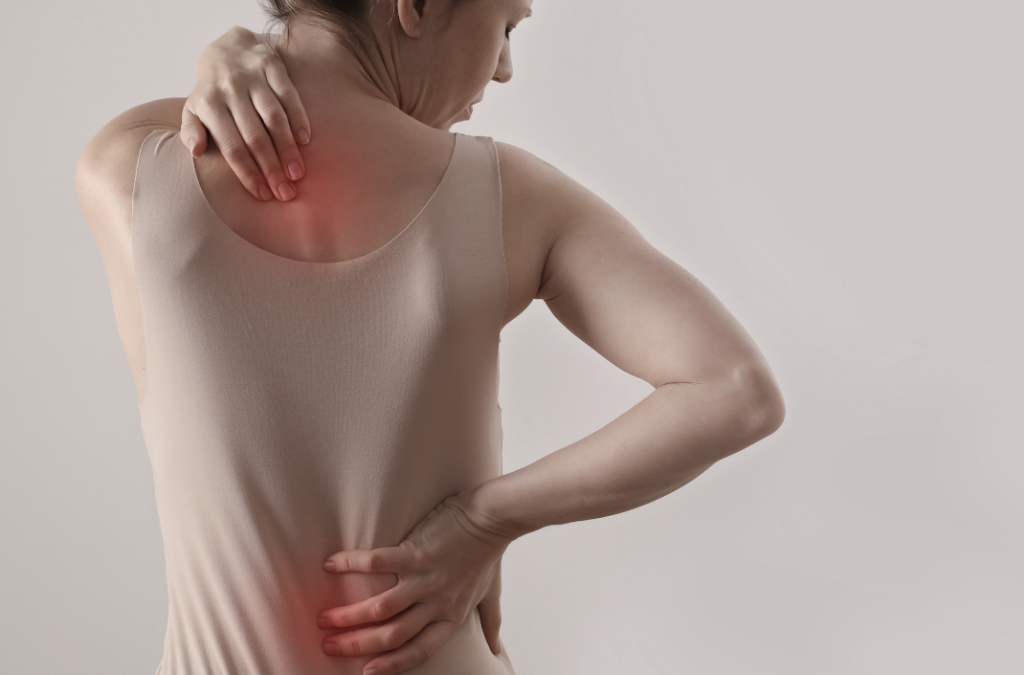
Unlike children, adults with scoliosis often seek professional care because symptoms are the signs of scoliosis they notice first. Years of muscular compensation, degenerative disc changes and reduced spinal flexibility may contribute to chronic discomfort that gradually interferes with work, exercise and everyday activities.
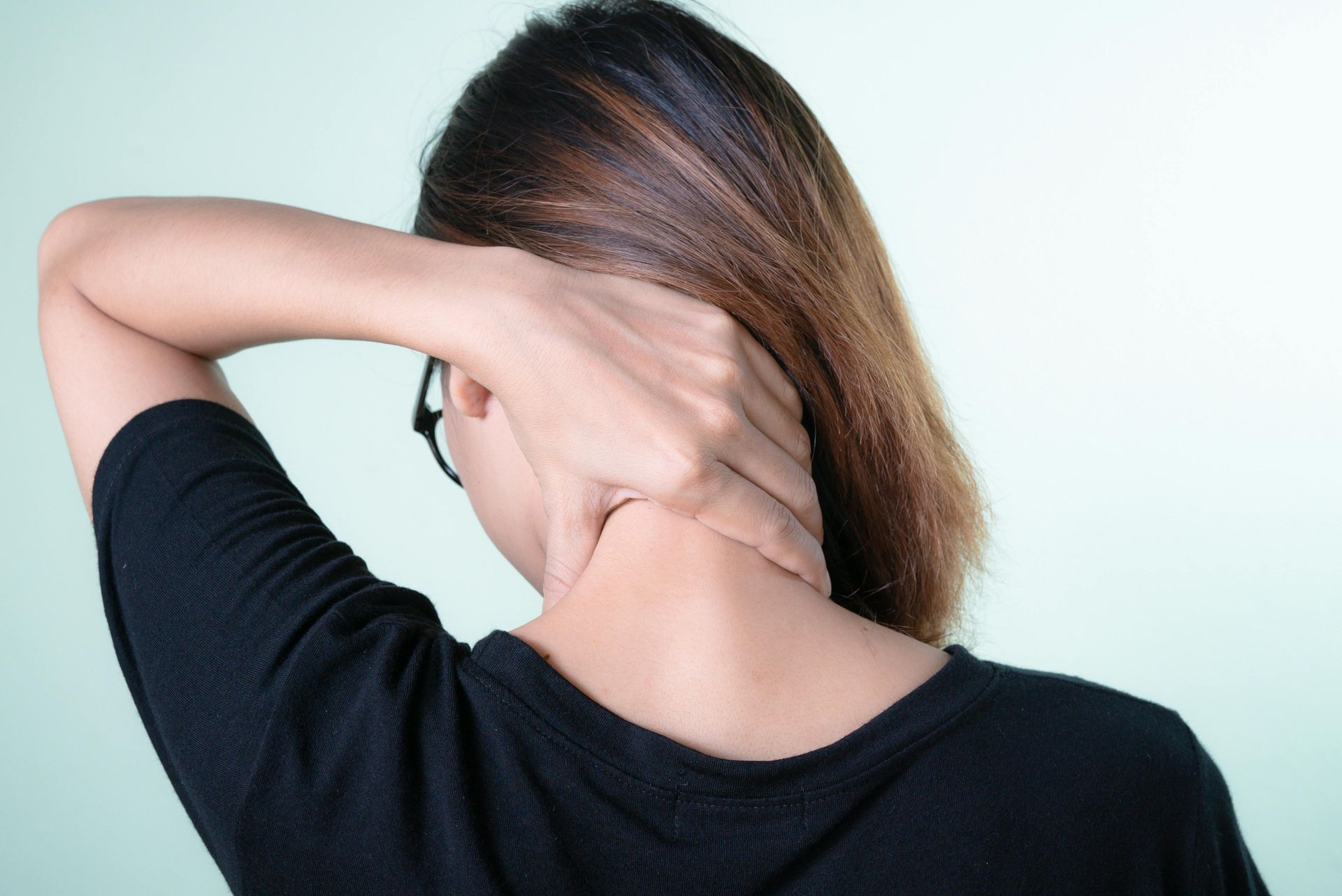
Pain associated with adult scoliosis is not always caused directly by the spinal curve itself. Instead, surrounding muscles may work harder to maintain balance, leading to fatigue, stiffness and recurring episodes of neck or lower back pain. Degenerative changes within the spine can also place pressure on nearby nerves, producing symptoms such as numbness and tingling or pain that extends into the legs. In severe cases, complications of scoliosis may also affect breathing or heart function.
For scoliosis patients, these overlapping conditions mean that treatment should extend beyond the spinal curve alone. Improving spinal mobility, restoring movement patterns and reducing mechanical stress are often equally important objectives. Our
lower back pain treatment page explains how different spinal conditions may contribute to ongoing discomfort and when professional assessment is recommended.
Scoliosis Exercises and Treatment for Scoliosis: What Helps and What Doesn't
Exercise has become an important component of modern scoliosis management. We incorporate the highly researched and clinically proven schroth best practice method of scoliosis rehabilitation exercises. We combine hands-on care and regular clinical reviews. At One Spine, rehabilitation advice forms part of a personalised chiropractic treatment plan, helping patients improve movement quality while reducing unnecessary strain on the spine.
Our Chiropractors consider the curve pattern type, location and severity of the curve, the patient's age, overall mobility and existing symptoms. Controlled breathing techniques and postural retraining are utilised to improve spinal alignment, and aim to reduce both lateral curvature of the spine as well as rotation of the torso and pelvis.
Conversely, relying solely on online exercise routines without understanding the nature of the spinal curve may provide little benefit and, in some cases, aggravate symptoms for scoliosis management. Exercises that are appropriate for one patient may not be suitable for another, particularly when scoliosis is accompanied by disc degeneration or nerve irritation.
For this reason, exercise is most effective when incorporated into a broader management strategy that includes professional assessment, ongoing monitoring and appropriate manual therapy where indicated.
Can Chiropractic Help Manage Scoliosis?
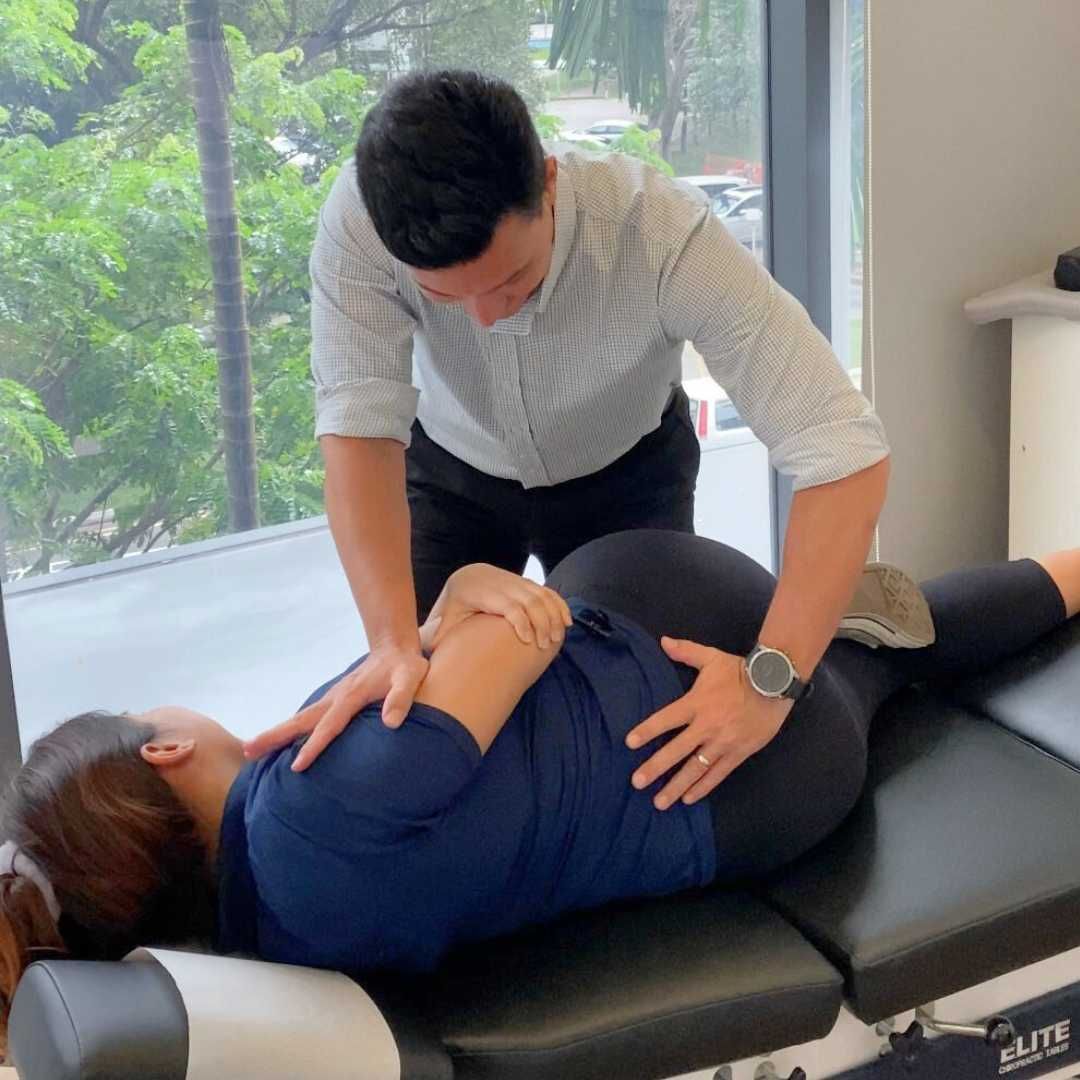
One of the most common questions patients ask is: how is scoliosis treated, and can chiropractic care correct it? The answer depends on the expectations of treatment. Structural scoliosis cannot typically be reversed through chiropractic adjustments alone, and in more severe or progressive cases, bracing may be required together with schroth rehabilitation and Chiropractic adjustments. Chiropractic care may also play a valuable role in helping patients manage the secondary effects associated with scoliosis.
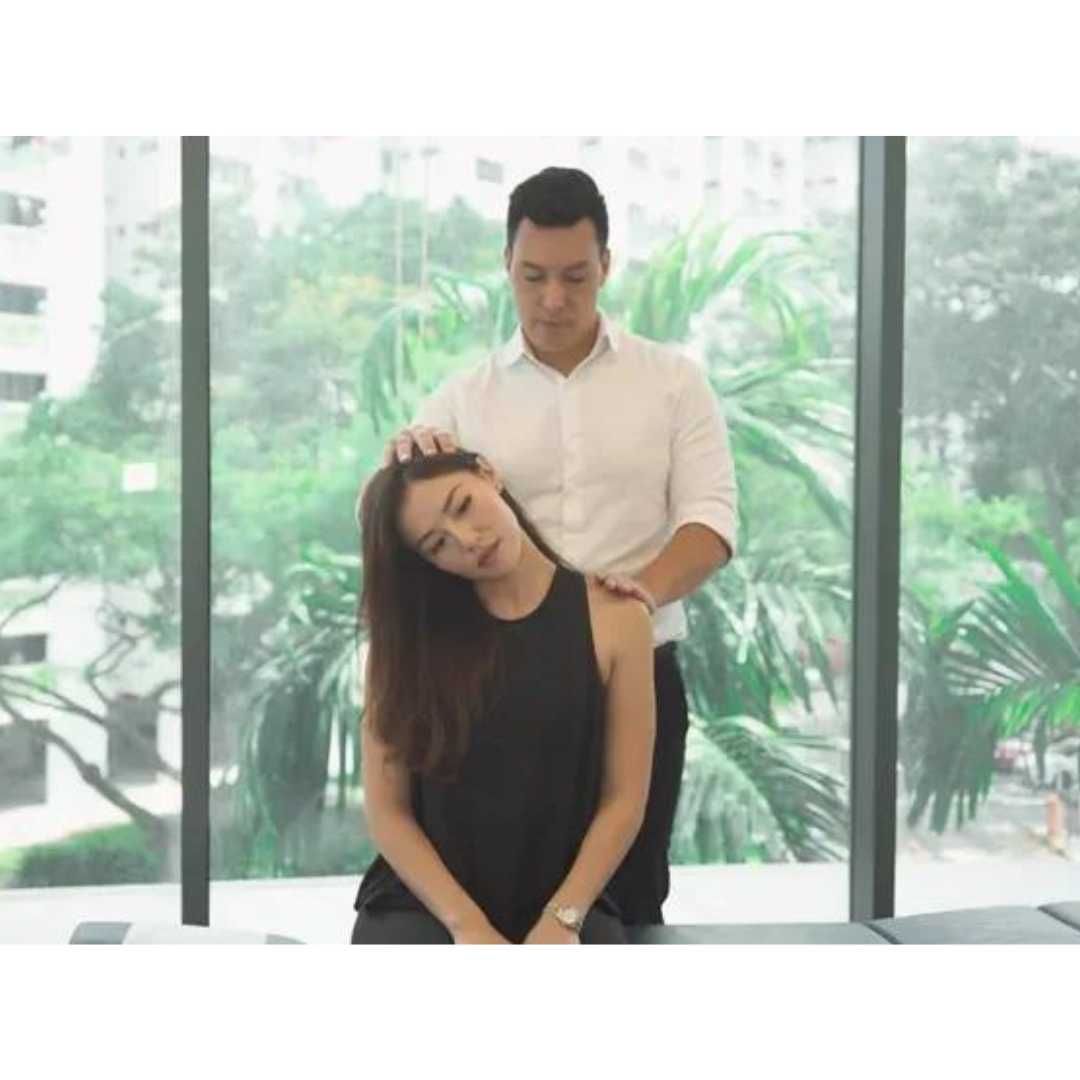
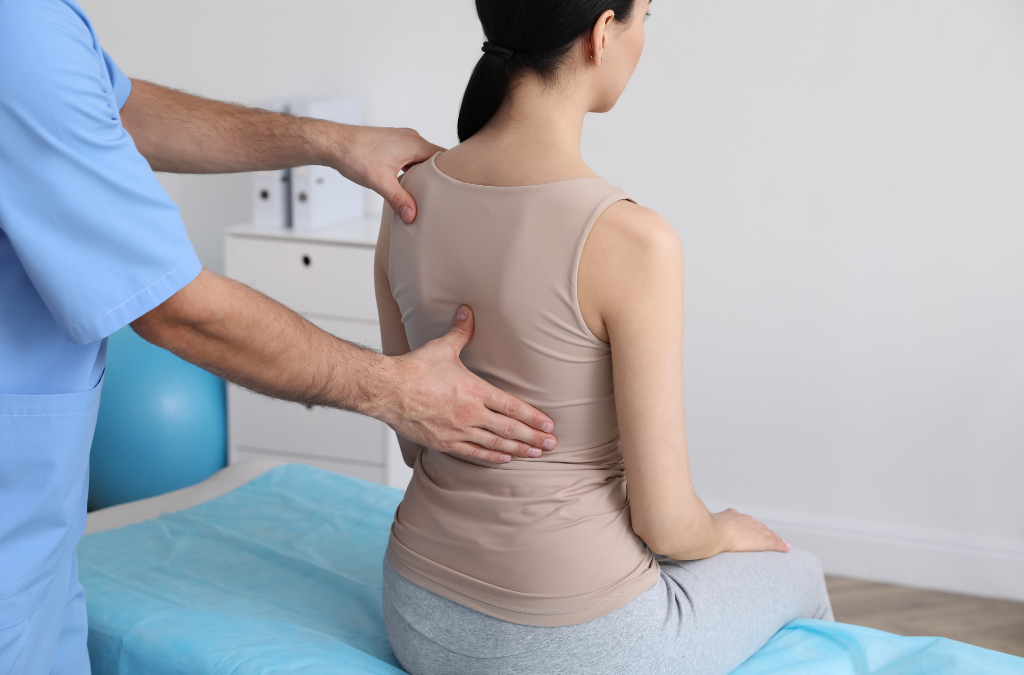
Restricted spinal joints, muscular tightness and altered movement patterns frequently accompany spinal curvature. Through carefully selected manual techniques, chiropractors aim to improve joint mobility, reduce muscular tension and support more efficient movement. This may help alleviate mechanical discomfort and improve overall function, particularly when combined with rehabilitation exercises and lifestyle modifications.
Equally important is patient education. Changes to activities of daily living and standing in specific postures has been shown to help reduce pressure on the uneven spine in scoliosis patients. Advice on workstation ergonomics, lifting techniques, sleeping posture and physical activity allows patients to better manage their condition outside the clinic. At One Spine, chiropractic care is integrated with exercise prescription and movement education through our chiropractic services, providing a comprehensive approach that addresses not only the spinal curve but also the muscular and joint dysfunctions associated with scoliosis.
Patients experiencing symptoms beyond scoliosis, such as recurring neck stiffness or poor posture, may also benefit from our
neck pain treatment and
posture correction services, as these conditions frequently coexist with spinal curvature and muscular imbalance.
A Long-Term Approach to Spinal Health
Living with scoliosis does not necessarily mean living with ongoing pain or physical limitations. For many individuals, particularly when the condition is recognised early and managed appropriately, it is possible to maintain an active lifestyle while minimising the impact of scoliosis on everyday activities.
Children benefit most from regular monitoring during periods of growth, allowing healthcare professionals to identify changes before they become more significant. Adults, meanwhile, often achieve meaningful improvements through care that addresses reduced pressure on imbalance spinal joints, improved mobility and muscular balance.
Every case of scoliosis is unique, which is why treatment should never follow a one-size-fits-all approach. A comprehensive assessment helps determine the factors contributing to an individual's symptoms and forms the basis of a personalised management plan. Whether the goal is reducing pain, improving posture or maintaining long-term spinal health, early intervention and evidence-informed care remain the most effective path forward.
Discover the benefits of chiropractic care in Singapore and book your appointment with our team of experienced chiropractors at One Spine Chiropractic Singapore today:
https://clinic.platomedical.com/book/b25lY2hpcm8=/ec3986fdbb7f42129bb8d835822ea7c6