Pregnancy Back Pain: Why It Is So Common During Pregnancy, Causes, Symptoms and Treatment
Pregnancy is an exciting journey, but it also brings significant physical changes that can place added stress on the body. Among the most common complaints experienced by expectant mothers is back pain, with studies suggesting that a large proportion of women will experience some degree of discomfort during pregnancy. While the severity varies from person to person, back pain can affect daily activities, disrupt sleep, and reduce overall quality of life if left unmanaged.
Many women assume that back pain is simply something they have to endure until their baby is born. Although some discomfort is a normal consequence of pregnancy, persistent or worsening pain should not be ignored, and you should talk to your doctor. Understanding why back pain develops and exploring safe, conservative treatment options can help expectant mothers remain active and comfortable throughout their pregnancy.
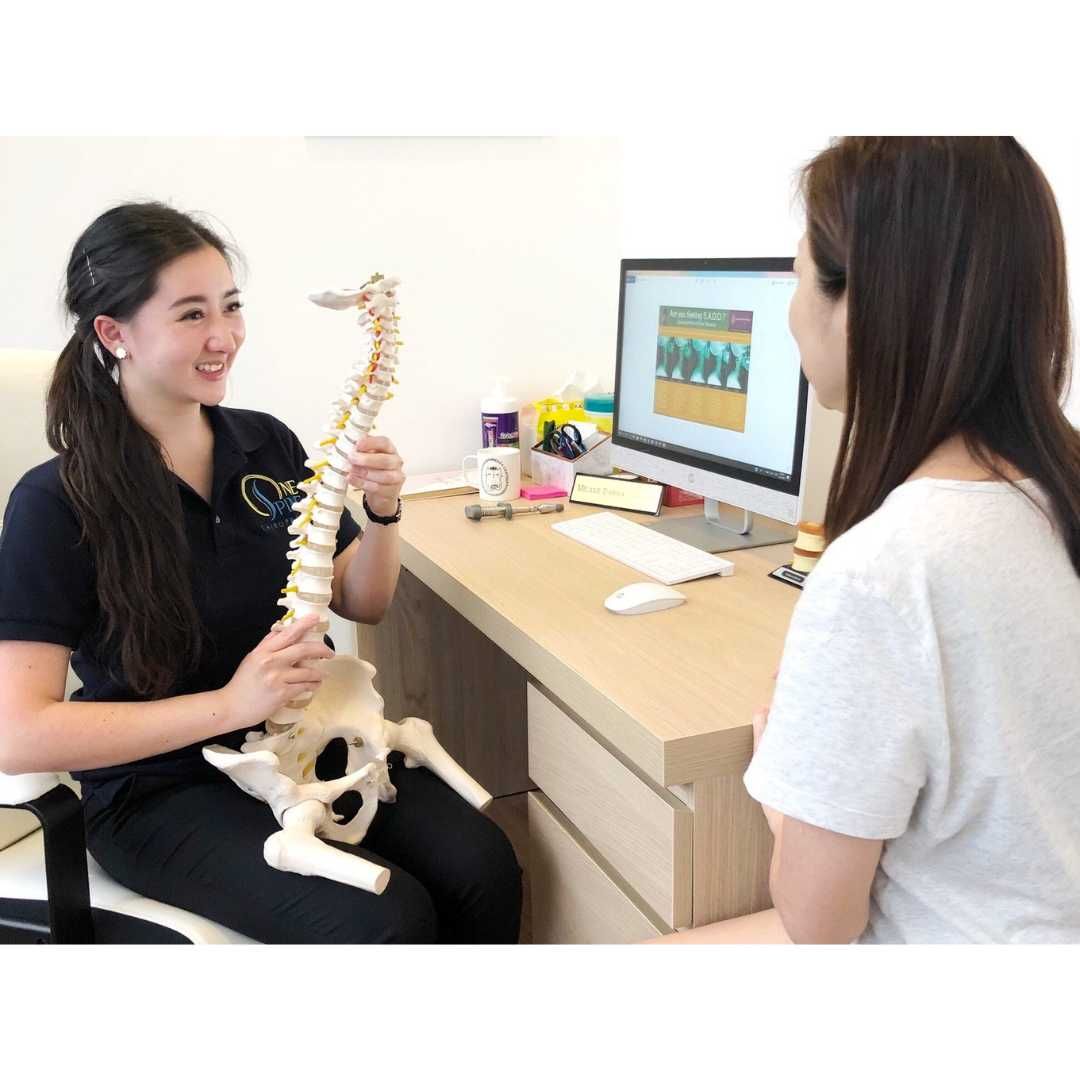
At One Spine, we believe that pregnancy-related back pain deserves individualised care. Every pregnancy is unique, and understanding the underlying cause of discomfort allows us to recommend appropriate strategies that support both mother and baby.
Why Does Back Pain Occur During Pregnancy?
Pregnancy affects almost every part of the musculoskeletal system. As the baby grows, the body adapts to support the additional weight while preparing for childbirth. These natural changes alter the way the spine, pelvis, muscles and joints work together, often resulting in increased strain on the lower back.
One of the earliest changes occurs through hormonal shifts. During pregnancy, the body produces hormones such as relaxin, which help loosen the ligaments around the pelvis in preparation for labour. While this increased flexibility is necessary for childbirth, it also reduces the stability of the joints that support the spine and pelvis. As a result, surrounding muscles are required to work harder to maintain balance and movement.
At the same time, the growing uterus shifts your center of gravity forward. Many women naturally compensate by leaning backwards as pregnancy progresses, increasing the curve in the lower spine. This change in posture places additional stress on the lumbar spine and surrounding muscles, contributing to the aching or stiffness that commonly develops as pregnancy progresses.
Weight gain during pregnancy also increases the mechanical load placed on the spine, particularly during prolonged standing, walking or lifting. Combined with the need to sleep on your side rather than on your back later in pregnancy, and with reduced physical activity, these factors create an environment where back pain can gradually become more noticeable.
Recognising the Symptoms of Pregnancy-Related Back Pain
Pregnancy-related back pain does not always present in the same way. Some women experience dull lower back pain, while others notice discomfort around the pelvis or hips on one or both sides that becomes worse after walking or standing for extended periods.
The pain may develop gradually in the second trimester as the baby grows, although some women experience symptoms much earlier. For others, discomfort becomes most noticeable during the final months of pregnancy when the baby's weight places greater demands on the spine and pelvis.
Pain that radiates into the buttocks or legs, however, may indicate a different condition such as sciatica. Understanding the difference between general back pain and nerve-related symptoms is important, which is why we also explore this topic in our next article on
Sciatica During Pregnancy: Causes, Symptoms and Relief.
Common Factors That Can Make Back Pain Worse
Daily habits often contribute to the severity of pregnancy-related back pain. Standing for prolonged periods, lifting heavy objects incorrectly or maintaining poor posture while sitting may all increase pressure on the spine, and avoiding high heels may also help reduce strain. Many women also find that interrupted sleep and fatigue make it more difficult for muscles to support the changing demands placed on the body.
As pregnancy progresses, simple activities such as getting out of bed, climbing stairs or carrying groceries may become increasingly uncomfortable. These movements require greater muscular effort to maintain balance, particularly when the pelvis has become more mobile due to hormonal changes.
Maintaining gentle physical activity throughout pregnancy is generally encouraged. Regular exercises help preserve muscle strength, support leg muscles, improve circulation and reduce stiffness while helping keep your posture and activity habits steady, all of which contribute to better spinal support.
Managing Pregnancy Back Pain Safely
The good news is that many cases of pregnancy-related back pain can be managed conservatively. Rather than relying solely on medication, treatment often focuses on improving movement, supporting posture and reducing unnecessary strain on the spine.
Regular low-impact exercise, including walking and prenatal exercise programmes, may help maintain strength and flexibility for back pain. Gentle stretching can reduce muscular tightness, while strengthening the muscles surrounding the pelvis, core and stomach improves stability as pregnancy progresses.
Maintaining good posture is equally important throughout the day. Small adjustments to workstation ergonomics, sleeping on your side with pillow support, and lifting techniques can significantly reduce the mechanical stress placed on the lower back. Using supportive footwear and, during longer periods of standing or walking, a support belt may also help minimise discomfort.
At
One Spine, conservative care is always tailored to the individual. Recommendations are based on a
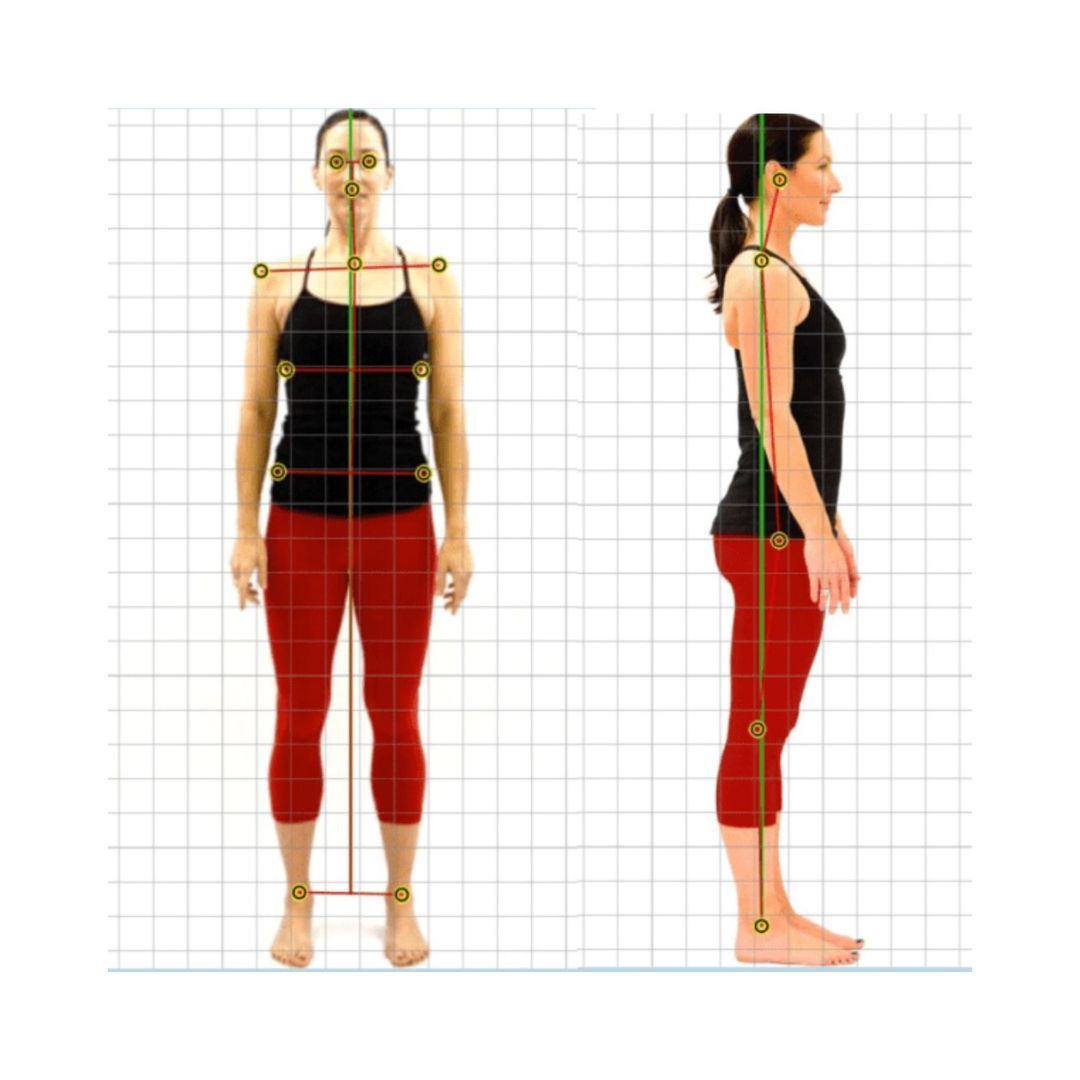
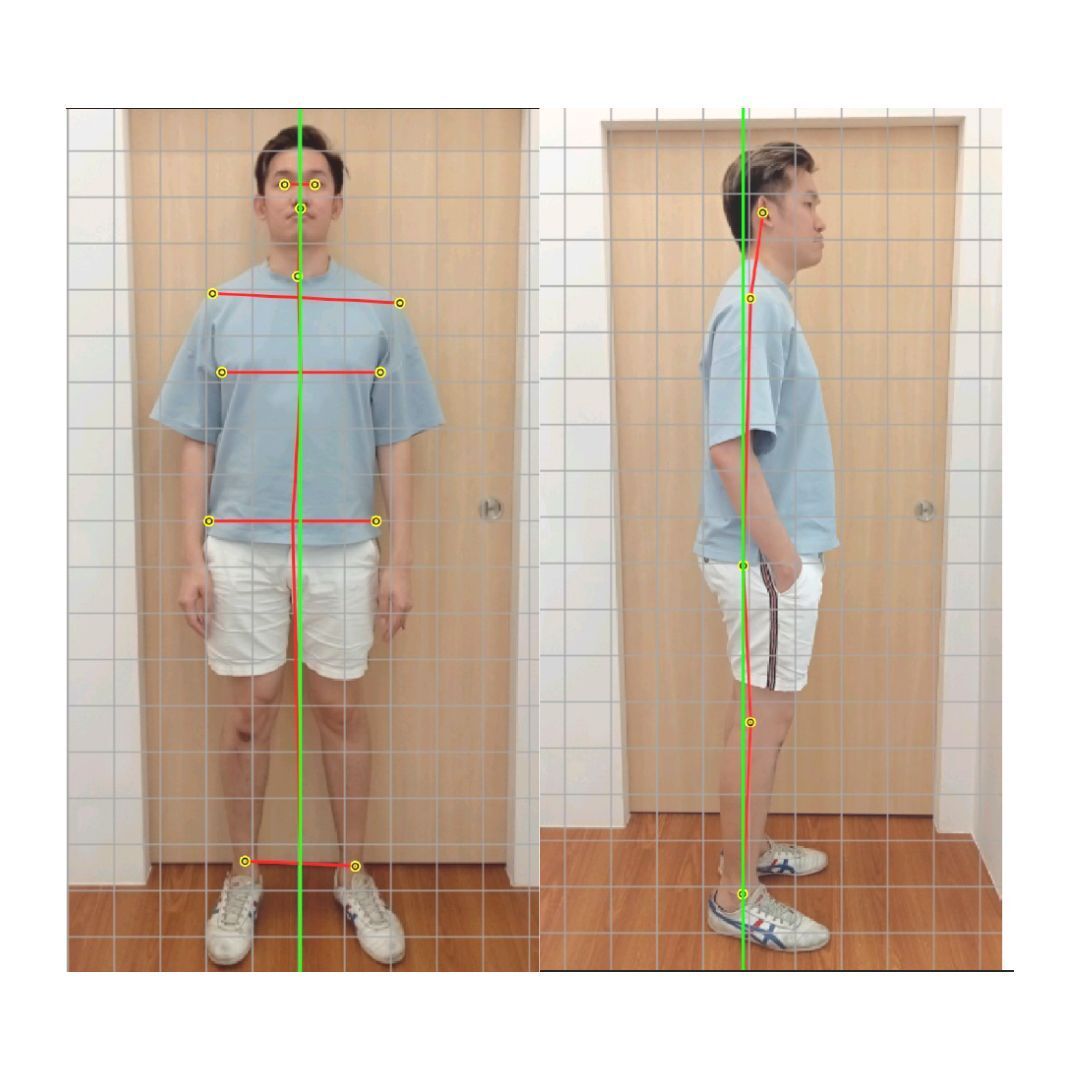
detailed assessment of posture, spinal mobility and movement patterns, ensuring that treatment remains appropriate for each stage of pregnancy.
Can Chiropractic Care Help During Pregnancy?
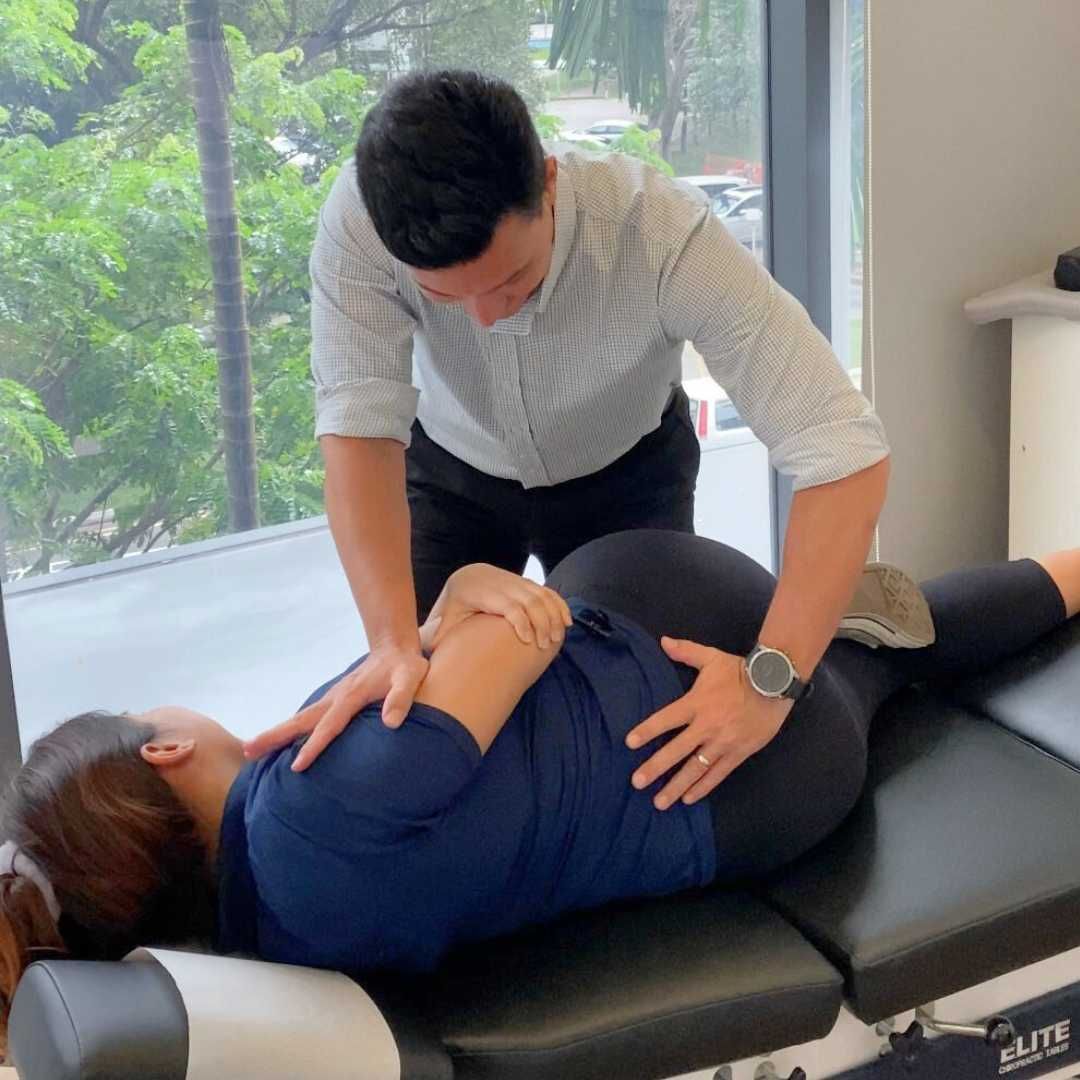
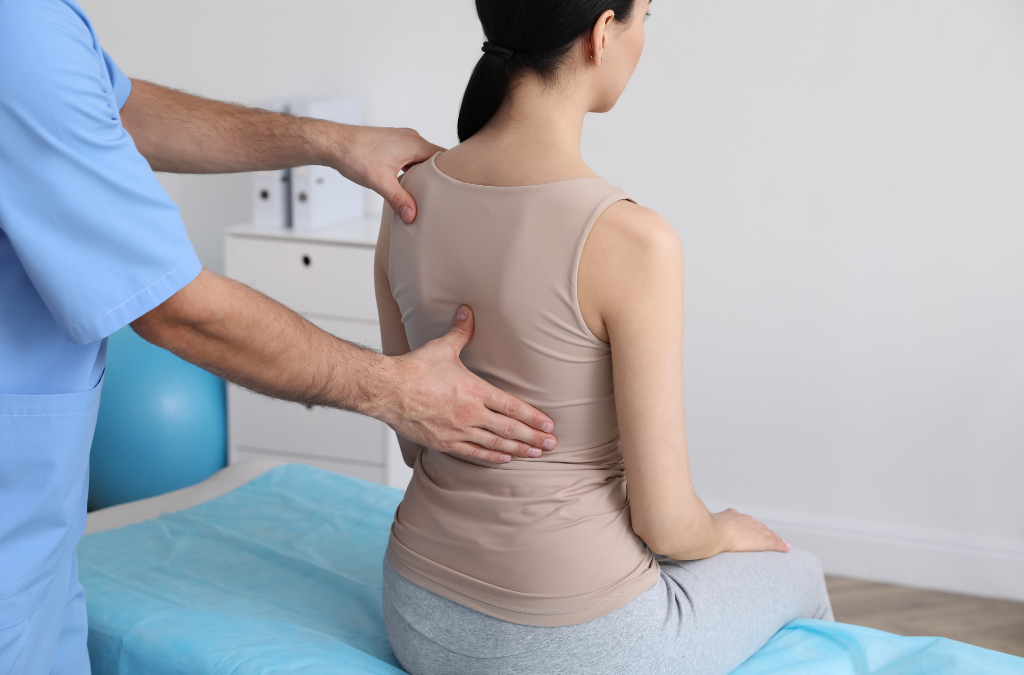
Chiropractic care has become an increasingly popular option for expectant mothers seeking drug-free management of pregnancy-related musculoskeletal discomfort. Contrary to common misconceptions, chiropractic care during pregnancy does not involve forceful manipulation. Instead, treatment techniques are modified to accommodate the physical changes associated with pregnancy, prioritising comfort and safety at every stage.
The aim of chiropractic care is not to alter the pregnancy itself but to optimise spinal and pelvic function. As joints become less stable due to hormonal changes, surrounding muscles often compensate by becoming tight or overworked. Gentle manual therapy may help improve joint mobility, reduce muscular tension and restore more efficient movement patterns.
Treatment is often combined with practical advice on posture, stretching and movement strategies that patients can continue at home as practical tips. This integrated approach can also help address muscle tension, supporting long-term symptom management rather than providing only temporary relief.
Our
Chiropractic Services are adapted specifically for each patient, including expectant mothers experiencing
pregnancy-related musculoskeletal discomfort. Care is always provided within appropriate clinical guidelines and complements ongoing obstetric care in coordination with your healthcare professional rather than replacing it.
Looking Beyond Lower Back Pain
The causes of back pain during pregnancy are rarely limited to a single factor. In many cases, discomfort develops alongside changes affecting the pelvis, hips and surrounding muscles, leading to pain in your lower back. Pelvic girdle pain, sacroiliac joint dysfunction and postural adaptations frequently occur together, making comprehensive assessment particularly valuable.
Addressing these contributing factors early, especially in women with prior back problems, may help prevent symptoms from becoming more severe later in pregnancy. Improving movement quality, maintaining appropriate physical activity and receiving timely conservative care often allows women to remain more comfortable as their pregnancy progresses.
Women who experience persistent neck discomfort or postural strain during pregnancy may also benefit from understanding how spinal alignment influences overall movement. Our page on
Neck Pain Treatment provides further information on maintaining spinal health throughout different stages of life.
Supporting a More Comfortable Pregnancy
Although back pain is one of the most common physical complaints during pregnancy, it should not be viewed as something that simply has to be tolerated. The combination of hormonal changes, postural adaptations and increased physical demands places significant stress on the spine, but appropriate management can often reduce discomfort and improve daily function.
Every pregnancy is different, and what supports your pregnancy best should always be individualised. Through comprehensive assessment, education and conservative care, many women are able to remain active while managing pregnancy-related back pain safely and effectively.
If you are experiencing ongoing back pain during pregnancy, listening to your body is important, and the team at One Spine can provide a thorough prenatal chiropractic assessment to identify contributing factors and develop a personalised treatment plan that supports your comfort throughout pregnancy, including care for pregnant women.
Book your appointment with experienced practitioners at One Spine Chiropractic Singapore:
https://clinic.platomedical.com/book/b25lY2hpcm8=/ec3986fdbb7f42129bb8d835822ea7c6