Listen to Your Body: 10 Signs It's Time for a Chiropractic Checkup in Singapore
Pain – while most people struggle with chronic pain and discomfort, some learn to live with it. However, this should not be the case. You do not have to wait until something terrible happens or until the condition becomes debilitating to seek treatment.
Chiropractic care can help enhance your health and well-being as well as elevate your quality of life. But what is meant by the term ‘chiropractor’, and when should you consult one? What are the benefits of chiropractic care?
Which chiropractor in Singapore should you rely on? This article will walk you through all these questions and more!
Chiropractors
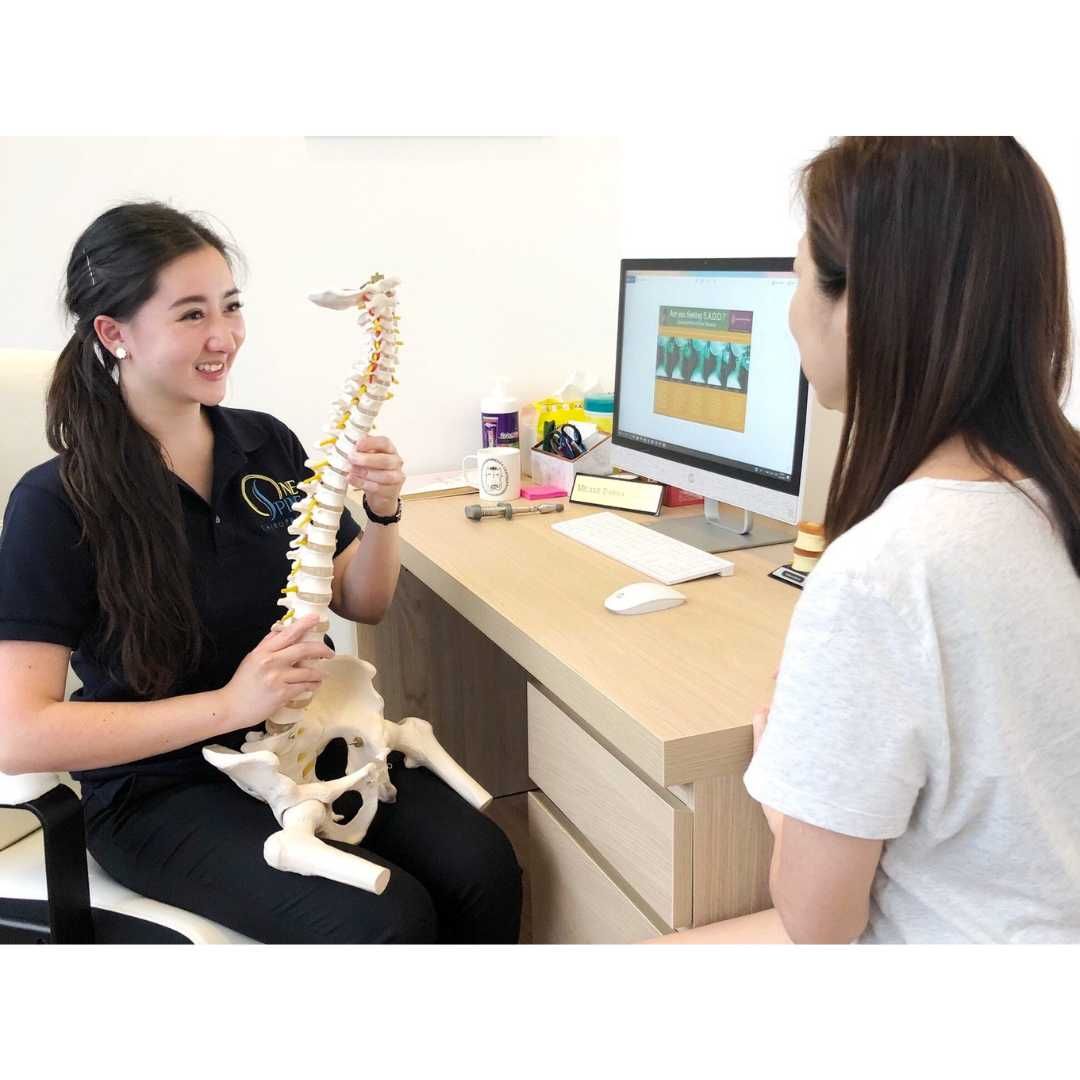
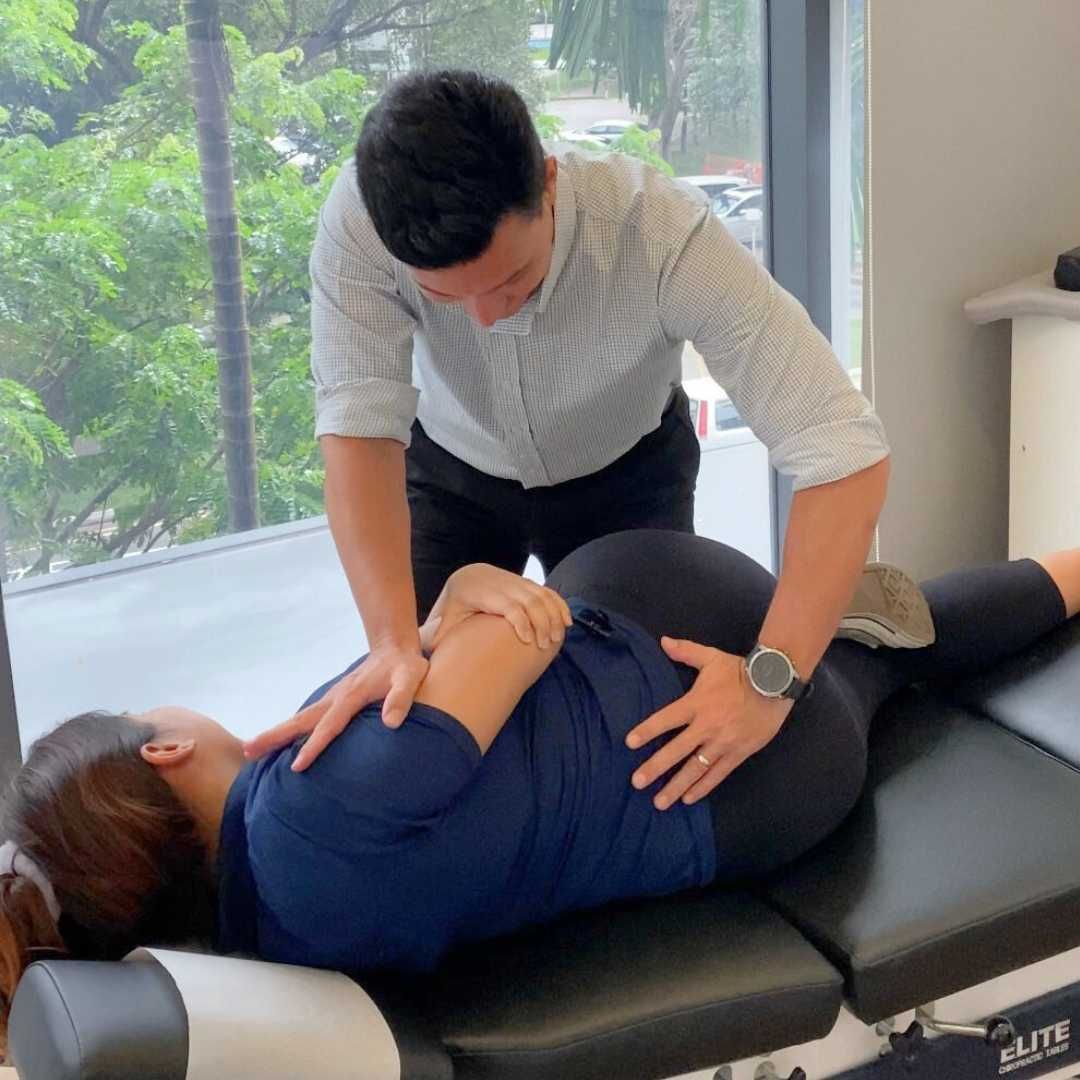
A chiropractor is a licensed healthcare professional that diagnoses and manages several neuromuscular and skeletal disorders. These practitioners use a hands-on approach, including chiropractic adjustments that safely and effectively alleviate pain and enhance the function of your body.
So, if you are suffering from a medical condition that is causing you immense pain and difficulty, you need to consult an experienced chiropractor in Singapore.
Chiropractic care: Benefits of consulting a chiropractor
While the human body is made up of 206 bones and 600 muscles, every individual has only One Spine. The spinal cord or vertebral column is an integral support structure that keeps you upright while providing you with the freedom to move about. But a spinal injury or disease can damage the vertebral column resulting in several issues, including pain.
Depending on the condition you have, certain chiropractic manipulations can realign your joints and give you relief from pain. However, pain alleviation is not the only benefit that comes with visiting a chiropractor in Singapore; there are a number of other benefits of chiropractic care.
Benefits
- Reduces discomfort
- Improves posture
- Reduces reliance on medication (holistic approach)
- Enhances athletic performance
- Eases stress and headaches
- Enhances digestive health and general well-being
- Increases flexibility and movement
- Boosts energy and balance

When should you visit a chiropractor?
Now that you have a good idea of who chiropractors are and what they do, let’s look at the main symptoms and signs that may indicate you need to seek help and guidance from a chiropractor in Singapore.
1. Persistent or Recurring Back Pain
Back pain is one of the most common reasons people seek chiropractic care. Whether you experience a dull ache in your lower back, stiffness after sitting at a desk or discomfort when bending forward, recurring pain can gradually interfere with your daily routine.
Common contributing factors include prolonged sitting, repetitive movements, heavy lifting, reduced physical activity and muscular strain. In some cases, the joints and surrounding tissues may also contribute to discomfort.
Chiropractic care can be considered as part of a conservative approach to managing certain types of musculoskeletal back pain. Depending on your assessment, treatment may include spinal adjustments, mobilisation techniques, exercises and recommendations to improve how you move throughout the day.
Research reviewed by the US National Center for Complementary and Integrative Health indicates that spinal manipulation can provide modest improvements in pain and physical function for people with acute or chronic lower back pain.
You should consider an assessment when back pain repeatedly returns, affects your sleep or makes activities such as walking, standing and bending more difficult.
The earlier you understand what may be contributing to your discomfort, the sooner you can take appropriate steps towards improving your mobility and daily function.
2. Frequent Neck Pain and Stiffness
Do you wake up with a stiff neck or find it uncomfortable to turn your head after a long day at work?
Neck discomfort is common among people who spend extended periods using computers, looking at mobile devices or performing repetitive tasks. Poorly tolerated working positions, muscle tension and restricted joint movement may contribute to symptoms.
When neck stiffness persists, simple activities such as driving, checking your blind spot or looking over your shoulder can become uncomfortable.
A chiropractor can assess your neck mobility, muscle function and movement patterns to help identify possible contributing factors. Depending on your findings, a personalised care plan may include appropriate manual techniques, exercises and practical recommendations for your daily activities.
Chiropractic care may be helpful for selected musculoskeletal neck complaints, particularly when treatment is tailored to the individual's symptoms and health history.
If you frequently experience neck stiffness or restricted movement, an assessment can help you understand what is happening and which options may be appropriate. Sudden or progressive neurological symptoms, however, should be medically assessed before any hands-on treatment.
3. Shooting Pain Travelling Into Your Arm or Leg
Pain that travels from your back into your buttock or leg, or from your neck into your shoulder and arm, can sometimes involve irritation of a nerve.
For example, sciatica describes pain associated with the sciatic nerve, often travelling from the lower back or buttock down the leg. Some people describe the sensation as sharp, burning or electric-like.
These symptoms can affect your ability to sit, stand, walk or exercise comfortably. In some cases, prolonged positions or certain movements may make the discomfort more noticeable.
A chiropractic assessment can help evaluate your symptoms, movement, strength and other relevant clinical findings. Your chiropractor can then discuss whether conservative musculoskeletal care is appropriate or whether further medical investigation is needed.
Depending on the underlying cause, treatment may involve selected manual techniques, exercise recommendations and advice on modifying aggravating activities.
It is important to investigate new or worsening symptoms rather than assuming all radiating pain comes from a spinal joint problem. Seek urgent medical attention if you develop rapidly worsening leg weakness, numbness around the groin or genital area, or changes in bladder or bowel control.
4. Recurring Shoulder Pain and Muscle Tension
Shoulder discomfort can make everyday tasks surprisingly difficult. Reaching overhead, lifting shopping bags, putting on a shirt or sleeping on one side may become uncomfortable when shoulder movement is restricted.
Muscle tension, repetitive activity, joint problems and changes in how the shoulder and upper back move can all contribute to symptoms.
We can assess your shoulder movement alongside the surrounding muscles, joints and neck to help identify possible contributing factors. Your care plan may include appropriate manual therapy, mobility work, strengthening exercises and recommendations for managing repetitive activities.
Chiropractic care is not limited to concerns involving the lower back or spine. Depending on the practitioner's scope of practice and your assessment findings, conservative care may also address selected musculoskeletal complaints involving the shoulders and other joints.
If shoulder discomfort keeps returning or limits your ability to work, exercise or sleep, consider getting it assessed rather than continually avoiding the movements that cause pain.
5. Reduced Flexibility and Restricted Movement
Have you noticed that bending down, turning your neck or reaching overhead has become more difficult than it used to be?
Restricted movement can develop for various reasons, including muscle tightness, joint stiffness, pain or changes in your activity levels. When movement becomes uncomfortable, you may start avoiding certain activities, which can further reduce your confidence in moving normally.
Chiropractic assessments typically examine relevant aspects of joint mobility, muscle function and movement. These findings help guide a treatment plan that matches your symptoms and physical goals.
Depending on your needs, care may include spinal or joint mobilisation, chiropractic adjustments when appropriate, corrective exercises and guidance on gradually returning to normal activities.
The aim is to improve movement and function rather than simply focusing on a particular posture or the sound of an adjustment.
If stiffness is affecting your ability to exercise, perform household tasks or move comfortably during the day, a chiropractic assessment may help you explore suitable ways to improve your mobility.
6. Posture-Related Discomfort From Sitting at a Desk
Office workers, students and people who drive for long periods often experience back, neck and shoulder discomfort after remaining in the same position for too long.
You may notice that your shoulders feel tight towards the end of the day, your lower back aches after meetings or your neck becomes uncomfortable after looking at a screen.
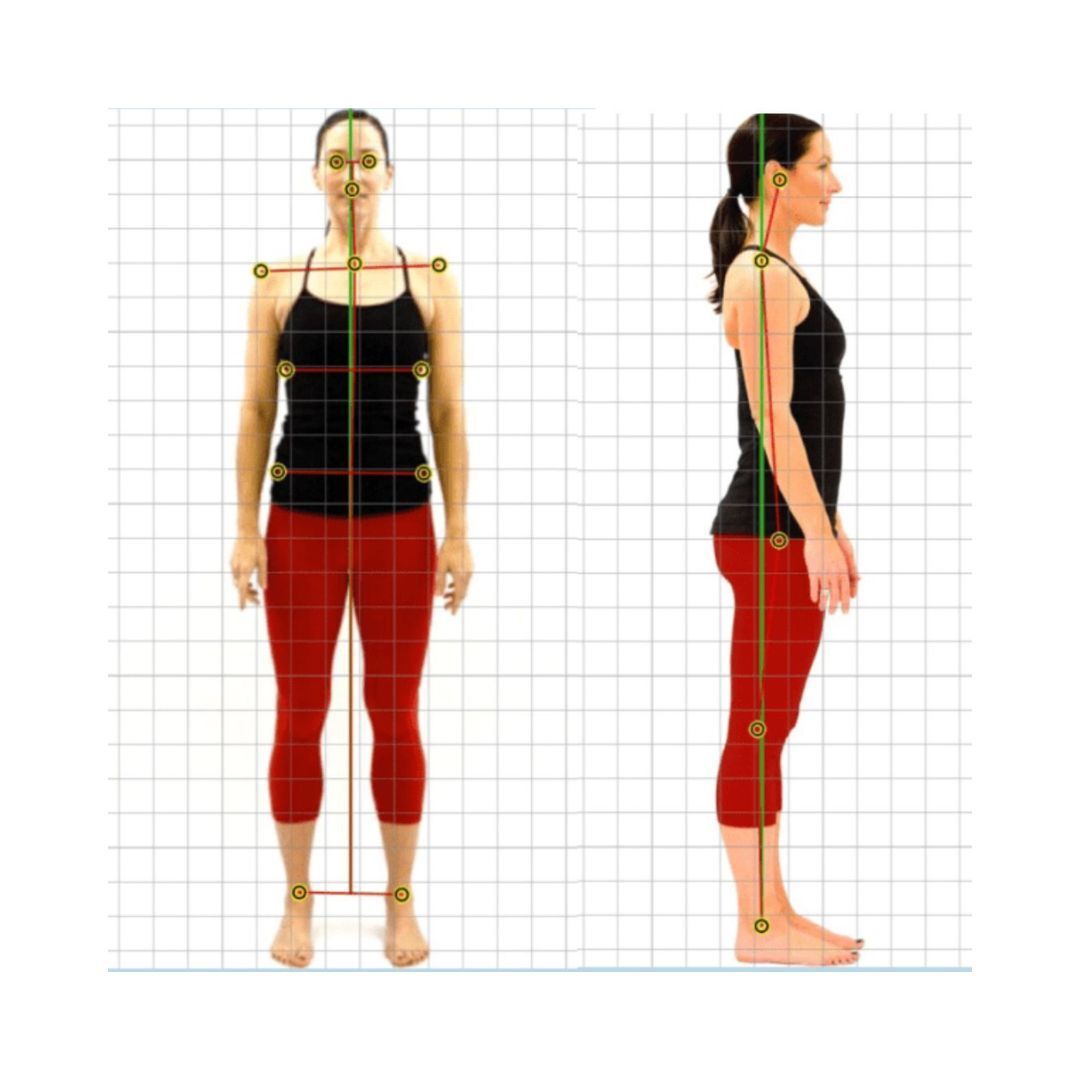
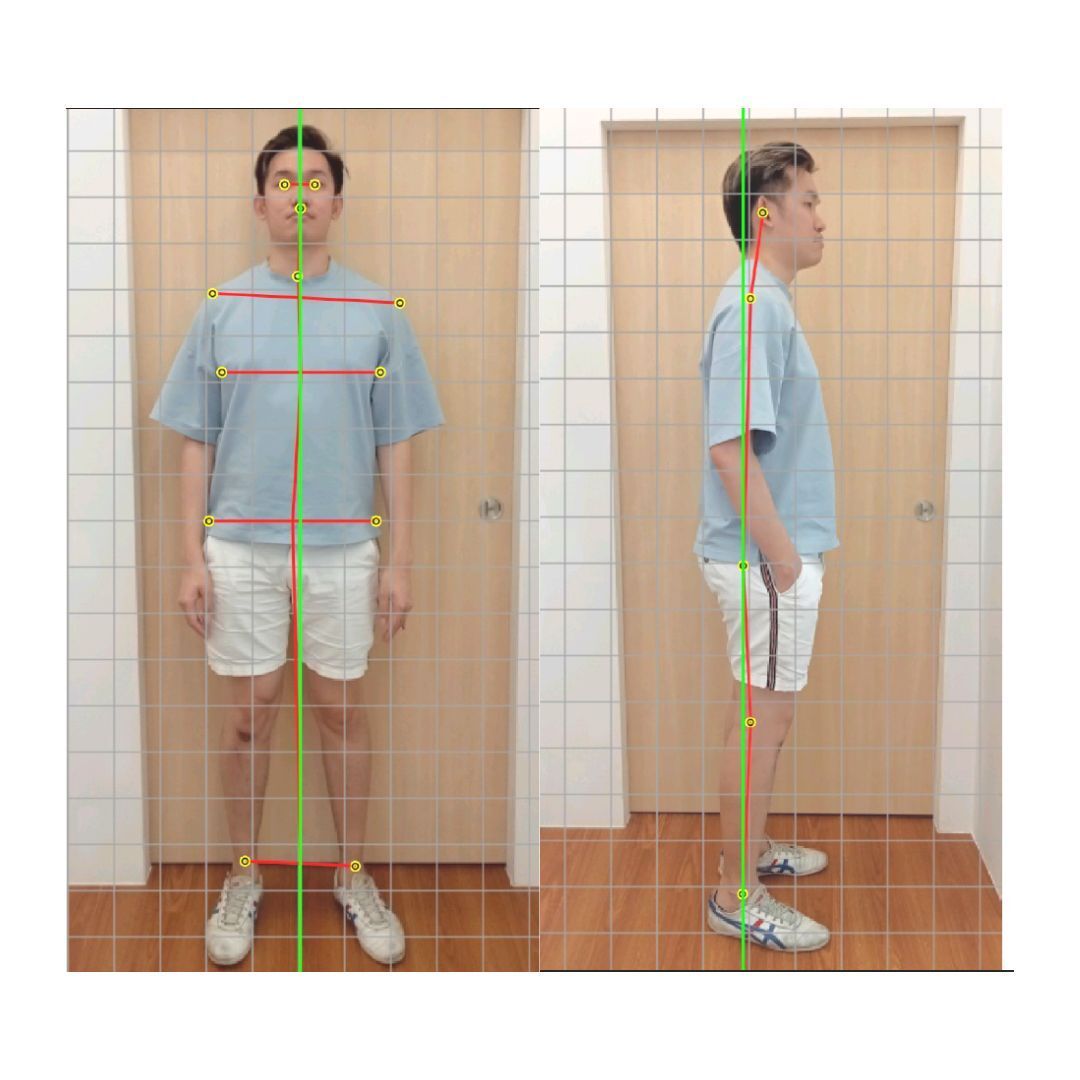
Posture can be one contributing factor, but discomfort does not automatically mean your spine is misaligned. Staying in one position for extended periods, repetitive movements and insufficient movement throughout the day can also contribute.
At One Spine, chiropractic care can include assessing your posture and movement patterns to identify areas that may benefit from changes or additional support.
We recommend workstation adjustments, movement breaks, targeted exercises and suitable treatment based on your symptoms and examination findings.
Small practical changes can make a difference. Adjusting your screen height, changing position periodically and incorporating movement into your workday can help you manage discomfort.
If your symptoms persist despite these changes, a professional assessment can help determine whether additional care may be beneficial.
7. Frequent Headaches Accompanied by Neck Tension
Headaches can affect concentration, productivity, sleep and your ability to enjoy everyday activities. If your headaches frequently occur alongside neck discomfort or stiffness, it may be worth discussing both concerns with a healthcare professional.
Some headaches are associated with the neck, including cervicogenic headaches. However, headaches have multiple possible causes, and neck tension alone does not establish the diagnosis.
For appropriately assessed patients whose headaches are related to the neck, treatment may involve exercises, manual therapy and other conservative approaches. Some people may benefit from chiropractic care as part of their management plan.
A proper assessment is important because not every headache is related to a musculoskeletal problem. Frequent or worsening headaches should be evaluated to establish the likely cause and appropriate treatment.
Seek emergency medical attention for a sudden, extremely severe headache or a headache accompanied by symptoms such as new weakness, confusion, speech difficulties or other significant neurological changes.
If neck discomfort and headaches repeatedly occur together, discussing your symptoms with a suitable healthcare professional can help you identify the next steps.
8. Recurring Muscle Aches After Everyday Activities
Muscle aches can develop after exercise, repetitive tasks, prolonged sitting or activities that place unfamiliar demands on your body.
For instance, you may experience soreness after returning to the gym, lifting heavy objects at work or spending a weekend doing household repairs.
While occasional soreness can be part of normal recovery after physical activity, recurring discomfort that repeatedly limits movement deserves attention.
A chiropractor can assess your symptoms, movement patterns and relevant joint and muscle function to help identify possible contributing factors. Depending on the findings, recommendations may include mobility exercises, progressive strengthening, activity modification and suitable manual techniques.
Chiropractic care may form part of a broader approach to managing selected musculoskeletal problems and restoring comfortable movement.
If muscle pain is severe, unexplained or accompanied by fever, significant swelling or other unusual symptoms, obtain medical assessment rather than assuming it is caused by muscular tension.
9. Concerns About Spinal Curvature or Scoliosis
Scoliosis involves a sideways curvature of the spine. Some people notice uneven shoulders, an asymmetrical waistline or one side of the back appearing more prominent.
These physical signs do not necessarily confirm scoliosis, so proper assessment is important.
A chiropractor may help assess movement and associated musculoskeletal discomfort, but identifying and managing scoliosis may also require medical evaluation and appropriate monitoring. Chiropractic treatment should not be presented as a proven way to reverse the spinal curvature itself.
The most suitable approach depends on factors such as age, symptoms, the degree of curvature and whether the condition is progressing.
If you notice changes in your spinal shape, persistent back discomfort or increasing asymmetry, seek an appropriate assessment to understand your options.
10. Pain Is Interfering With Your Everyday Life
Perhaps the clearest sign that you should seek help is when pain starts controlling what you can and cannot do.
You may avoid exercising because your back hurts, struggle to sit through meetings, find it difficult to sleep comfortably or feel less confident performing everyday movements.
These limitations can affect your quality of life even when the underlying problem is not a serious medical condition.
A chiropractic assessment can help identify possible musculoskeletal contributors and establish practical goals based on your symptoms and lifestyle.
Your care plan may involve chiropractic adjustments, mobility work, corrective exercises and advice on maintaining comfortable movement between appointments.
The goal is to help you work towards better physical function and return to appropriate activities with greater confidence. Progress depends on the underlying condition, your individual response to care and other factors that affect recovery.
Rather than repeatedly ignoring the discomfort or relying only on temporary measures, consider getting your symptoms assessed so that you can make informed decisions about your care.
Require advice for a healthy life
Are you seeking advice on how to lead a more active and healthy life? A visit to a good chiropractic clinic in Singapore might be just what you need. Chiropractic care is known for its potential to positively impact mental health by helping to balance hormones and neurotransmitters. Additionally, it may stimulate the production of endorphins, potentially leading to an improved mood, as well as reduced pain and stress.
Are you struggling with any of the signs mentioned above? If so, do not prolong your suffering.
Reach out to One Spine Chiropractic Singapore’s experienced and dedicated team of chiropractors in Singapore and begin your treatment today.
Book An Appointment Now
Ready to Prioritise Your Wellbeing?
Book Your Chiropractic Appointment Today and Take Control of Your Health Journey!
Don't Ignore the Signs – Act Now for a Pain-Free and Active Life!