The Best Mattress for Back Pain Relief and Restful Nights

Are you one of the millions who struggle with back pain, longing for a restful night's sleep? You're not alone. Back pain can disrupt our lives, affecting everything from our daily activities to our overall well-being. If so, we have some valuable information for you.


As a chiropractor, we understand the crucial role that sleep plays in spinal health and overall well-being. Yet, with the myriad of mattress options available, navigating the landscape can be overwhelming.


In this brief guide, we'll explore the intersection of back pain, sleeping position, and mattress selection, offering insights to help you find the ideal mattress tailored to your needs. Let's embark on this journey toward a restful, pain-free slumber.

Understanding+Back+Pain+and+its+Impact+on+Sleep

Understanding Back Pain and its Impact on Sleep Quality

Back pain can make it tough to sleep well. Knowing why it happens and the effect it has on our health helps us see why picking the right mattress is so important.


Causes of back pain

Causes of back pain can vary, ranging from muscular tightness or ligamentous strains to misalignment or degeneration of the vertebrae in the spine. Additionally, factors such as improper lifting techniques, prolonged periods of sitting, or using a mattress that doesn't adequately support the spine can contribute to back discomfort.


Our backs are vital for almost every aspect of daily life, emphasising the importance of maintaining spinal health for overall well-being. Considering factors like sleeping position, mattress quality, and pillow support becomes crucial in preventing or alleviating back pain and ensuring a restful night's sleep.


Effects on sleep quality

Having back pain can make it tough to get a good night's sleep. Our bodies try to heal and refresh while we're asleep, but if your mattress doesn't give you the right support, this process gets harder.


A bad mattress might let our spine stay in awkward positions for too long. This can lead to muscle tension and worsen our pain.

We all need deep sleep so we feel rested when we wake up. If a mattress is too soft or too firm, it can press on sensitive spots like our shoulders or cause rotation in our spine or pelvis. This pressure stops us from moving freely in our sleep and reaching the restful stages of sleep that allow our body to properly rest and recover.


Choosing a supportive mattress is vital for quality rest and reducing discomfort at night.

Bedok Chiropractor

The Chiropractic Approach to Treating Lower Back Pain and its Role in Sleep

At our chiropractic clinic in Singapore, we understand the crucial relationship between a restful night's sleep and effective lower back pain management. Our holistic approach not only includes precise adjustments to alleviate discomfort but also emphasises the importance of adopting a supportive sleeping position and using a mattress that maintains healthy spinal alignment throughout the night.

Benefits of chiropractic care for back pain relief

Back pain can make everyday tasks feel like a challenge and disrupt your sleep. That's where chiropractic care comes in. By making adjustments to your spine, chiropractors can help ease your pain and improve your overall well-being.


While chiropractic adjustments might seem daunting at first, they're safe and gentle. Unlike simply masking the pain, these treatments target the root cause of your back issues.


Additionally, spinal decompression therapy is another valuable tool in our arsenal for combating back pain. This non-invasive treatment gently stretches the spine to relieve pressure on the spinal discs, alleviating pain and promoting healing.


After visiting a chiropractor, many of our patients experience significant improvements. They find that they move more freely and sleep better without the constant ache in their backs. So, if you're tired of living with back pain, consider giving chiropractic care a try.


Importance of a supportive mattress for back pain

A good mattress does wonders for back pain. It helps keep the spine in line while we sleep. If our backs are happy, we can rest well and wake up feeling great. A firm mattress often gives the right balance of support and comfort.


But not all firm mattresses do the trick. We need to find one that fits just right with our bodies. Some people might need a bit more cushioning, like a medium firm feel, especially if they have certain sore spots or curves in their body shape.


Whatever choice we make, it’s about getting that sweet spot where our muscles can relax but our back doesn't sag.


Having the right mattress means less twisting and turning at night too. This is because there's less pressure on places that can cause pain, like hips or shoulders. Every part of the body should be supported without being pushed into an odd angle which could interfere with our spine's neutral alignment.


So let's choose wisely for peaceful nights and happier mornings because a supportive bed is key to easing back pain!

Type+of+Mattress+For+Back+Pain+Relief

Choosing the Best Mattress for Back Pain

In our quest for blissful slumber, selecting the ideal mattress becomes pivotal for alleviating back pain; dive deeper with us to uncover how the right choice can transform your nights and nurture your spine.


Types of mattresses to consider

We know back pain can make nights tough. Choosing the right mattress plays a big role in how you feel every morning.

  • Memory foam mattresses: These cradle your body and relieve pressure points. They're good for keeping your spine straight while you sleep.
  • Latex mattresses: They give firm support and are great for people who move a lot in their sleep. Plus, they often last longer than memory foam ones.
  • Hybrid mattresses: These mix springs with foam layers. You get both support and comfort, which helps spread your weight evenly.
  • Traditional spring mattresses: A firmer option, these can be good if you need sturdy support. But they might not be as good at easing pressure where it hurts.
  • Medium firm mattresses: Often called the best for back pain, they balance softness and support to help keep your back happy.


Pros and cons of memory foam, latex, and hybrid mattresses

When choosing a mattress for back pain relief, it's critical to consider the unique advantages and drawbacks of memory foam, latex, and hybrid types. We've broken down the essentials in a concise table format to simplify your decision process.

Type Pros Cons
Memory Foam Contours to body shape Reduces pressure points Supports spinal alignment Good motion isolation Can retain heat Initial off-gassing odour May feel too soft for some Can sag over time
Latex Natural material option Responsive surface feel Durable and long-lasting Antimicrobial properties Typically more expensive Heavier to move Firmer feel may not suit all Less contouring than memory foam
Hybrid Combines foam and coils Balances support and comfort Offers good airflow Edge support for getting in and out of bed Can be pricey May have motion transfer Heavier and more difficult to move Varies greatly in quality and support

Durability and warranty

Knowing your sleep position and body weight is just the start. Now, let's talk about how long a mattress will last and the promise that comes with it. A good mattress should hold up well for several years.


We always say, look for something that can keep its shape and support for at least 7-10 years.


Warranties are important too since they protect you if something goes wrong with your new mattress. Many have warranties lasting 10 years or more, but always read them closely! It's smart to choose a mattress that has both strong durability and a solid warranty – this means less worry about having to find a replacement any time soon.

Bedok chiropractor

Chiropractor-Recommended Mattresses for Back Pain Relief

In our pursuit of offering relief for those enduring back pain, we've meticulously selected mattresses that align with chiropractic principles, ensuring your nocturnal haven supports and soothes in equal measure—dive deeper to discover the choices tailored to rejuvenate and realign.


Best mattresses for different body types and sleeping positions

We know choosing the right mattress can make a big difference in your back pain relief. Here's our list of best mattresses that could help you find comfort and support:

Orthopaedic Mattress for Firm Support

  • Good for people with lower back pain.
  • Offers strong spinal support to help keep your back straight.


Memory Foam Mattress for Contouring Comfort

  • Good for side sleepers needing cushion pressure points.
  • Traditional memory foam provides superior motion isolation.


Hybrid Mattress with Pocketed Coils

  • Combines foam layers with pocketed coils for a balance of comfort and support.
  • Works well for hot sleepers and those wanting a mix of softness and firmness.


Latex Mattress for Natural Cooling

  • Good option if you move around a lot in your sleep.
  • Provides good weight distribution while keeping you cool.


Benefits of testing mattresses in-store before buying

Testing mattresses in-store gives you the chance to lie down and feel if the mattress supports your body just right. You can roll around and check how it feels on your back, sides, and stomach.


This way, you make sure it's not too hard or soft for your comfort. It's important because everyone has their own idea of what feels good.


You also see how well the mattress handles movement. If you share a bed, this is key so you don't wake each other up when moving. Plus, lying on a mattress helps you understand if it will ease your back pain by giving enough pressure relief where needed.

Next up is exploring other ways to reduce back pain beyond choosing the perfect mattress.


Conclusion

In conclusion, finding the right mattress is crucial for alleviating back pain and improving sleep quality.


Take your time to explore different options and consider factors like mattress type, firmness, and durability. Remember, a supportive mattress tailored to your needs can make a significant difference in your overall well-being.


Combine this with chiropractic care for comprehensive back pain relief and a pathway to peaceful nights and energized mornings. Don't delay; invest in your sleep health today!

Book An Appointment Now


Ready to say goodbye to sleepless nights?


Book your chiropractor appointment now and start your journey towards back pain relief and better sleep!
BOOK APPOINTMENT

Begin Your Journey: First Consultation at One Spine Chiropractic

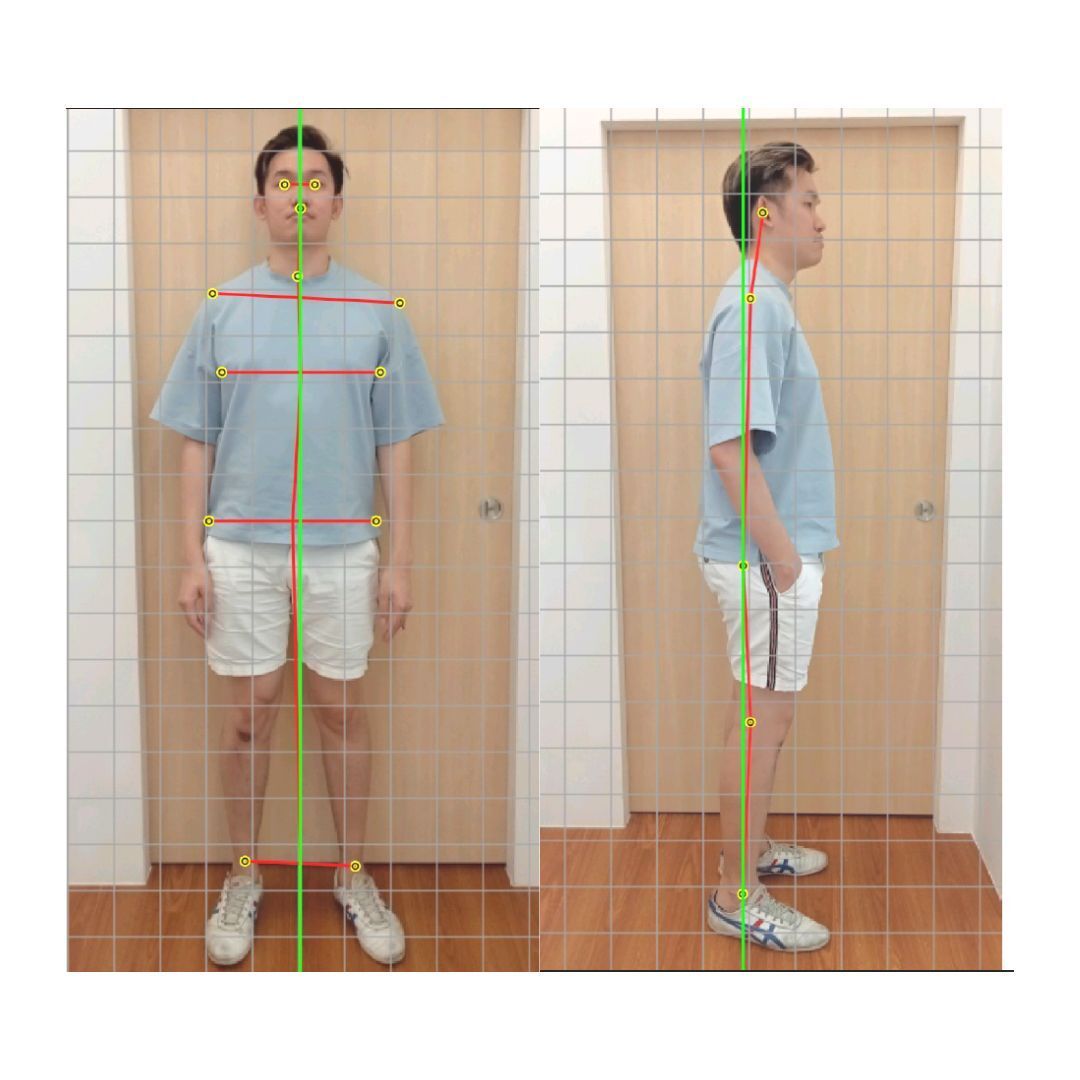
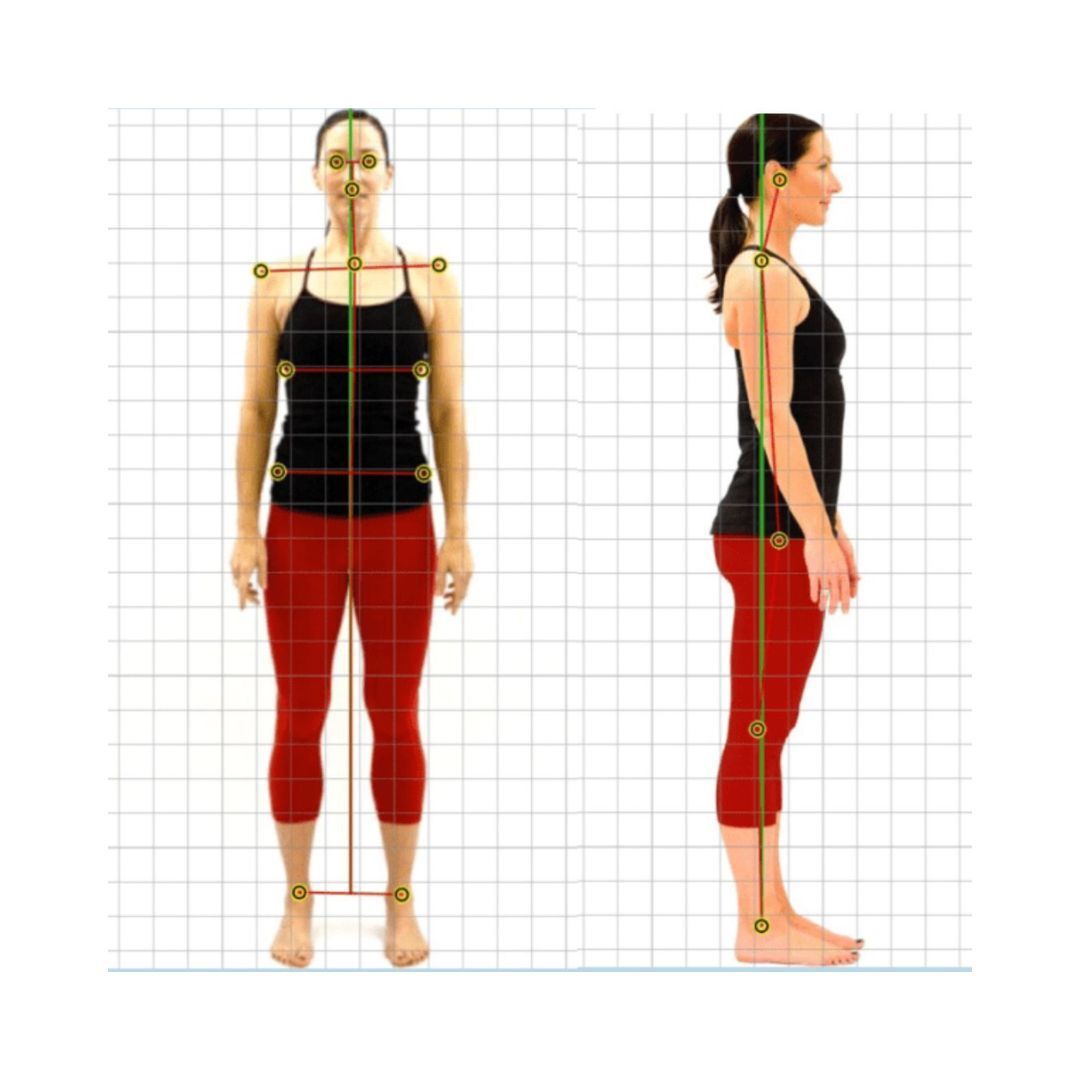
Posture Screening

We measure the angles and linear distances of posture displacements from the head down to the ankles for our chiropractors to identify your overall posture alignment. 

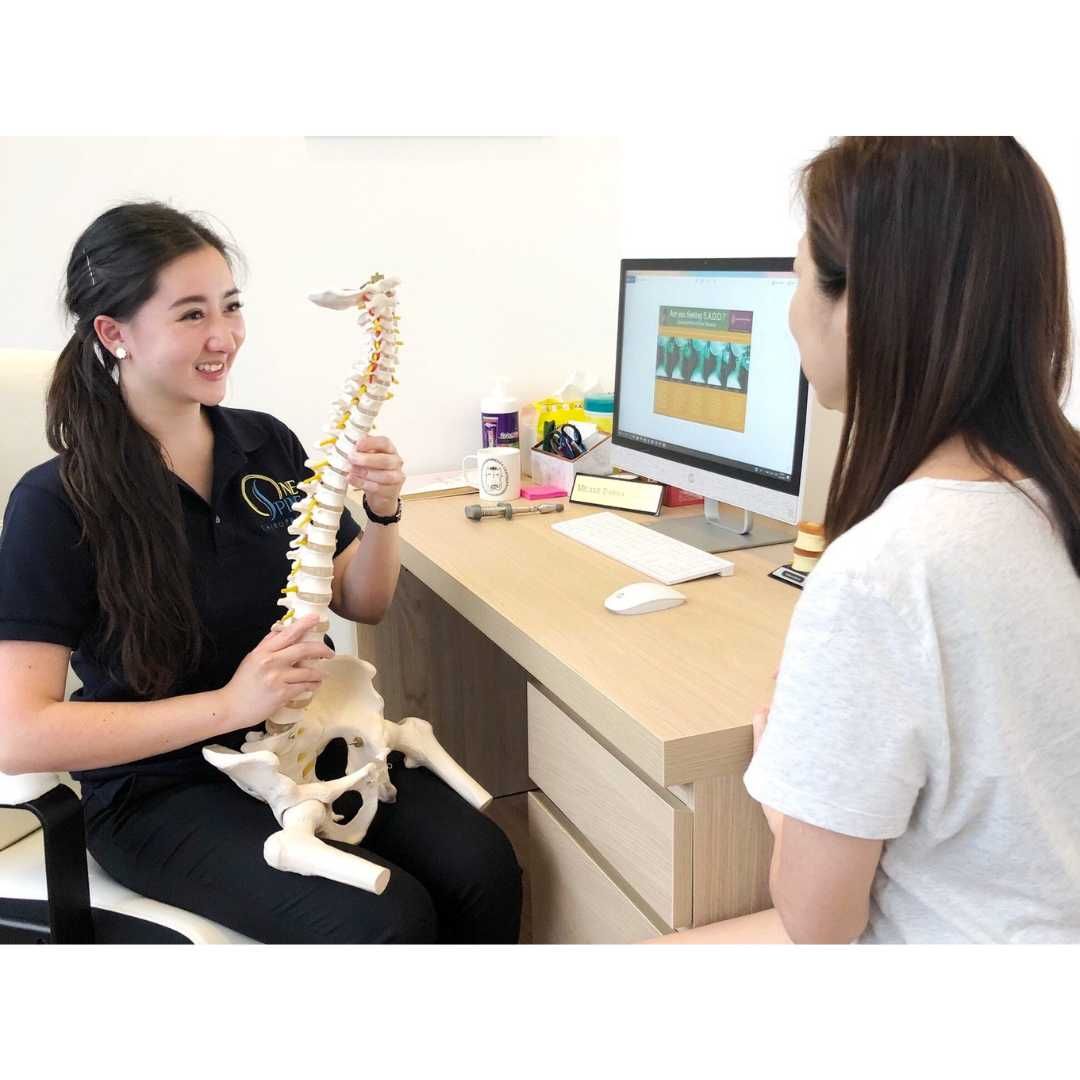
1-on-1 Chiropractor's Consultation

1 on 1 consultation with our chiropractor to perform a comprehensive review of your health history as well as understand your day-to-day lifestyle activities. 

Physical Examination

Our chiropractors will perform physical examinations which usually include different assessments such as comparison of muscle strengths, testing range of motion, testing reflexes, carrying out palpation, and conducting orthopedic and neurological tests based on the complaint.

Chiropractic Treatment

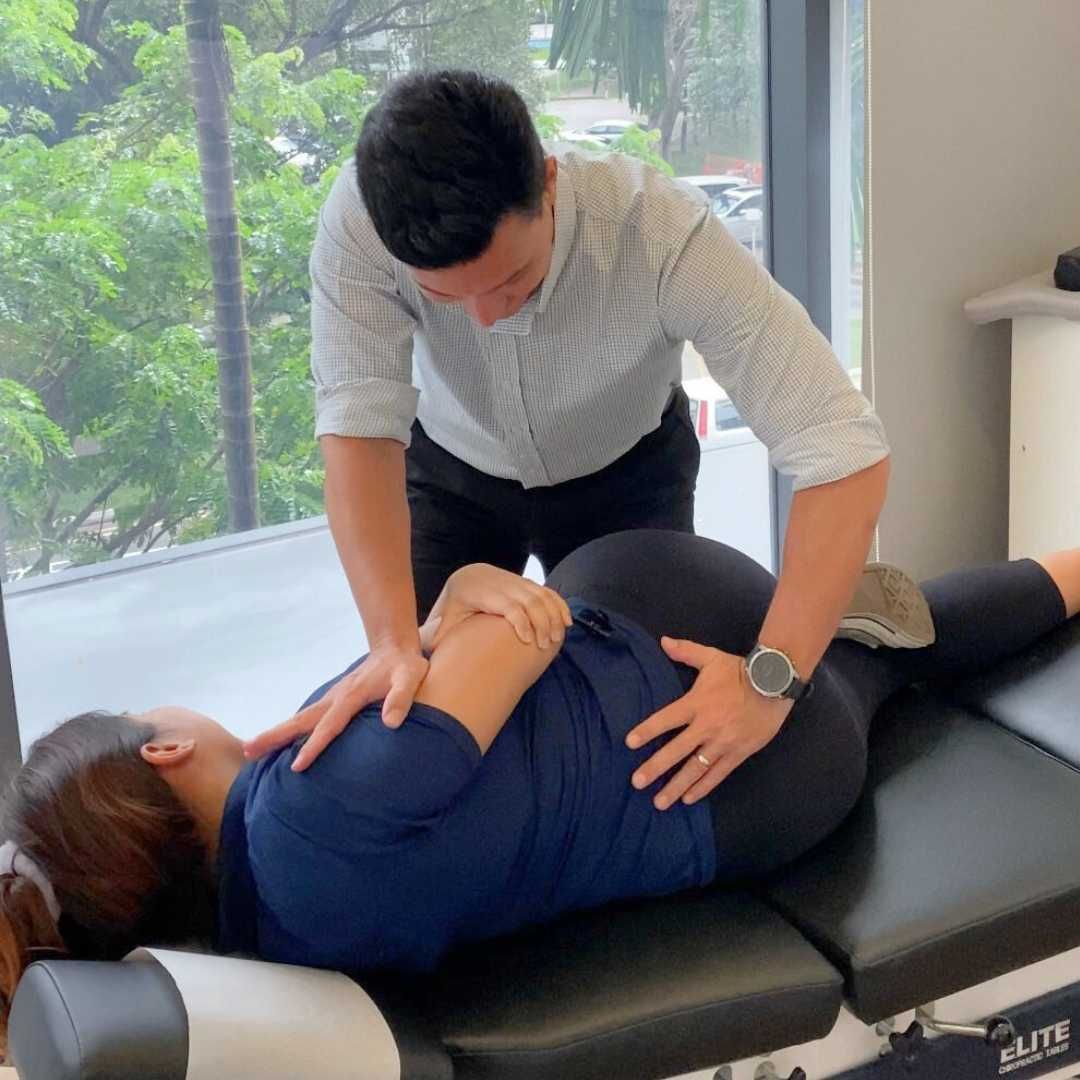
Our chiropractors will use their hands or a small instrument to apply a controlled, sudden force to a spinal joint. The goal of this procedure, also known as spinal manipulation, is to improve spinal motion and improve your body's physical function.

Related Articles

Begin Your Journey: First Consultation at One Spine Chiropractic

Posture Screening

We measure the angles and linear distances of posture displacements from the head all the way down to the ankles for our chiropractors in Clementi to identify your overall posture alignment. 

1-on-1 Doctor Consultation

1 on 1 consultation with our Clementi Chiropractor to perform a comprehensive review of your health history as well as understand your day-to-day lifestyle activities. 

Physical Examination

Our Clementi Chiropractor will perform physical examinations which usually include different assessments such as comparison of muscle strengths, testing range of motion, testing reflexes, carrying out palpation, and conducting orthopedic and neurological tests based on the complaint.

Chiropractic Treatment

Our Clementi Chiropractor will use their hands or a small instrument to apply a controlled, sudden force to a spinal joint. The goal of this procedure, also known as spinal manipulation, is to improve spinal motion and improve your body's physical function.

by Anthony Musung • 16 October 2026
Lower back pain when waking up may result from stiffness, sleep position or an underlying condition. Learn the causes, relief tips and warning signs.
by Anthony Musung • 12 October 2026
Have you ever sat at your desk for several hours and noticed that your lower back starts to ache, feel stiff or uncomfortable? You are not alone. Back discomfort after prolonged sitting is common, particularly among people who spend much of their day working at a computer, studying, driving or watching television. The problem is not always simply that you are "sitting incorrectly." Staying in the same position for too long can place continuous demands on the muscles, joints and other structures involved in supporting your body. Even a relatively comfortable sitting position can become uncomfortable when maintained for hours without enough movement. Understanding why your back hurts after sitting for a long time can help you make practical changes to your daily routine and recognise when it may be worth getting your symptoms assessed. What Happens to Your Back When You Sit for a Long Time? Sitting may seem like a passive activity, but your body is still working to support your head, trunk and pelvis. When you sit for an extended period, some muscles may remain active for a long time while other parts of the body move very little. Your lower back and surrounding muscles may need to maintain your position continuously, especially when you lean forward towards a computer or phone. Over time, remaining in one position can contribute to: Muscle fatigue Stiffness Reduced movement Increased discomfort Tension around the lower back and hips The longer you remain still, the more noticeable these effects may become. This is why your back may feel fine when you first sit down but start hurting after several hours. Is Sitting Bad for Your Back? Sitting itself is not necessarily harmful. The bigger issue for many people is prolonged, uninterrupted sitting . Your body is designed to move. Changing positions, standing, walking and using different muscle groups throughout the day can reduce the amount of time your back spends under the same physical demands. For example, someone may sit for eight hours while working, drive home while sitting for another hour and then spend the evening on the sofa.  Even if each individual sitting position feels comfortable, the total amount of time spent sitting can add up quickly. Instead of trying to find one "perfect" sitting posture that you can maintain all day, it is often more useful to focus on regular movement and changing positions . Why Does My Lower Back Hurt More Than the Upper Back? The lower back is responsible for helping support much of the upper body, which is one reason discomfort after prolonged sitting is often felt around the lower-back region. The position of your pelvis can also influence how your lower back feels. For instance, when you slide forward in your chair and lean backwards, or when you lean forward towards your screen for long periods, your body may adopt a position that feels increasingly uncomfortable over time. Your hips may also remain bent for hours while sitting, which can contribute to stiffness when you finally stand up and move around. This can explain why some people experience a combination of: Lower-back discomfort + hip stiffness + difficulty standing upright after sitting. How Your Sitting Position May Contribute There is no single sitting position that is correct for every person. However, certain habits can make prolonged sitting more uncomfortable. Leaning Forward If your monitor is too far away or too low, you may gradually lean forward to see the screen. You might not notice this at first, but after hours of working, your back and neck can begin to feel tired. Slouching When you slouch, your spine and surrounding muscles may be positioned differently compared with sitting upright. Slouching occasionally is not automatically a problem. The issue is spending a large portion of your day in the same position. Sitting at the Edge of the Chair Some people sit very far forward rather than using the backrest. This can make it harder to maintain a comfortable and supported position for long periods. Crossing Your Legs for Hours Crossing your legs from time to time is generally not unusual, but remaining in a twisted or asymmetrical position for long periods may make some people feel stiff or uncomfortable. The key message is not that one position is always bad. It is that staying in one position for too long can be the bigger issue . Your Desk Setup Can Make a Difference If you work at a desk every day, small changes to your workstation may help make prolonged periods of sitting more comfortable. Your screen should be positioned so that you do not have to constantly bend your neck or lean your upper body forward to view it. Your chair should allow you to sit comfortably with your feet supported and your body reasonably close to your desk. Your keyboard and mouse should also be positioned so that you do not have to repeatedly reach forward. However, even an excellent workstation does not eliminate the need to move. A well-designed chair can make sitting more comfortable, but it does not turn eight hours of uninterrupted sitting into eight hours of healthy movement. Take Regular Movement Breaks One of the simplest things you can do is avoid sitting continuously for long periods. You do not necessarily need a complicated exercise programme every time you leave your chair. You can simply: Stand up Walk around the office Get a drink of water Stretch gently Change your sitting position Walk during a phone call Take the stairs when practical These small movements break up long periods of inactivity. For people working at a computer, setting a reminder to stand or move periodically can make this easier to remember. Why Does My Back Hurt When I Stand Up After Sitting? Some people notice that their back feels particularly stiff when they first stand. This can happen because your body has remained in a relatively fixed position for an extended period. Once you stand, the muscles and joints have to transition into a different position and begin moving again. You may notice: Stiffness in the lower back Tightness around the hips Difficulty standing completely upright immediately A few uncomfortable steps before things loosen up If the stiffness disappears quickly after moving around, it may simply be associated with prolonged inactivity. However, recurring or worsening symptoms should not automatically be dismissed as "just sitting." What Can You Do at Home? If prolonged sitting is making your back uncomfortable, start with simple changes. 1. Change Position Regularly Avoid staying in exactly the same position for hours at a time. 2. Walk More During the Day Short walks can help break up long periods of sitting. 3. Check Your Workstation Look at your chair, desk, monitor, keyboard and mouse placement. 4. Avoid Working From the Same Position All Day A combination of sitting, standing and walking can be more practical than trying to maintain one posture continuously. 5. Pay Attention to Your Symptoms Notice when your discomfort appears. Does it happen after 30 minutes, two hours or only at the end of the workday? Does standing make it better? Does walking help? Does the pain occur every day? These details can be useful when discussing your symptoms with a healthcare professional. When Should You Get Your Back Pain Checked? Not every episode of back discomfort means there is a serious problem. However, persistent or recurring symptoms deserve attention, particularly when they begin affecting your normal activities. Consider getting your symptoms professionally assessed if your back pain: Keeps coming back Does not improve with reasonable changes to your routine Interferes with work, exercise or sleep Is becoming more severe Started after an injury Is accompanied by numbness, tingling or weakness Seek urgent medical attention for severe or unusual symptoms such as significant weakness, loss of bladder or bowel control, numbness around the groin or symptoms associated with serious injury or illness. A professional assessment can help determine whether your symptoms may be related to mechanical, muscular, joint or other factors and whether further medical evaluation is appropriate. Sitting Less Does Not Mean You Have to Stop Working at a Desk For many people, sitting is unavoidable. Office workers need to use computers, students need to study, and drivers need to spend time behind the wheel. The goal is therefore not necessarily to eliminate sitting completely. Instead, think about creating more movement throughout your day . Rather than sitting continuously for several hours and only moving when work ends, build small periods of movement into your routine. Stand while taking a phone call. Walk to speak to a colleague instead of sending a message when practical. Take a short walk during a break. Change your position regularly. These habits may seem insignificant, but they can make your day less physically repetitive. Why Does My Back Keep Hurting Even After I Change My Chair? A new chair may help, but it may not address every factor contributing to your symptoms. Your daily routine, physical activity, movement patterns, previous injuries, sleep habits and the amount of time you spend sitting can all be relevant. This is why changing one piece of equipment does not necessarily solve recurring back discomfort. If the problem continues despite changes to your workstation and routine, a proper assessment can provide a more personalised understanding of what may be contributing to your symptoms. Final Thoughts Back pain after sitting for a long time can be frustrating, especially when your work or lifestyle requires many hours at a desk. In many cases, the issue is not simply whether you are sitting "right" or "wrong." Prolonged, uninterrupted sitting can leave the body in a relatively fixed position for too long, contributing to stiffness, muscle fatigue and discomfort. Start with practical changes: move regularly, vary your positions, review your workstation and pay attention to when your symptoms occur. When back discomfort becomes persistent, recurring or disruptive to your daily life, it is worth having the problem assessed rather than repeatedly working around it. Looking for Professional Help for Back Pain in Singapore? At One Spine , we provide chiropractic care for people dealing with back, neck and other musculoskeletal concerns. We take the time to understand your symptoms, lifestyle and physical condition before recommending an appropriate approach to care. If your back regularly hurts after long periods of sitting, One Spine can assess your condition and help you better understand what may be contributing to your discomfort. Contact One Spine to arrange a consultation at one of our Singapore clinics.
Pregnancy Back Pain
by Anthony Musung • 3 July 2026
Learn why pregnancy back pain is so common, its causes, symptoms and safe treatment options. Discover how chiropractic care may help relieve discomfort.
by Anthony Musung • 26 June 2026
Children and adults experience scoliosis differently. Learn the signs, causes, progression, and how One Spine Chiropractic Singapore supports spinal health.
More posts