Daily Habits That Are Quietly Ruining Your Posture

Many people mistakenly believe that poor posture stems from a single, obvious bad habit, such as constantly hunching over a smartphone. However, the reality is often far more deceiving. It's a cumulative effect of many small, seemingly insignificant daily actions.


These subtle habits (from how we sit at our desks to the way we stand in line, carry our bags, or even sleep), can gradually pull our bodies out of proper alignment. While you might not notice the impact now, you may up end up experiencing persistent shoulder tightness, a nagging lower back ache upon waking, or a friend pointing out your forward head posture in the near future.


This blog post will delve into these everyday habits that (silently) sabotage your posture and explore effective strategies, including chiropractic care, to reverse negaitve effects and restore your spinal health.


1. Tech Neck: How Your Phone Harms Your Spine

In our increasingly digital world, tech neck has become a common issue. This common habit involves bending your head forward, craning your neck to look down at your device. What many don't realize is the immense strain on your neck muscles. For every inch your head moves forward, the weight on your cervical spine significantly increases. A 60-degree angle is equivalent to carrying a 25kg load on your head for extended periods.


Long-term consequences of tech neck include:

  • Overworked and tight neck muscles: Leading to chronic pain and stiffness.
  • Rounded upper back: Contributing to a hunched appearance.
  • Visible reverse cervical curve: Also known as tech neck or text neck, which is a noticeable curvature at the base of the neck.


Three corrective measures to fix your tech neck:

  • Elevate your device: Hold your phone at eye level to maintain a neutral head position. Jeep elbow tucked into your side and bent so that you don't strain your back and shoulder muscles.
  • Regular breaks and stretches: Incorporate short breaks to roll your shoulders and gently tuck your chin towards your neck to reset spinal alignment.
  • Utilize voice commands and stands: Minimize time spent in a forward-bent position by using voice assistants or phone stands.


2. The Desk Chair Dilemma: Preventing the Office Slouch

The desk chair slouch is also a huge factor behind poor posture and a common source of lower back pain. Spending hours looking at your laptop screen not only pulls your head forward, but also rounds your shoulders and leaves your lower back unsupported.


What happens when you slouch:

  • Tightened chest muscles: Pectoral muscles shorten and tighten, pulling your shoulders forward.
  • Weakened upper back muscles: The muscles responsible for maintaining an upright posture become elongated and weak.
  • Spinal adaptation: Your spine gradually adapts to this curved shape, making it increasingly difficult to return to a natural alignment.


Strategies to fix desk slouching:

  • Chair adjustment: Position your chair so your hips are slightly higher than your knees, promoting a natural lumbar curve. Or, get an ergonomic chair.
  • Monitor placement: Ensure your computer monitor is level with your eyes, preventing forward head posture.
  • Proper seating: Sit at the back of your chair and tuck in tightly so your spine is supported by your chair, and keep your feet flat on the floor.
  • Lumbar support: Consider using a lumbar pillow to maintain the natural curve of your lower back. This will reduce strain and promote better spinal alignment.


3. The Uneven Burden: Impact of a Single-Strap Bag

Carrying a handbag, sling bag, or tote bag on the same shoulder everyday might seem harmless, but it can force one side of your body to work overtime. This uneven weight distribution causes your spine to tilt in an attempt to balance the load, leading to one shoulder higher than the other. Over time, your muscles adapt to this constant, uneven strain.


Long-term effects:

  • Chronic muscle pain: Particularly in the shoulder, neck, and upper back.
  • Uneven hips: Constant tilting can lead to pelvic misalignment.
  • Lower back pain: A direct consequence of spinal and pelvic imbalances.
  • Tension headaches: Resulting from sustained muscle tension in the neck and shoulders.


Solutions for an even weight distribution:

  • Switch sides regularly: Alternate the shoulder you carry your bag on to distribute the weight evenly.
  • Lighten your load: Review the contents of your bag and remove unnecessary items every now and then.
  • Invest in a good backpack: If you frequently carry heavy items, go with a backpack that has padded shoulders as it can distribute weight across both shoulders, promoting better postural alignment.


4. A Night’s Sleep: How Sleeping Positions Affect Your Spine

While you might think of sleep as a passive state, the position you maintain for six to eight hours each night significantly impacts your spinal health. Certain sleeping postures can inadvertently twist your spine and strain your muscles. For instance, sleeping on your stomach forces your neck into an unnatural 90-degree twist.


Signs your sleeping position is affecting your spine:

  • Stiff neck: Waking up with limited neck mobility.
  • Sore shoulders: Persistent discomfort in the shoulder region.
  • Achy lower back: Even after a full night's sleep, experiencing pain in the lumbar area.


Optimizing your sleep posture for spinal health:

  • Side sleepers: Place a pillow between your knees to maintain hip alignment and prevent spinal rotation.
  • Back sleepers: Position a pillow under your knees to alleviate pressure on your lower back and support its natural curve.
  • Avoid stomach sleeping: If you find it difficult to break this habit, try propping a pillow under one side of your torso to gradually wean yourself off it. This helps reduce extreme neck rotation and lumbar flattening.


5. The Hip Hunch: Dangers of Standing on One Hip

It's a common, almost unconscious habit to shift your weight onto one leg while waiting for an elevator or chatting with a friend. This seemingly innocent posture, however, can cause significant long-term consequences for your spinal alignment and overall musculoskeletal health. When you always stand on one hip, you shorten the muscles on one side of your body while overstretching those on the other, potentially leading to a pelvic tilt over time.


The hidden costs of standing on one hip:

  • Chronic lower back pain: Uneven hips create imbalances that can strain the lumbar spine.
  • Uneven knee wear: The altered weight distribution can lead to premature wear and tear on your knee joints.
  • Altered gait: In severe cases, it can even result in a noticeable limp.


Correcting your one-hip stance:

  • Balanced weight distribution: Stand with both feet evenly on the ground, distributing your weight equally.
  • Soft knees: Avoid locking your knees, as this can put undue stress on your joints.
  • Conscious shifting: If you must stand for extended periods, consciously shift your weight from side to side rather than leaning onto one hip.


6. The Sedentary Trap: Why Movement is Crucial for Posture

Even if you possess what appears to be perfect posture, prolonged periods of immobility can still undermine your spinal health. Our bodies are inherently designed to move: joints rely on regular activity to receive essential nutrients, and muscles become stiff and weak without consistent engagement. A sedentary lifestyle is akin to leaving a car unused for months where components eventually begin to malfunction.


A sedentary lifestyle can cause:

  • Joint stiffness: Lack of movement restricts joint mobility and nutrient flow.
  • Muscle weakness and atrophy: Muscles, particularly those supporting the spine, lose strength and elasticity.
  • Increased risk of pain: Prolonged static positions contribute to back pain, neck pain, and overall discomfort.


Breaking free from the sedentary trap:

  • Move regularly: Aim to get up and move around every 30–60 minutes, even if it's just for a few minutes.
  • Daily stretches: Stretch your body (such as chest, hips, and back) to counteract stiffness and improve flexibility.
  • Dynamic workstations: If possible, utilize a sit-stand desk or actively change your position throughout the day.


Why Optimal Posture is Crucial for Your Health and Well-Being

Poor posture extends far beyond merely looking slouched. It has profound implications on your overall health and quality of life. Over time, the cumulative effects of bad posture can lead to serious, physical issues such as:

  • Chronic Pain: Significantly increases your risk of developing persistent back pain, neck pain, and shoulder pain.
  • Reduced lung capacity: A hunched posture compresses your diaphragm and lungs, making it harder to take deep, full breaths and potentially impacting oxygen intake.
  • Digestive issues: Compression of abdominal organs due to poor posture interferes with digestive processes.
  • Energy drain: Your muscles have to work harder to simply hold you upright against gravity, leading to increased fatigue and reduced energy levels.
  • Headaches and migraines: Muscle tension in the neck and shoulders, often a result of poor posture, can trigger or exacerbate headaches and migraines.


Advantages to One Spine Chiropractic Care: Resetting a Better Posture

If these habits have been ingrained for years, your body may have adapted to these misalignments, making it challenging to correct posture solely through stretching or conscious effort.


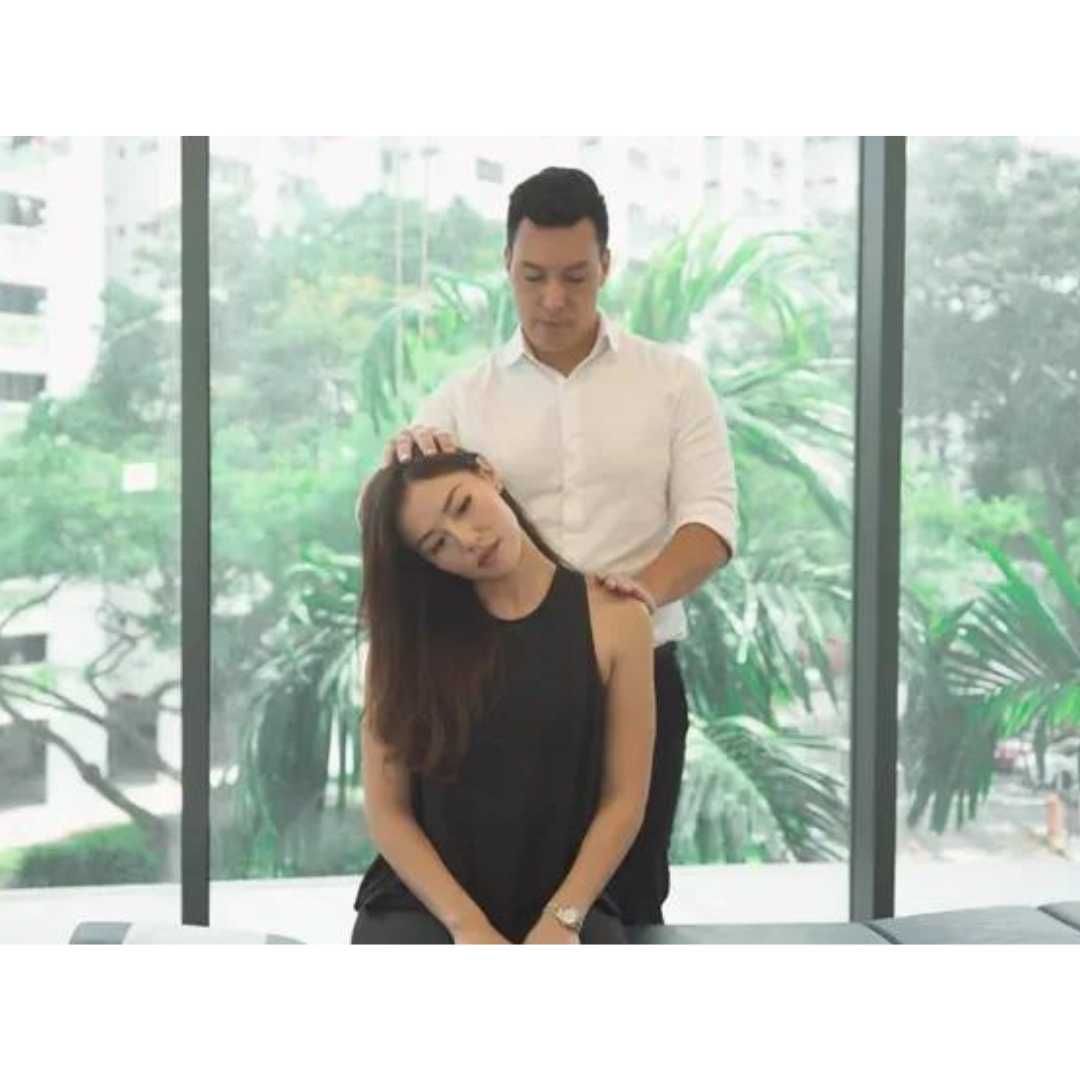
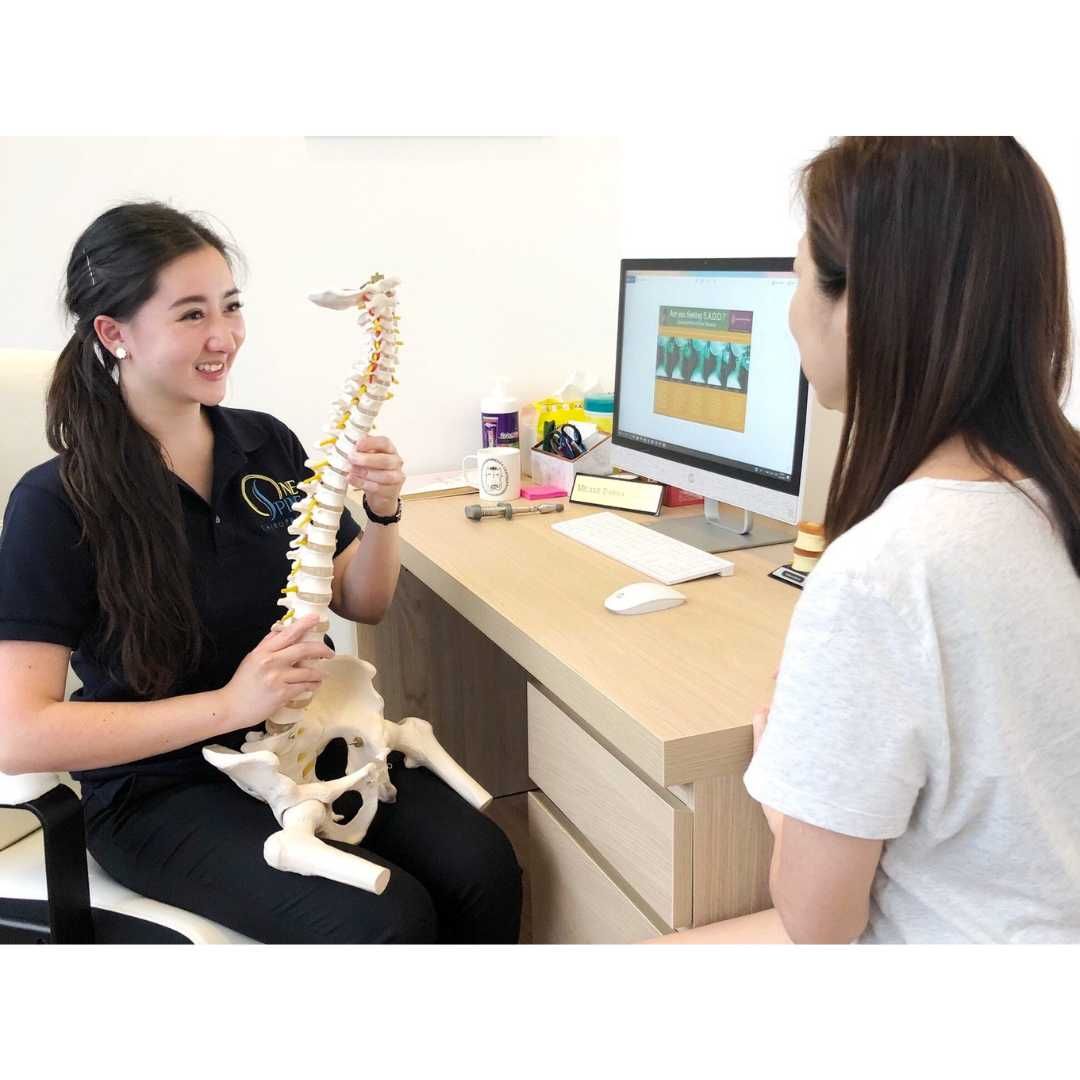
This is where chiropractic care offers a unique and effective solution. Our chiropractors at One Spine Chiropractic (Singapore) focus on the intricate relationship between your spine and nervous system, understanding that proper spinal alignment is fundamental to overall health and optimal posture.


Through targeted adjustments and holistic approaches, chiropractic care at our clinic can:

  • Correct spinal misalignment. Our One Spine chiropractors will identify and gently correct spinal alignment. By restoring proper alignment, your body can naturally reset its posture and function more efficiently.
  • Relieve muscle tension and joint stress. Adjustments help to alleviate tension in overworked muscles and reduce stress on joints that have been compensating for poor posture. This can provide immediate relief from back pain, neck pain, and shoulder pain.
  • Personalize your posture strengthening plans. Beyond adjustments, chiropractors often provide tailored exercise and stretching programs designed to strengthen the muscles that support good posture, helping you maintain the benefits of your adjustments long-term.
  • Provide a holistic approach to wellness. We view the body as an interconnected system. By addressing the root cause of postural issues, it can promote overall wellness, improved nerve function, and enhanced bodily communication.


Take the First Step Towards Better Posture and a Pain-Free Life

Bad posture isn't caused by a single factor. It's a gradual accumulation of small, unnoticed daily habits. The good news is that good posture is also built in the same way, through conscious awareness and simple, consistent adjustments. By understanding how your daily routine might impact your spinal health and taking proactive steps to correct them, you can protect your spine, which will significantly improve your comfort and ensure you move well for the years to come.


If you've been struggling with posture-related aches, persistent back pain, neck pain, or simply want to improve your overall spinal alignment, we are here to help. Our chiropractors at One Spine Chiropractic (Singapore) offer comprehensive posture assessments designed to identify the root cause of your discomfort and develop a personalized plan to help you regain your posture and feel your best.


Contact us today to schedule your assessment and embark on your journey to optimal spinal health and a pain-free future: https://www.onespine.sg/contact-us
Begin Your Journey: First Consultation at One Spine Chiropractic

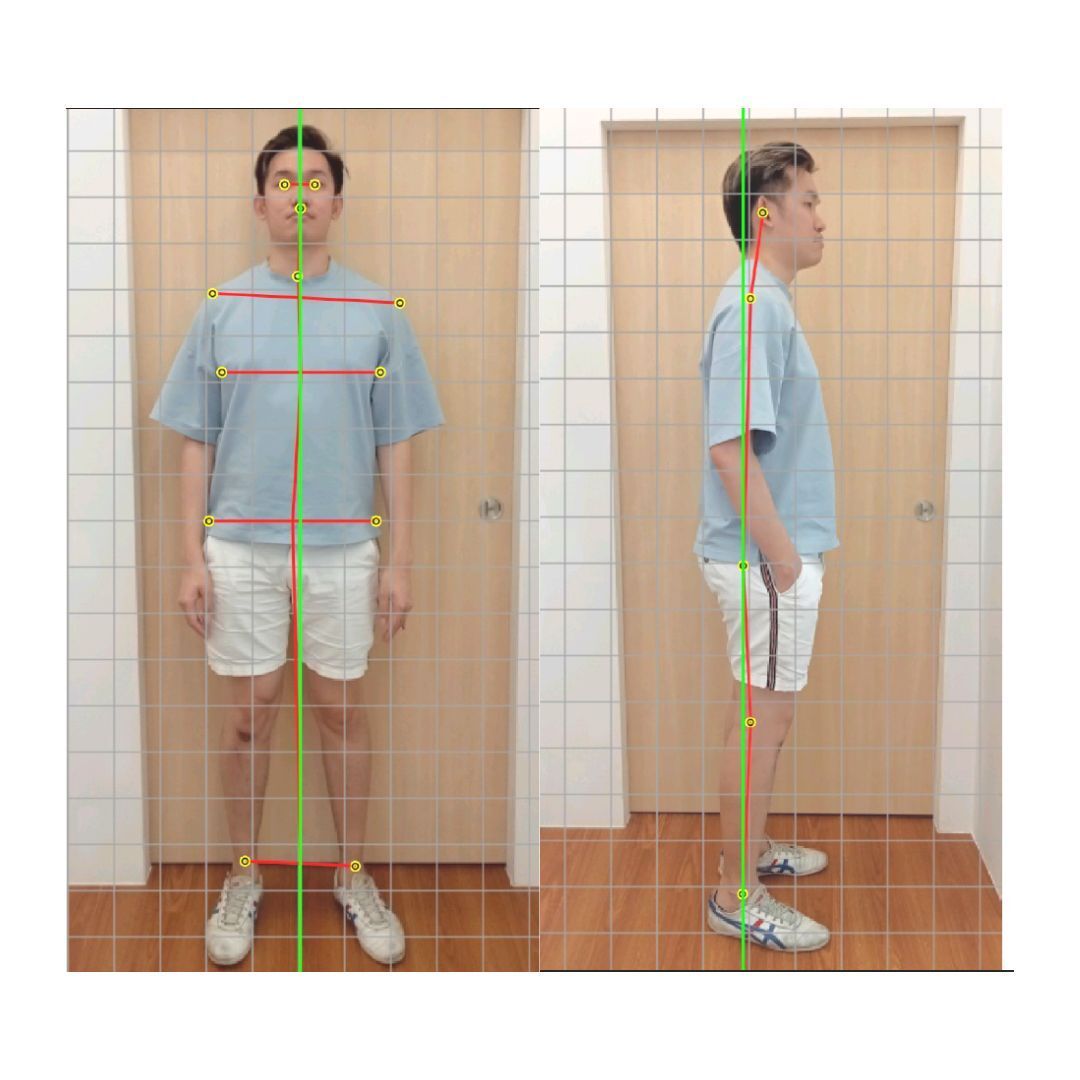
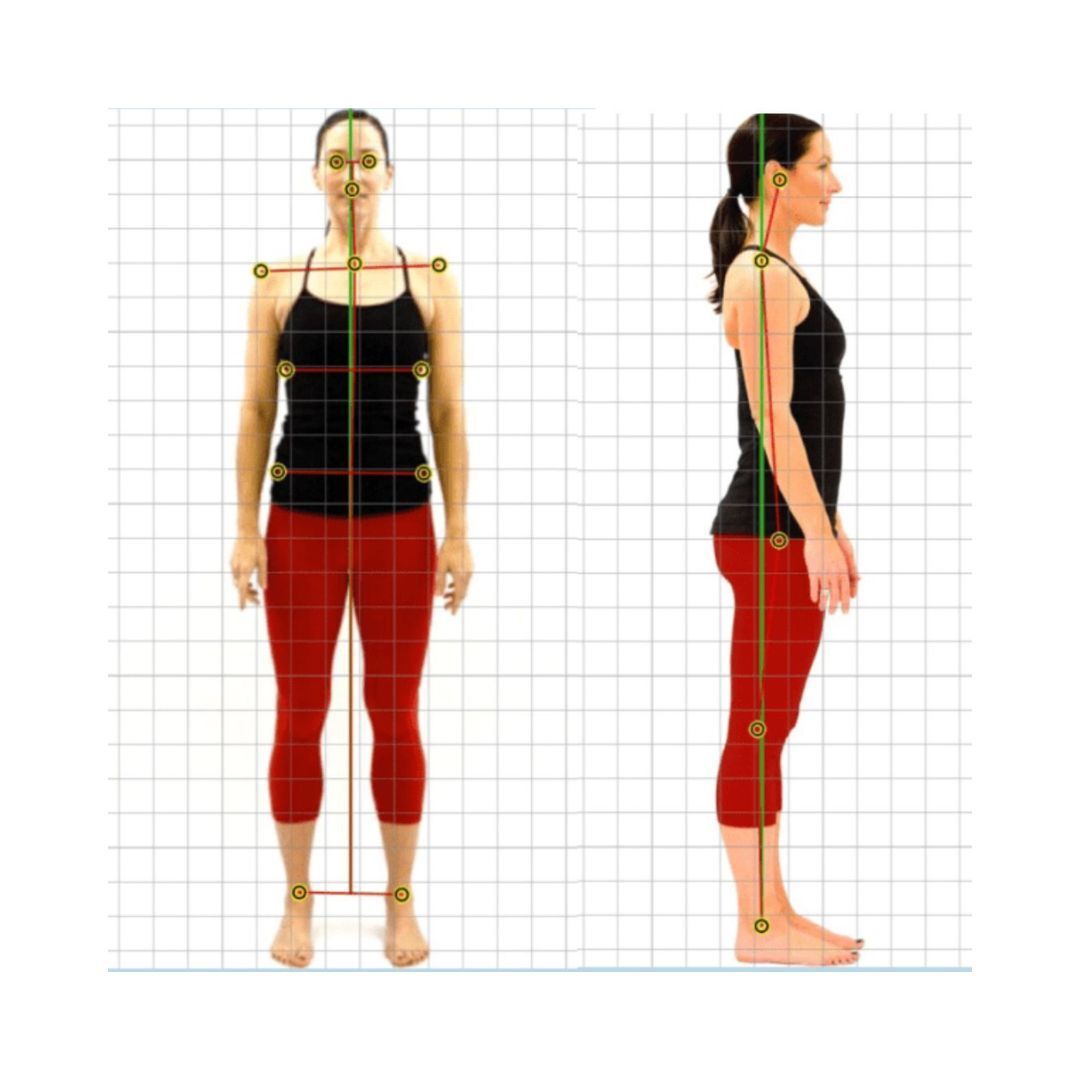
Posture Screening

We measure the angles and linear distances of posture displacements from the head down to the ankles for our chiropractors to identify your overall posture alignment. 

1-on-1 Chiropractor's Consultation

1 on 1 consultation with our chiropractor to perform a comprehensive review of your health history as well as understand your day-to-day lifestyle activities. 

Physical Examination

Our chiropractors will perform physical examinations which usually include different assessments such as comparison of muscle strengths, testing range of motion, testing reflexes, carrying out palpation, and conducting orthopedic and neurological tests based on the complaint.

Chiropractic Treatment

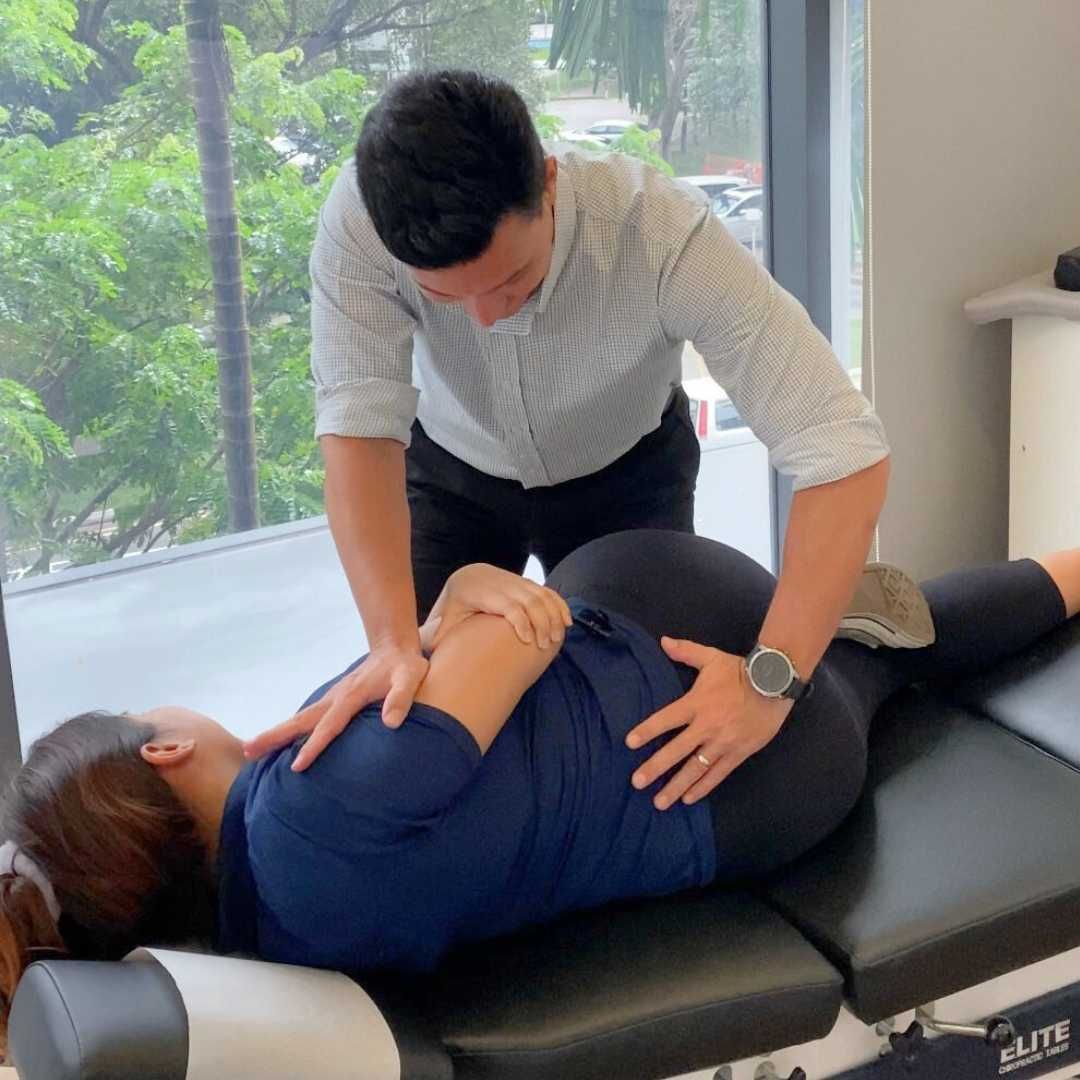
Our chiropractors will use their hands or a small instrument to apply a controlled, sudden force to a spinal joint. The goal of this procedure, also known as spinal manipulation, is to improve spinal motion and improve your body's physical function.

Related Articles

Begin Your Journey: First Consultation at One Spine Chiropractic

Posture Screening

We measure the angles and linear distances of posture displacements from the head all the way down to the ankles for our chiropractors in Clementi to identify your overall posture alignment. 

1-on-1 Doctor Consultation

1 on 1 consultation with our Clementi Chiropractor to perform a comprehensive review of your health history as well as understand your day-to-day lifestyle activities. 

Physical Examination

Our Clementi Chiropractor will perform physical examinations which usually include different assessments such as comparison of muscle strengths, testing range of motion, testing reflexes, carrying out palpation, and conducting orthopedic and neurological tests based on the complaint.

Chiropractic Treatment

Our Clementi Chiropractor will use their hands or a small instrument to apply a controlled, sudden force to a spinal joint. The goal of this procedure, also known as spinal manipulation, is to improve spinal motion and improve your body's physical function.

by Anthony Musung • 16 October 2026
Lower back pain when waking up may result from stiffness, sleep position or an underlying condition. Learn the causes, relief tips and warning signs.
by Anthony Musung • 12 October 2026
Have you ever sat at your desk for several hours and noticed that your lower back starts to ache, feel stiff or uncomfortable? You are not alone. Back discomfort after prolonged sitting is common, particularly among people who spend much of their day working at a computer, studying, driving or watching television. The problem is not always simply that you are "sitting incorrectly." Staying in the same position for too long can place continuous demands on the muscles, joints and other structures involved in supporting your body. Even a relatively comfortable sitting position can become uncomfortable when maintained for hours without enough movement. Understanding why your back hurts after sitting for a long time can help you make practical changes to your daily routine and recognise when it may be worth getting your symptoms assessed. What Happens to Your Back When You Sit for a Long Time? Sitting may seem like a passive activity, but your body is still working to support your head, trunk and pelvis. When you sit for an extended period, some muscles may remain active for a long time while other parts of the body move very little. Your lower back and surrounding muscles may need to maintain your position continuously, especially when you lean forward towards a computer or phone. Over time, remaining in one position can contribute to: Muscle fatigue Stiffness Reduced movement Increased discomfort Tension around the lower back and hips The longer you remain still, the more noticeable these effects may become. This is why your back may feel fine when you first sit down but start hurting after several hours. Is Sitting Bad for Your Back? Sitting itself is not necessarily harmful. The bigger issue for many people is prolonged, uninterrupted sitting . Your body is designed to move. Changing positions, standing, walking and using different muscle groups throughout the day can reduce the amount of time your back spends under the same physical demands. For example, someone may sit for eight hours while working, drive home while sitting for another hour and then spend the evening on the sofa.  Even if each individual sitting position feels comfortable, the total amount of time spent sitting can add up quickly. Instead of trying to find one "perfect" sitting posture that you can maintain all day, it is often more useful to focus on regular movement and changing positions . Why Does My Lower Back Hurt More Than the Upper Back? The lower back is responsible for helping support much of the upper body, which is one reason discomfort after prolonged sitting is often felt around the lower-back region. The position of your pelvis can also influence how your lower back feels. For instance, when you slide forward in your chair and lean backwards, or when you lean forward towards your screen for long periods, your body may adopt a position that feels increasingly uncomfortable over time. Your hips may also remain bent for hours while sitting, which can contribute to stiffness when you finally stand up and move around. This can explain why some people experience a combination of: Lower-back discomfort + hip stiffness + difficulty standing upright after sitting. How Your Sitting Position May Contribute There is no single sitting position that is correct for every person. However, certain habits can make prolonged sitting more uncomfortable. Leaning Forward If your monitor is too far away or too low, you may gradually lean forward to see the screen. You might not notice this at first, but after hours of working, your back and neck can begin to feel tired. Slouching When you slouch, your spine and surrounding muscles may be positioned differently compared with sitting upright. Slouching occasionally is not automatically a problem. The issue is spending a large portion of your day in the same position. Sitting at the Edge of the Chair Some people sit very far forward rather than using the backrest. This can make it harder to maintain a comfortable and supported position for long periods. Crossing Your Legs for Hours Crossing your legs from time to time is generally not unusual, but remaining in a twisted or asymmetrical position for long periods may make some people feel stiff or uncomfortable. The key message is not that one position is always bad. It is that staying in one position for too long can be the bigger issue . Your Desk Setup Can Make a Difference If you work at a desk every day, small changes to your workstation may help make prolonged periods of sitting more comfortable. Your screen should be positioned so that you do not have to constantly bend your neck or lean your upper body forward to view it. Your chair should allow you to sit comfortably with your feet supported and your body reasonably close to your desk. Your keyboard and mouse should also be positioned so that you do not have to repeatedly reach forward. However, even an excellent workstation does not eliminate the need to move. A well-designed chair can make sitting more comfortable, but it does not turn eight hours of uninterrupted sitting into eight hours of healthy movement. Take Regular Movement Breaks One of the simplest things you can do is avoid sitting continuously for long periods. You do not necessarily need a complicated exercise programme every time you leave your chair. You can simply: Stand up Walk around the office Get a drink of water Stretch gently Change your sitting position Walk during a phone call Take the stairs when practical These small movements break up long periods of inactivity. For people working at a computer, setting a reminder to stand or move periodically can make this easier to remember. Why Does My Back Hurt When I Stand Up After Sitting? Some people notice that their back feels particularly stiff when they first stand. This can happen because your body has remained in a relatively fixed position for an extended period. Once you stand, the muscles and joints have to transition into a different position and begin moving again. You may notice: Stiffness in the lower back Tightness around the hips Difficulty standing completely upright immediately A few uncomfortable steps before things loosen up If the stiffness disappears quickly after moving around, it may simply be associated with prolonged inactivity. However, recurring or worsening symptoms should not automatically be dismissed as "just sitting." What Can You Do at Home? If prolonged sitting is making your back uncomfortable, start with simple changes. 1. Change Position Regularly Avoid staying in exactly the same position for hours at a time. 2. Walk More During the Day Short walks can help break up long periods of sitting. 3. Check Your Workstation Look at your chair, desk, monitor, keyboard and mouse placement. 4. Avoid Working From the Same Position All Day A combination of sitting, standing and walking can be more practical than trying to maintain one posture continuously. 5. Pay Attention to Your Symptoms Notice when your discomfort appears. Does it happen after 30 minutes, two hours or only at the end of the workday? Does standing make it better? Does walking help? Does the pain occur every day? These details can be useful when discussing your symptoms with a healthcare professional. When Should You Get Your Back Pain Checked? Not every episode of back discomfort means there is a serious problem. However, persistent or recurring symptoms deserve attention, particularly when they begin affecting your normal activities. Consider getting your symptoms professionally assessed if your back pain: Keeps coming back Does not improve with reasonable changes to your routine Interferes with work, exercise or sleep Is becoming more severe Started after an injury Is accompanied by numbness, tingling or weakness Seek urgent medical attention for severe or unusual symptoms such as significant weakness, loss of bladder or bowel control, numbness around the groin or symptoms associated with serious injury or illness. A professional assessment can help determine whether your symptoms may be related to mechanical, muscular, joint or other factors and whether further medical evaluation is appropriate. Sitting Less Does Not Mean You Have to Stop Working at a Desk For many people, sitting is unavoidable. Office workers need to use computers, students need to study, and drivers need to spend time behind the wheel. The goal is therefore not necessarily to eliminate sitting completely. Instead, think about creating more movement throughout your day . Rather than sitting continuously for several hours and only moving when work ends, build small periods of movement into your routine. Stand while taking a phone call. Walk to speak to a colleague instead of sending a message when practical. Take a short walk during a break. Change your position regularly. These habits may seem insignificant, but they can make your day less physically repetitive. Why Does My Back Keep Hurting Even After I Change My Chair? A new chair may help, but it may not address every factor contributing to your symptoms. Your daily routine, physical activity, movement patterns, previous injuries, sleep habits and the amount of time you spend sitting can all be relevant. This is why changing one piece of equipment does not necessarily solve recurring back discomfort. If the problem continues despite changes to your workstation and routine, a proper assessment can provide a more personalised understanding of what may be contributing to your symptoms. Final Thoughts Back pain after sitting for a long time can be frustrating, especially when your work or lifestyle requires many hours at a desk. In many cases, the issue is not simply whether you are sitting "right" or "wrong." Prolonged, uninterrupted sitting can leave the body in a relatively fixed position for too long, contributing to stiffness, muscle fatigue and discomfort. Start with practical changes: move regularly, vary your positions, review your workstation and pay attention to when your symptoms occur. When back discomfort becomes persistent, recurring or disruptive to your daily life, it is worth having the problem assessed rather than repeatedly working around it. Looking for Professional Help for Back Pain in Singapore? At One Spine , we provide chiropractic care for people dealing with back, neck and other musculoskeletal concerns. We take the time to understand your symptoms, lifestyle and physical condition before recommending an appropriate approach to care. If your back regularly hurts after long periods of sitting, One Spine can assess your condition and help you better understand what may be contributing to your discomfort. Contact One Spine to arrange a consultation at one of our Singapore clinics.
Pregnancy Back Pain
by Anthony Musung • 3 July 2026
Learn why pregnancy back pain is so common, its causes, symptoms and safe treatment options. Discover how chiropractic care may help relieve discomfort.
by Anthony Musung • 26 June 2026
Children and adults experience scoliosis differently. Learn the signs, causes, progression, and how One Spine Chiropractic Singapore supports spinal health.
More posts